01A historian’s method
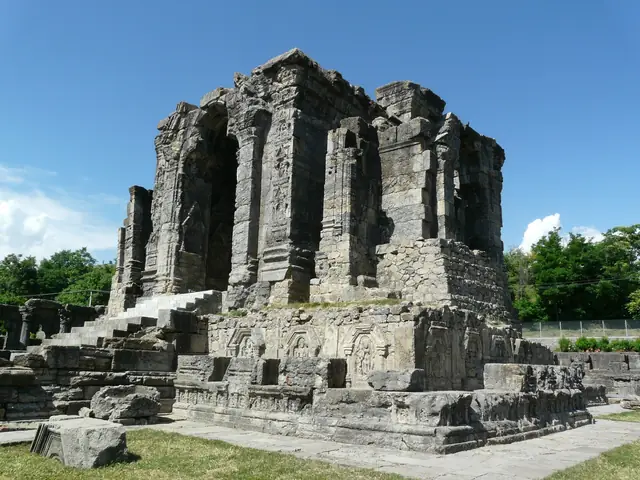
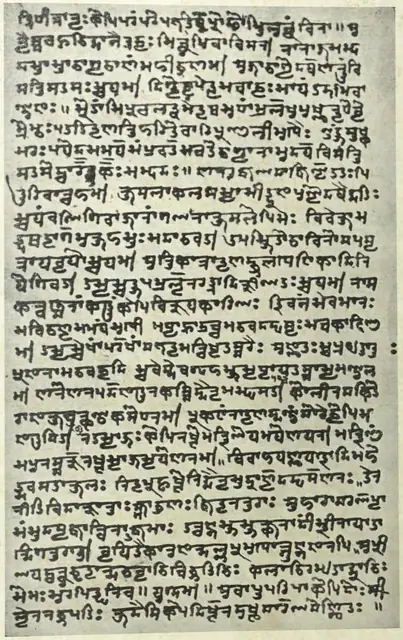
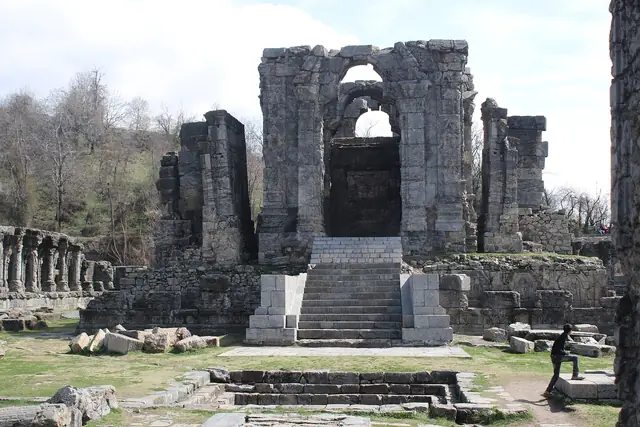
Kalhana tells his readers how he worked. He read eleven earlier chronicles and the Nilamata Purana, studied the inscriptions on temple foundations, the grants of land, the praise-tablets and manuscripts, and set them against one another. He says plainly where his early sources are thin. For the centuries closer to him, the Karkota and Utpala kings, Lalitaditya’s campaigns, the building of Avantipura and Martand, the account grows detailed and dated by the Laukika era. For his own century he writes as a witness, naming the cruelty and the folly of kings, including the master his father served.
02The only true chronicle
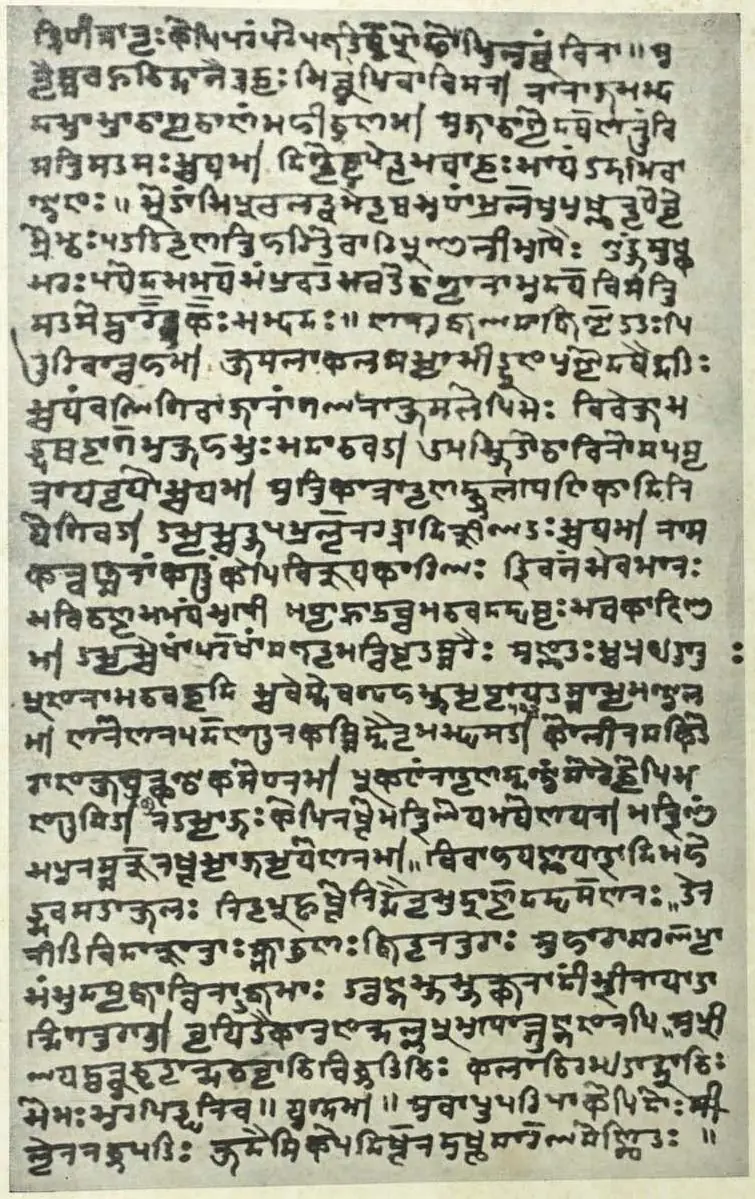
Because it is dated, critical and continuous, the Rajatarangini is the backbone of early Kashmiri history, and historians of all India lean on it. Jonaraja, Shrivara and Prajyabhatta continued it into the Sultanate and Mughal years. Aurel Stein edited the text in 1892 and published his English translation, with maps of the ancient sites, in 1900, after walking much of the valley to identify the places Kalhana names. Kalhana closes the work in the Laukika year 4225, 1149–50 CE.
“That noble-minded poet alone deserves praise whose word, like that of a judge, keeps free from love or hatred in recording the past.”
Rajatarangini 1.7