01The Shahi capital on the Indus
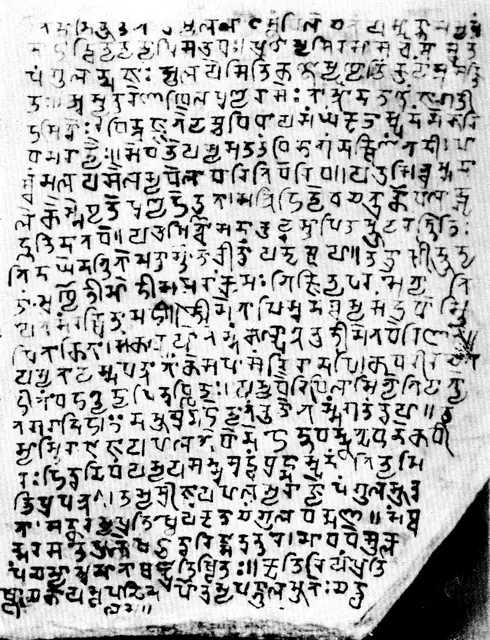
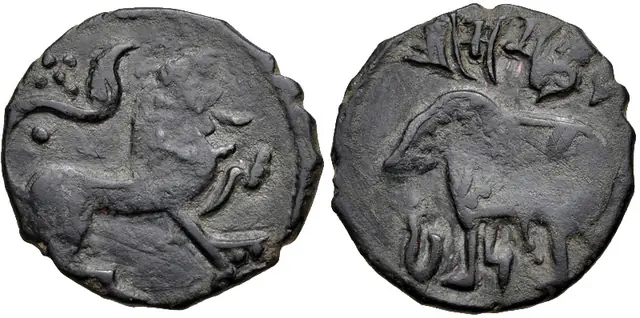
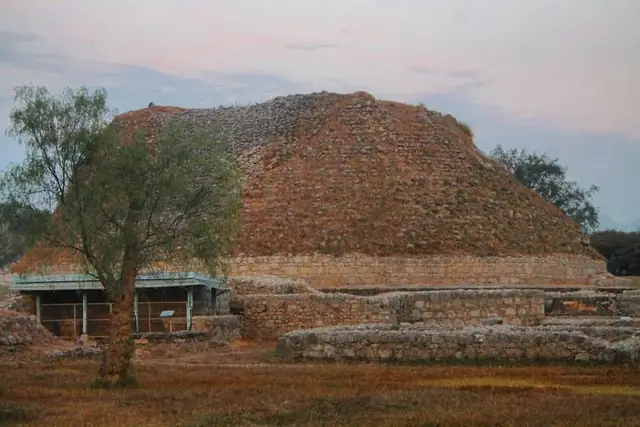
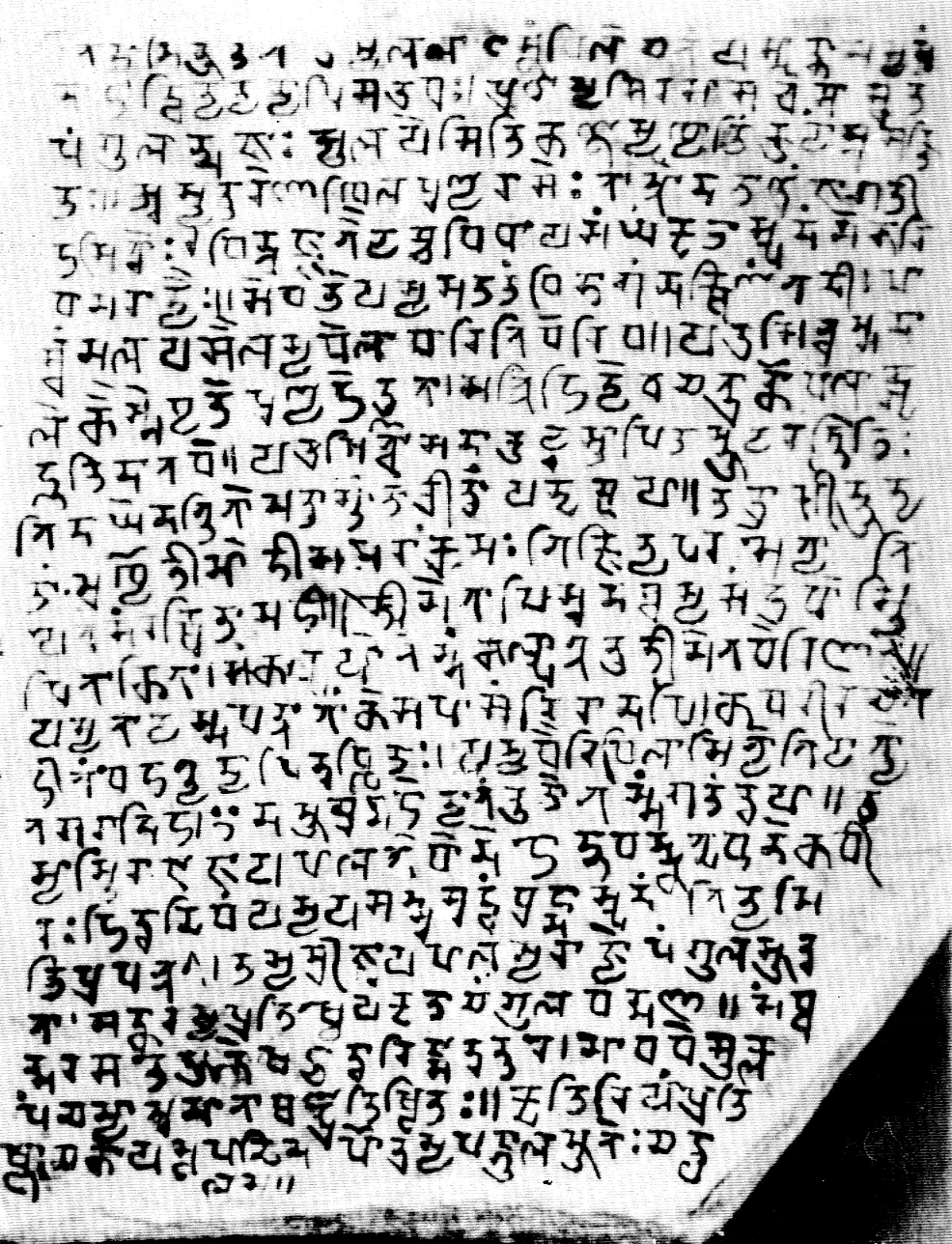
Hund stands where the Indus was crossed by the old road from Kabul and Peshawar into the Punjab, and many historians identify it as the place where Alexander’s army bridged the river in 326 BCE. Xuanzang came through in the 7th century and called it Udakhanda. When the Saffarids took Kabul in the later 9th century, the Shahi kings moved their seat here. Al-Biruni, writing in the 11th century, names Waihind as the capital of Gandhara west of the Indus. An inscription found at Hund names the king Jayapaladeva, and sculptures of Hindu deities of the 6th–7th centuries have come from the site.
021001 and 1008
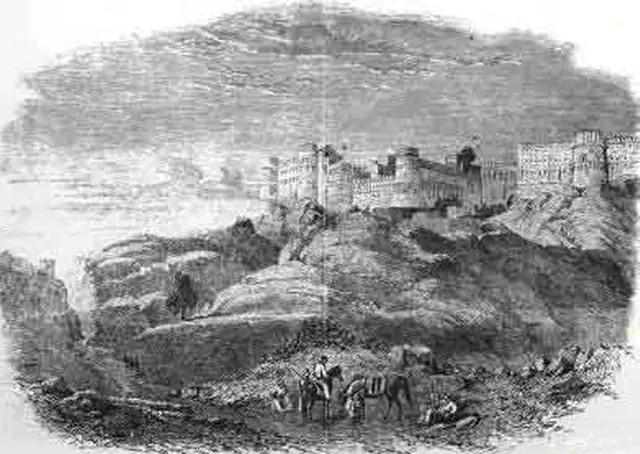
Jayapala fought Sabuktigin and then his son Mahmud for the passes. Captured near Peshawar on 27 November 1001, he was released for a ransom and gave the throne to his son Anandapala. In the winter of 1008 Anandapala gathered a great host on the plain near Waihind, with help from other kings of the north. The battle lasted until his elephant turned and the army broke. Mahmud took Waihind and then went on to plunder Nagarkot in Kangra. The Shahi capital moved east toward the Salt Range, and Hund became a village with its ruins.
The life of this place
- late 9th centuryThe Hindu Shahis moved their capital from Kabul to Udabhandapura.
- 27 November 1001Jayapala was defeated and captured by Mahmud near Peshawar.
- 1008–1009 CEAnandapala’s allied army was defeated near Waihind.