01The Kubha and the Shahis
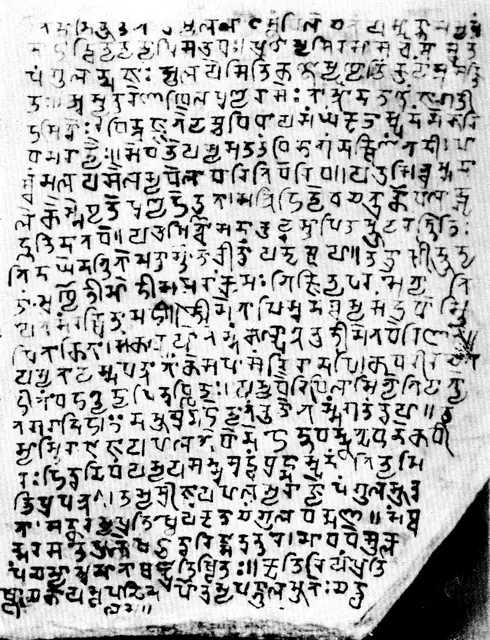
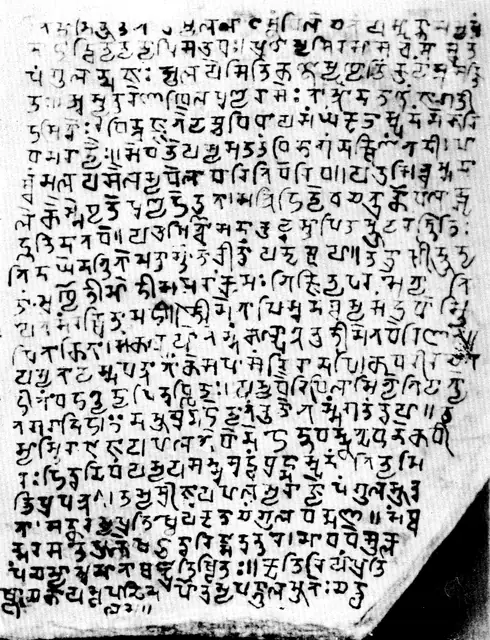
The Nadistuti hymn of the Rigveda names the Kubha among the western rivers that join the Sindhu, and the Kabul river has carried that name since. Gandhara and Kapisa, to the east and north, were lands of the Indian world for a thousand years. Until the ninth century Kabul was held by the Shahis, first the Turk Shahis and then, when their minister Kallar, as al-Biruni calls him, took the throne, the Hindu Shahis. Around 870 Yaqub ibn al-Layth, the Saffarid of Sistan, took Kabul, and the Hindu Shahis moved their capital east to Udabhandapura on the Indus. Their kings, Jayapala and Anandapala among them, fought on from there against Ghazni for over a century.
02Asamai and the last Hindus
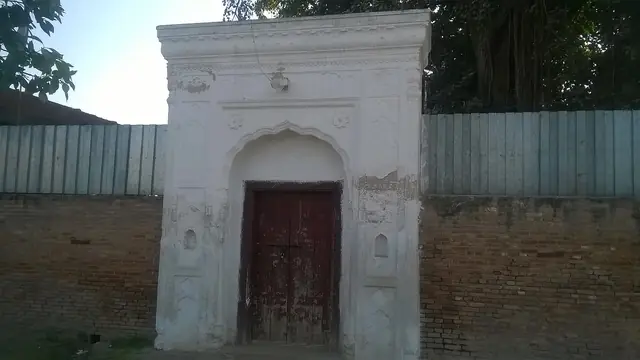
Hindu and Sikh traders, Khatris and Aroras of Punjabi speech, kept their temples and gurdwaras in Kabul through the centuries of Afghan rule. On the hill called Koh-e-Asamai stands the temple of Asha Mata, from which the hill takes its name. After the civil war of the 1990s most of the community left for India and the West. In July 2018 a suicide bomber killed Sikh and Hindu leaders in Jalalabad, and in March 2020 gunmen killed some twenty-five worshippers at the Har Rai Sahib gurdwara in Kabul. On 18 June 2022 the Karte Parwan gurdwara was attacked. India brought out most of those who remained, and by 2023 only a handful of Hindus and Sikhs lived in Kabul.
The life of this place
- c. 870The Saffarid Yaqub ibn al-Layth takes Kabul; the Hindu Shahis move east to Udabhandapura.
- 25 March 2020Gunmen attack the Har Rai Sahib gurdwara in Kabul.
- 18 June 2022The Karte Parwan gurdwara is attacked.