01Schools, Kesari and the festivals
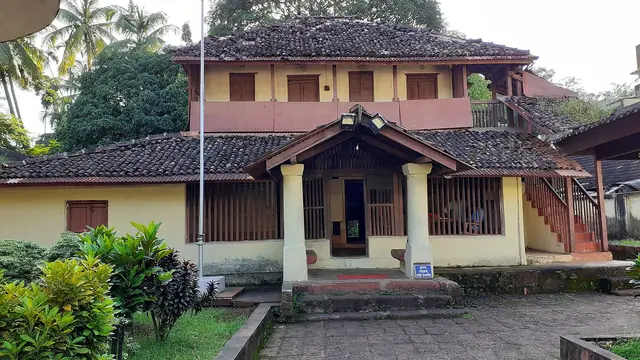
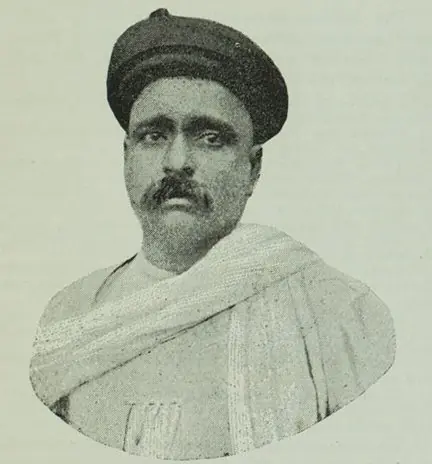
He was born at Ratnagiri, a Chitpavan Brahmin, and studied mathematics at Deccan College, Pune. In 1880 he joined Vishnushastri Chiplunkar and Gopal Ganesh Agarkar in founding the New English School, and in January 1881 they began two weeklies, Kesari in Marathi and Mahratta in English. In 1884 they formed the Deccan Education Society, which opened Fergusson College in 1885. Tilak wanted the common people in public life, and not just the English-educated. In 1893 he helped turn Ganeshotsav into a ten-day public festival with mandaps, melas and lectures, and from 1895 he led the Shivaji festival, with a gathering at Raigad.
02Sedition, Mandalay and the Gita
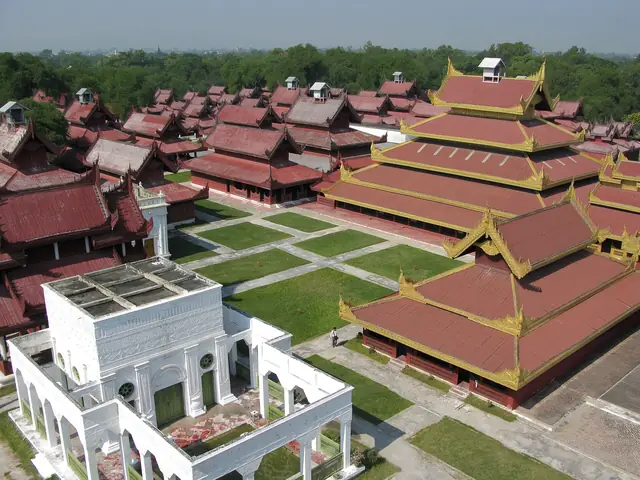
In 1897, after the Rand killing, he was tried for sedition over Kesari articles and served eighteen months. With Lala Lajpat Rai and Bipin Chandra Pal he led the extremist wing of the Congress through the Swadeshi years; Bengal, Punjab and Maharashtra spoke of Lal-Bal-Pal. In 1908 he was sentenced to six years for Kesari articles on the Muzaffarpur bomb and sent to Mandalay in Burma, 1908 to 1914. There he wrote Shrimad Bhagavad Gita Rahasya, published in 1915, which reads the Gita as a call to karma yoga, selfless action in the world. He had already written The Orion (1893) and The Arctic Home in the Vedas (1903), arguing for great antiquity of the Vedic hymns from their astronomy.
03Home Rule and the last day
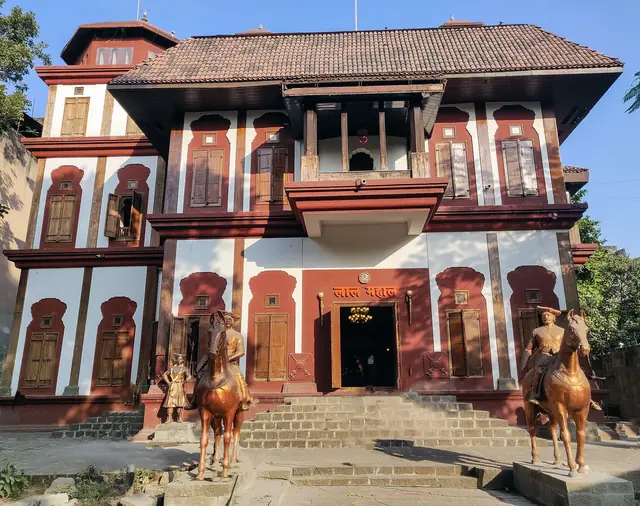
Back from Mandalay, he founded the Indian Home Rule League at Belgaum in April 1916 and worked for the Lucknow Pact between the Congress and the Muslim League that December. His Marathi words, rendered as ‘Swaraj is my birthright and I shall have it’, became the cry of the movement. He went to England in 1918–19 to fight a libel case and to press India’s claim. He died in Bombay on 1 August 1920, the day the Non-Cooperation movement began. Gandhi called him the maker of modern India.
“Swaraj is my birthright and I shall have it.”
Home Rule campaign, 1916 (Marathi original)