01Kalapriya and Vyasa
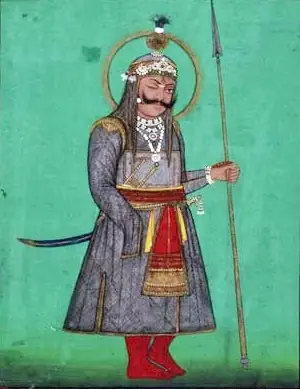
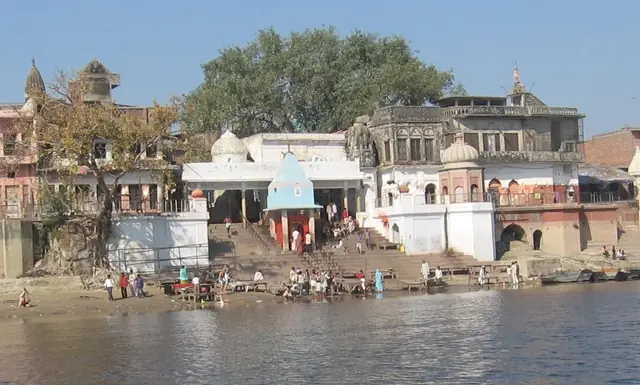
Local tradition holds that Maharshi Vyasa was born to Satyavati on an island of the Yamuna here, and a Vyasa temple was raised in his honour in recent years. In the early centuries Kalapriya was known for its temple of the Sun, Kalapriyanatha. Around 916 the Rashtrakuta king Indra III marched north against the Pratiharas of Kannauj; the Cambay plates of Govinda IV boast that his horses crossed the Yamuna and trampled the courtyard of the Kalapriya temple. Qutbuddin Aibak took Kalpi in 1196, and it became a fort of the Delhi and Jaunpur sultans. Rana Sanga of Mewar, preparing a new war after Khanwa, died at Kalpi on 30 January 1528; tradition says his own nobles poisoned him.
02The stand of May 1858
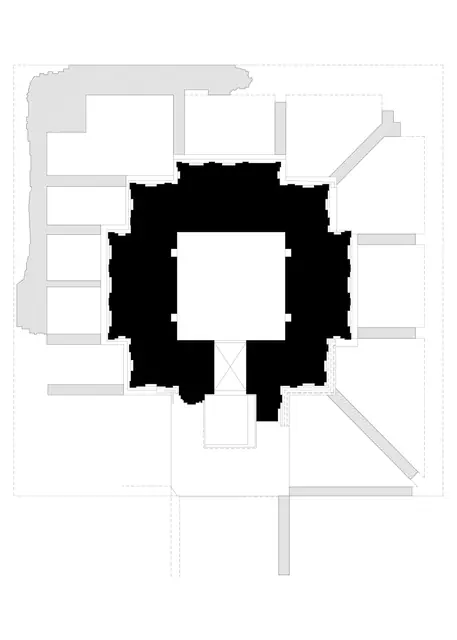
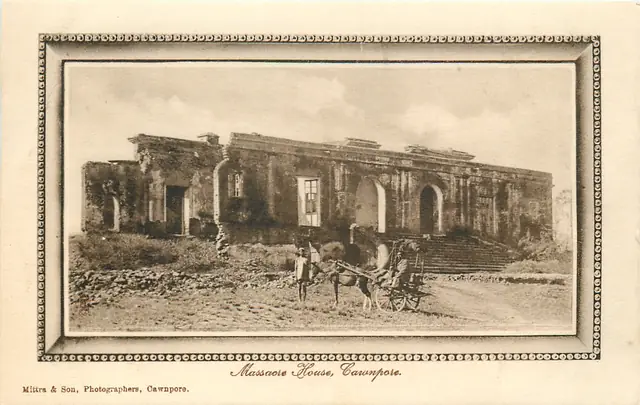
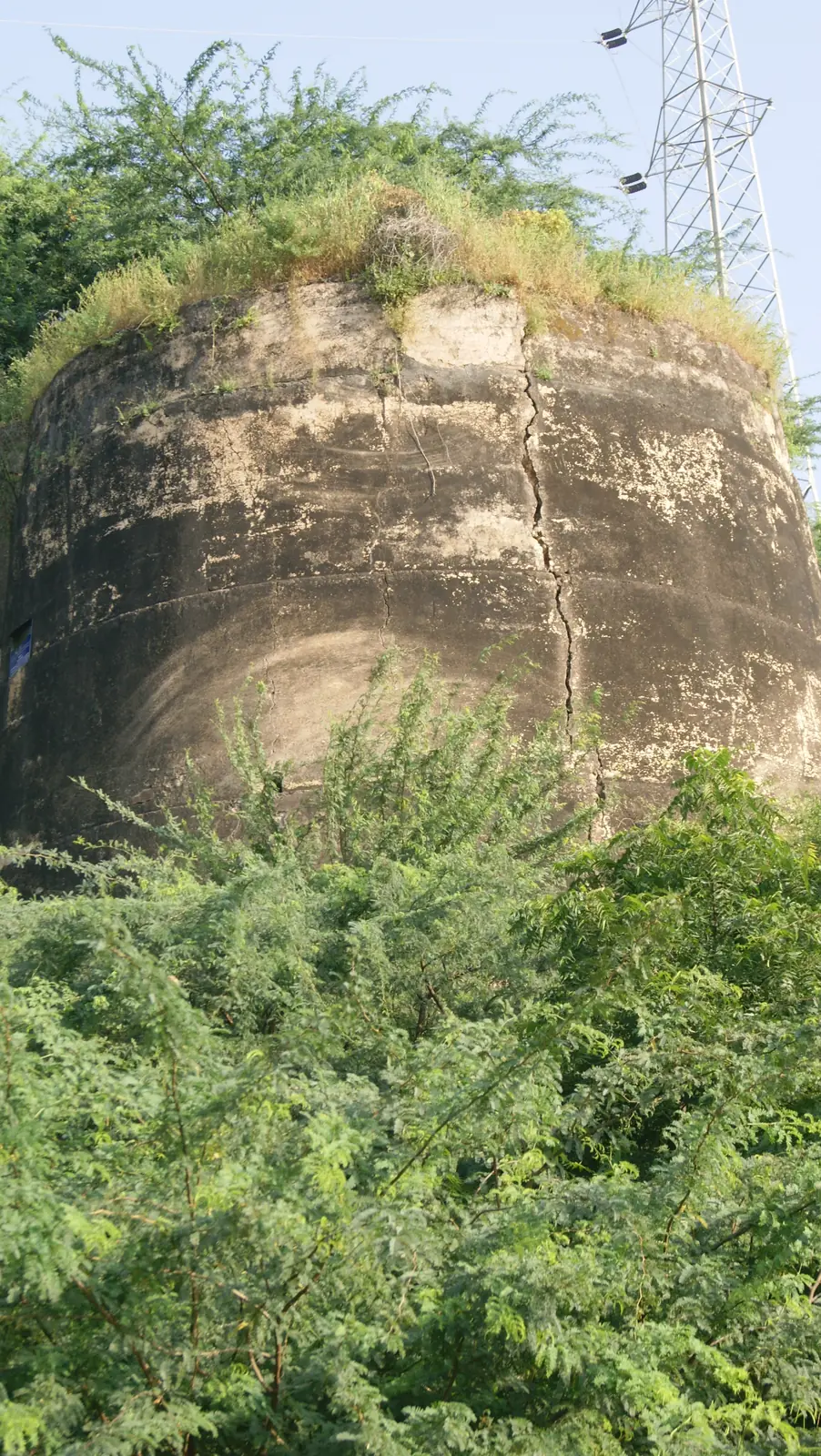
The Marathas held Kalpi from the middle of the eighteenth century, and in 1857 it became the arsenal of the rising in Bundelkhand, held for Nana Saheb by his nephew Rao Saheb and by Tatya Tope. After Jhansi fell, Rani Lakshmibai rode through the night to Kalpi in April 1858. Hugh Rose beat their combined army at Kunch in early May and came on to Kalpi in the heat of May; on 22 May the rebels attacked at Golauli by the Yamuna and were thrown back, and on the 23rd the British entered the fort. The leaders broke away west and seized Gwalior on 1 June. In 1860 the British dismantled the fort and put a market, Whiteganj, in its place; ruined bastions and the Chaurasi Gumbad remain.
The life of this place
- c. 916Indra III’s Rashtrakuta army tramples the Kalapriya temple courtyard.
- 1196Qutbuddin Aibak takes Kalpi.
- 30 January 1528Rana Sanga dies at Kalpi.
- 22–23 May 1858Hugh Rose defeats Lakshmibai, Tatya Tope and Rao Saheb and takes Kalpi.
- 1860The British dismantle the fort.