01Dikshitar’s last Deepavali
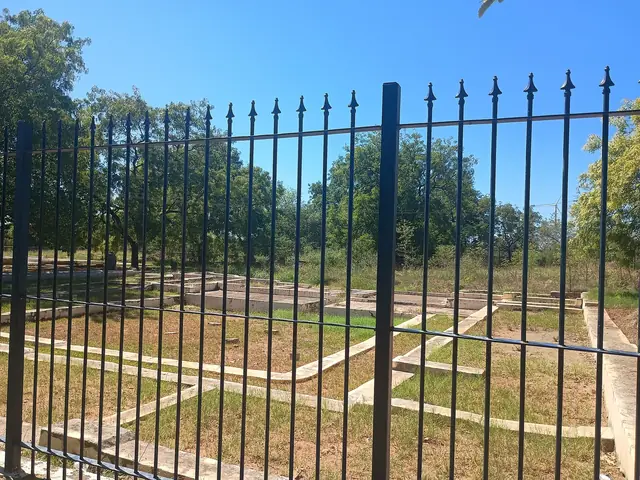
Ettayapuram was one of the palayams set up under the Madurai Nayakas, and its zamindars kept a court of poets and musicians. Muthuswami Dikshitar, the composer of the Kamalamba Navavarana and the Navagraha kritis, came here at the Raja’s invitation in his last years. On Deepavali in 1835 he asked his disciples to sing his kriti Meenakshi me mudam dehi, and as they reached the line on Shiva’s consort he left the body. His samadhi stands in the town. A century and a half earlier, in 1642, the Tamil Muslim poet Umaru Pulavar had been born here; he served at the same court.
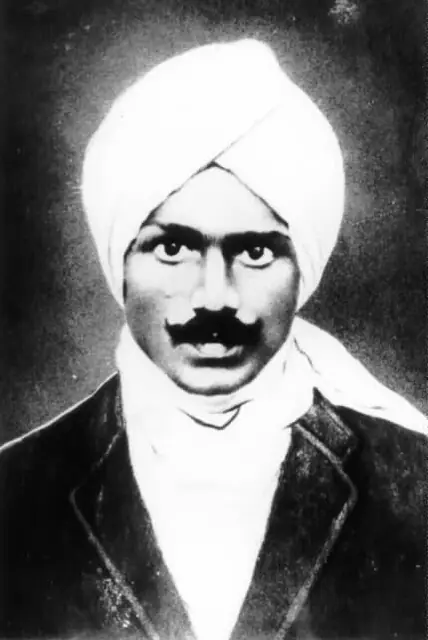
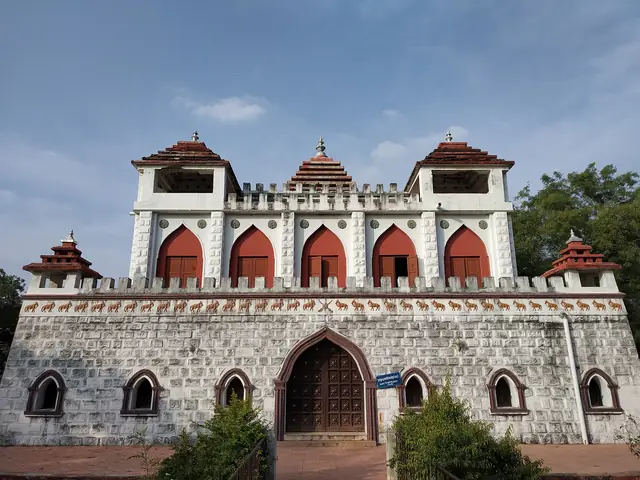
02Bharati’s birthplace
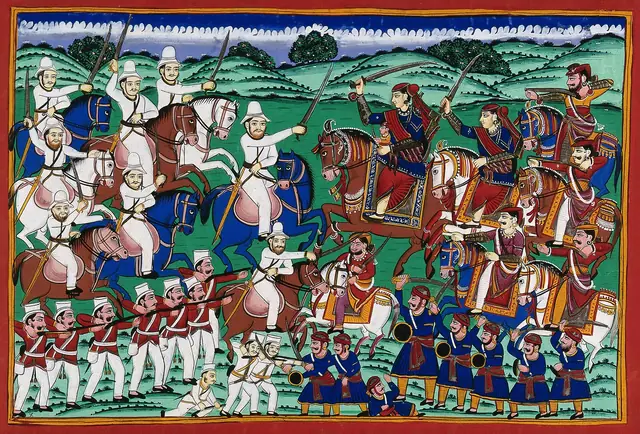
Subramania Bharati was born here on 11 December 1882, the son of a Brahmin who managed a cotton gin. As a boy of eleven he so impressed the poets of the Ettayapuram court that they gave him the title Bharati, the name he carried into the Swadeshi movement, the Pondicherry exile and the Tamil poems sung today. His birth house is kept as a memorial, and a Bharati Mani Mandapam stands in the town. The same family of chiefs had earlier helped the Company in the campaign of 1799 against Veerapandiya Kattabomman of Panchalankurichi, and in Tamil the name Ettappan came to mean a traitor, though his descendants were generous patrons.
The life of this place
- 1642The poet Umaru Pulavar is born here.
- 1799The Ettayapuram chief aids the Company against Kattabomman.
- Deepavali 1835Muthuswami Dikshitar dies at Ettayapuram.
- 11 December 1882Subramania Bharati is born here.