01Abhinav Bharat and India House
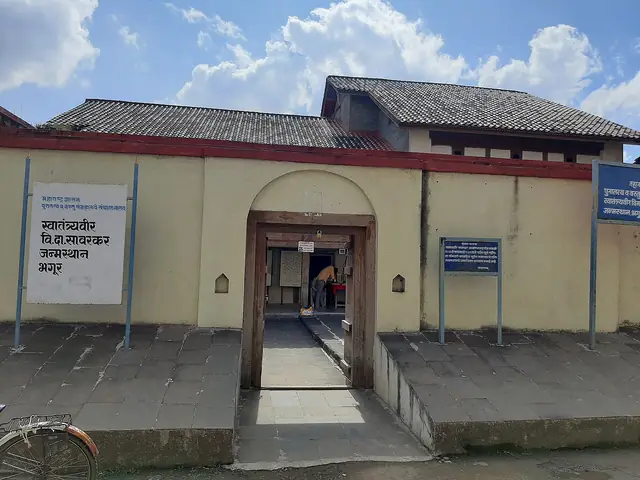
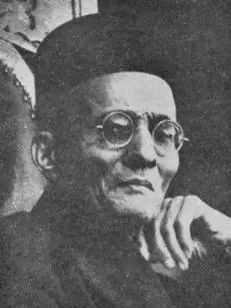
He was born at Bhagur near Nashik. With his brother Ganesh he founded the Mitra Mela in 1899, which became the secret society Abhinav Bharat in 1904. As a student of Fergusson College he organised a bonfire of foreign cloth in Pune in October 1905. In 1906 he went to London on a scholarship founded by Shyamji Krishna Varma, lived at India House and studied law at Gray’s Inn. There he wrote a Marathi life of Mazzini and The Indian War of Independence, 1857, which called the rising a national war rather than a mutiny. It was banned before it was printed and was smuggled into India after its publication in Holland in 1909.
02Marseilles and the Andamans
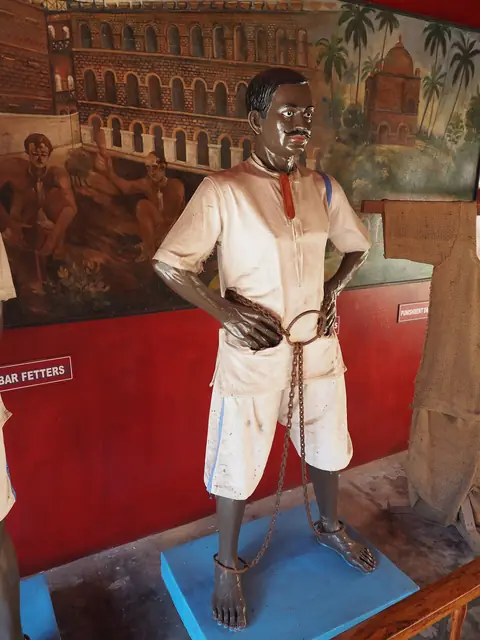
After A. M. T. Jackson, the Collector of Nashik, was shot in December 1909 with a pistol traced to a consignment Savarkar had sent, he was arrested in London on 13 March 1910. On 8 July 1910, as the ship carrying him to India lay at Marseilles, he squeezed through a porthole and swam ashore, but was retaken on the quay; France took the case to the Permanent Court of Arbitration at The Hague, which ruled for Britain in 1911. He was sentenced to two terms of transportation for life and reached the Cellular Jail at Port Blair in July 1911. He submitted petitions for clemency in 1911 and 1913. In 1921 he was moved to mainland jails and in January 1924 released on condition that he stay in Ratnagiri district and keep out of politics, restrictions lifted in 1937.
03Hindutva, Ratnagiri and after
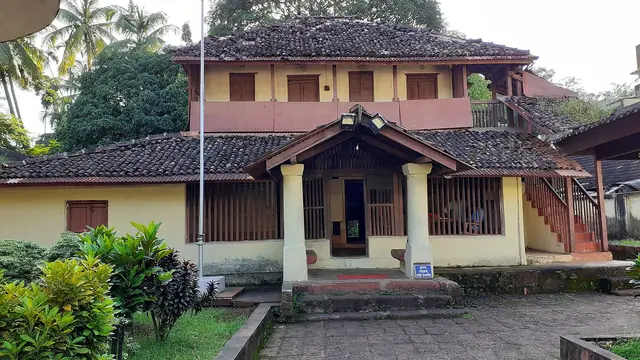
In prison he wrote Hindutva: Who is a Hindu?, published in 1923, defining a Hindu as one who holds Bharat to be both fatherland and holy land. At Ratnagiri he campaigned against untouchability; the Patit Pavan Mandir, opened in 1931, admitted every caste, and he held public inter-caste meals. He was president of the Hindu Mahasabha from 1937 to 1943. In 1948 he was arrested in the Gandhi assassination case and acquitted by the special court in February 1949. He wrote the Marathi poem Sagara Pran Talmalala (1909), the prison memoir Majhi Janmathep and Six Glorious Epochs of Indian History. In February 1966 he gave up food and medicine, which he called atmarpan, and died in Bombay on 26 February 1966.