01Manu of Bithoor
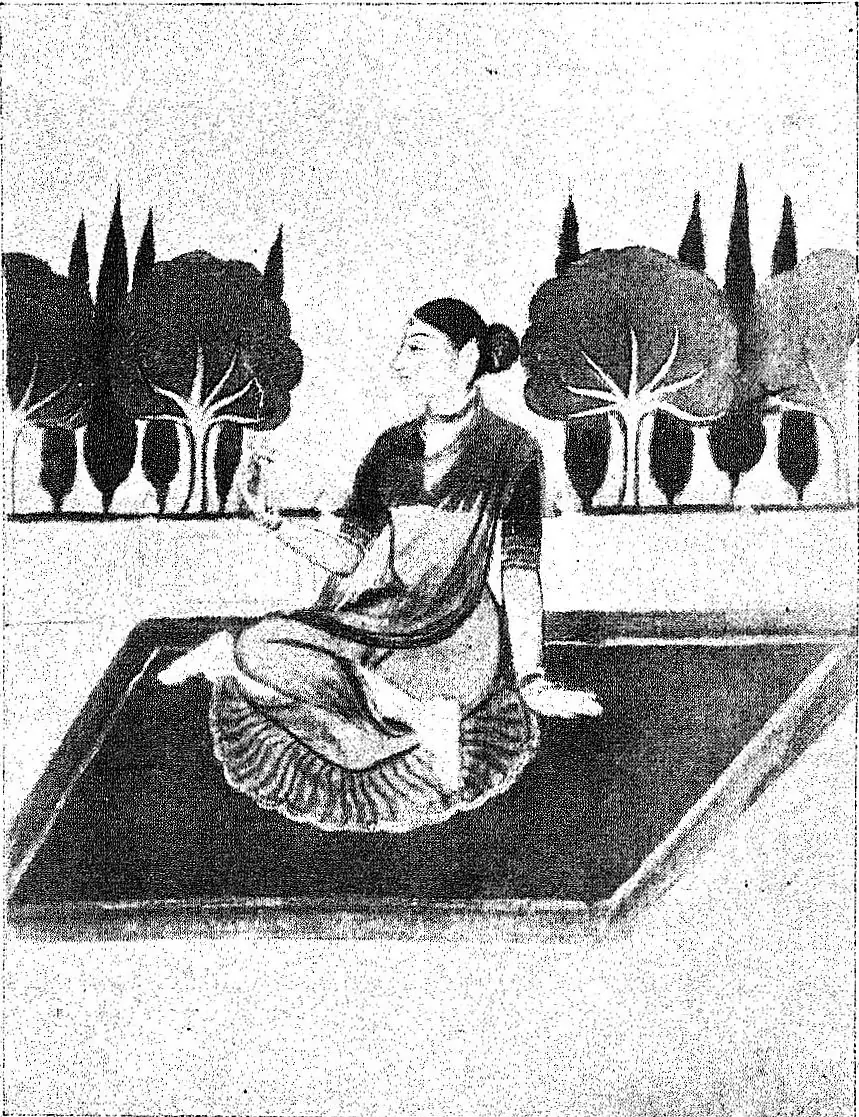
She was born at Kashi to Moropant Tambe and Bhagirathi Bai and named Manikarnika, after the ghat. The family called her Manu. Her father served the exiled Peshwa Baji Rao II at Bithoor, and she grew up there among the Peshwa’s household, learning to ride and use the sword. In 1842 she married Raja Gangadhar Rao Newalkar of Jhansi and took the name Lakshmibai. Their son died in infancy. In November 1853, a day before the Raja died, the couple adopted a boy, Damodar Rao. Lord Dalhousie refused to recognise the adoption and, under the Doctrine of Lapse, annexed Jhansi in March 1854. The Rani was given a pension and told to leave the fort.
02Siege of Jhansi and the last ride
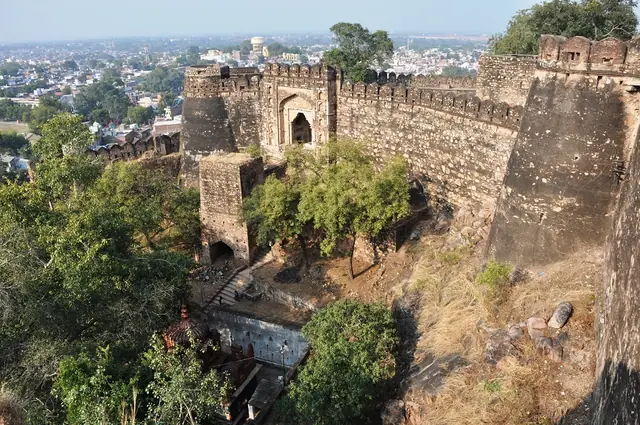
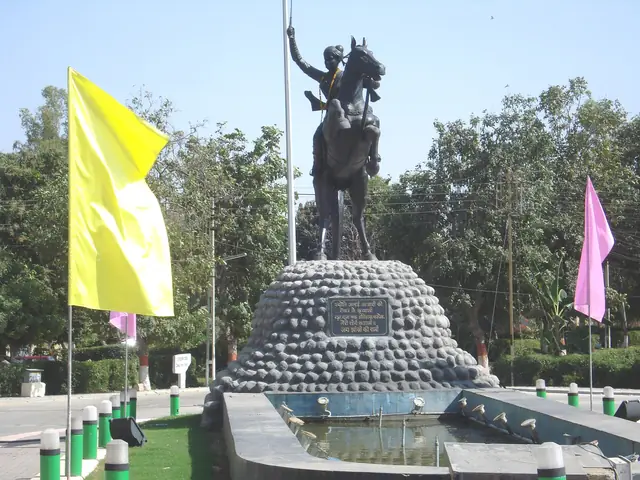
When the sepoys at Jhansi rose in June 1857 the Rani took charge of the state. Sir Hugh Rose’s column laid siege to Jhansi from 23 March 1858. Tatya Tope marched to relieve her and was beaten on the Betwa on 1 April, and the town was stormed on 3 and 4 April. She broke out at night with Damodar Rao and rode to Kalpi. With Tatya Tope and Rao Saheb she then took Gwalior on 1 June 1858. Rose followed. She was killed fighting in cavalry dress at Kotah-ki-Serai, near Gwalior, on 18 June 1858, and was cremated nearby; her samadhi stands in Gwalior today.
03How Bharat remembers her
Vishnubhat Godse, a Marathi priest who was inside Jhansi during the siege, left an eyewitness account in his Majha Pravas. Subhadra Kumari Chauhan’s Hindi poem ‘Jhansi ki Rani’, with its refrain ‘khoob ladi mardani woh to Jhansi wali rani thi’, has been learnt by heart in schools for generations. In 1943 Subhas Chandra Bose named the women’s regiment of the Azad Hind Fauj the Rani of Jhansi Regiment.