019 and 10 May 1857
In April 1857 eighty-five troopers of the 3rd Bengal Light Cavalry refused to use the new cartridges, which they believed were greased with cow and pig fat. They were court-martialled, and on the morning of 9 May they were stripped of their uniforms and fettered on the parade ground before the whole garrison, then marched to jail. The next evening, a Sunday, the sepoys of the 3rd Cavalry and the 11th and 20th Native Infantry rose, broke open the jail, and turned on their officers. By morning they were riding into Delhi, where on 11 May they proclaimed the old Bahadur Shah Zafar emperor.
02The Kali Paltan temple and older Meerut
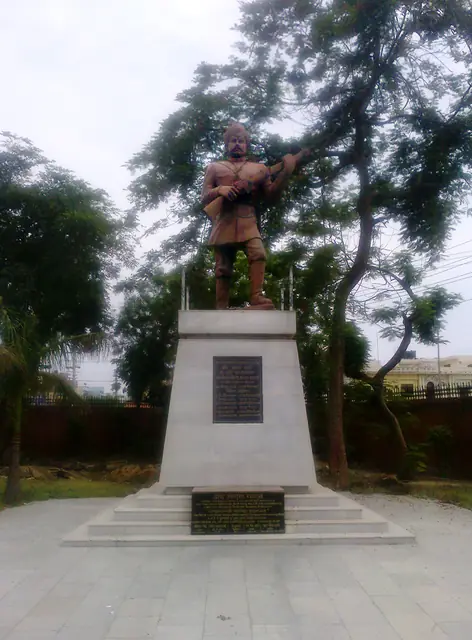
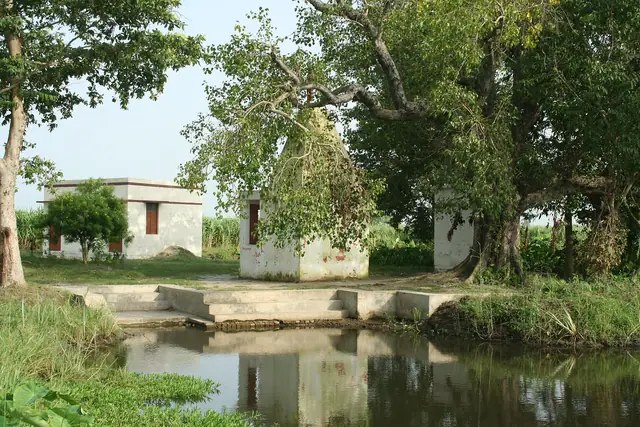
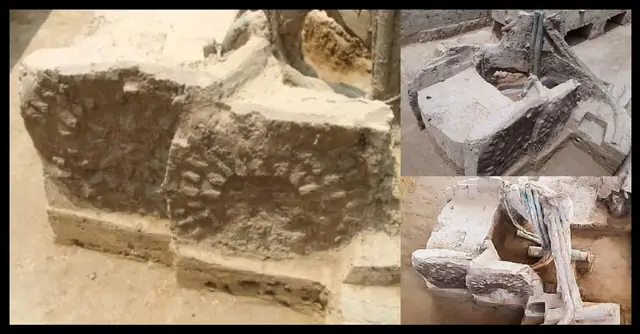
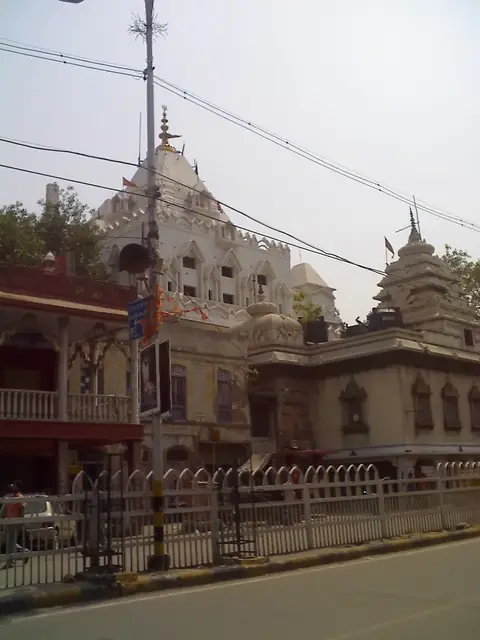
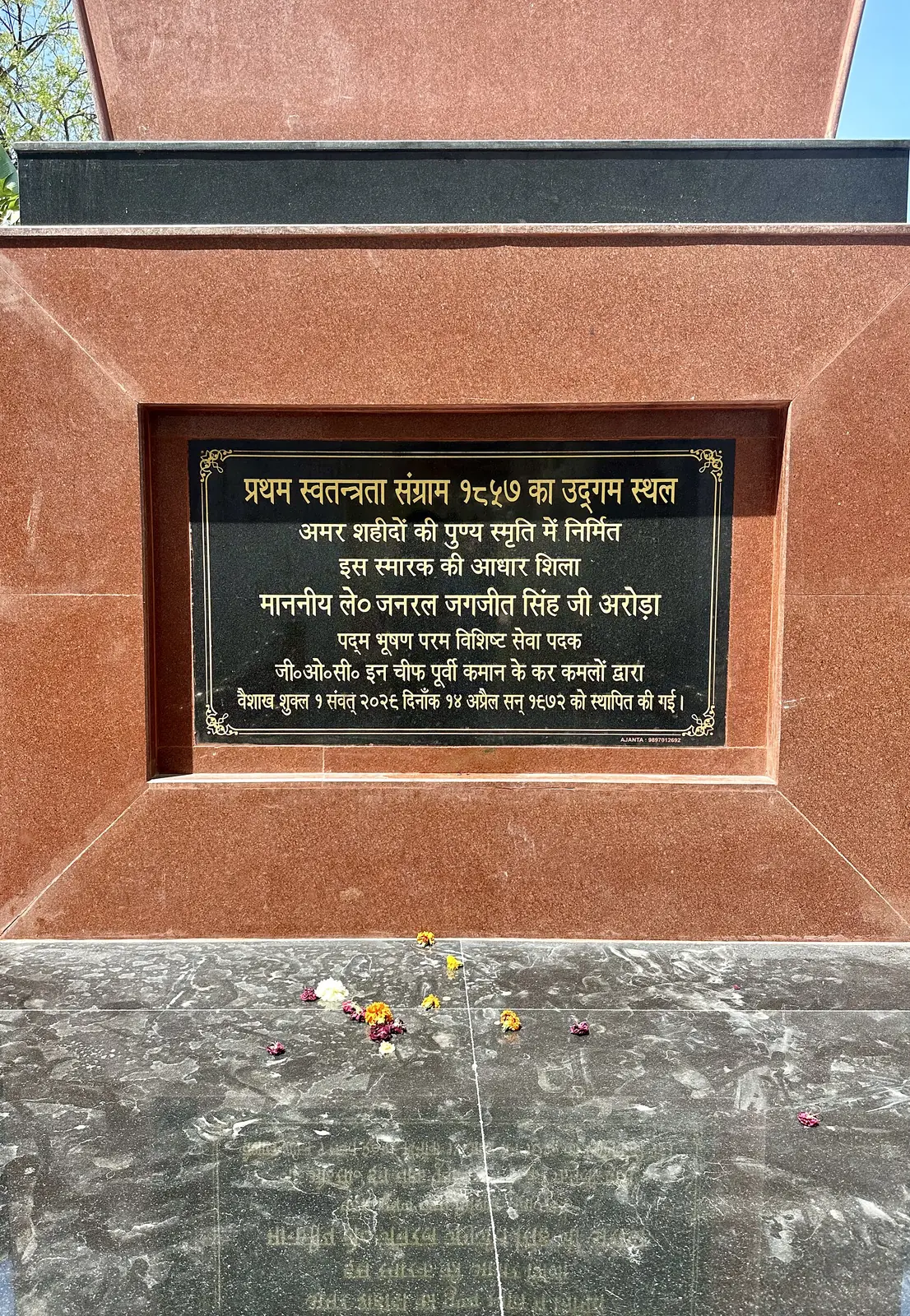
The Augharnath Shiva temple in the cantonment was known as the Kali Paltan mandir, after the Indian regiments, and Meerut remembers it as the place where the sepoys met and drew water before the rising; a memorial pillar stands there now. The Shaheed Smarak and a museum of the freedom struggle stand in the town. Meerut is old ground: Hastinapura lies a short way to the north-east, and one of Ashoka’s pillars, moved to Delhi by Firuz Shah Tughlaq in the 14th century, first stood here. In 1929 the trial of trade unionists known as the Meerut Conspiracy Case was held in the town.
The life of this place
- 1803The Company sets up the Meerut cantonment.
- 9 May 1857Eighty-five troopers are fettered on parade.
- 10 May 1857The sepoys rise at Meerut and ride for Delhi.
- 1929The Meerut Conspiracy Case begins.