01From Yeola to Kanpur
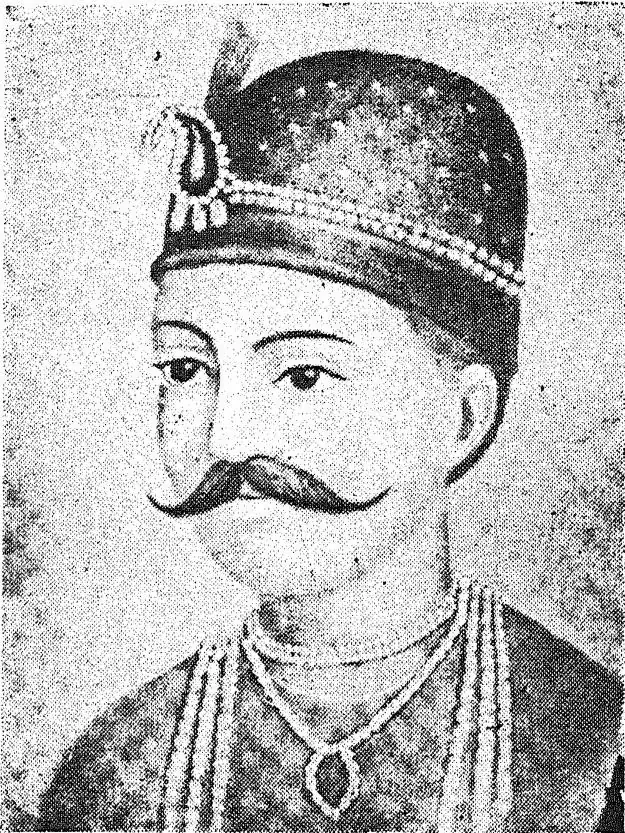
He was born at Yeola near Nashik, and his family moved to Bithoor when the last Peshwa, Baji Rao II, was sent there in exile. He grew up with the Peshwa’s adopted son Dhondu Pant, Nana Saheb. In 1857 he served Nana at Kanpur. In November he led the Gwalior Contingent against General Windham at Kanpur and pushed him back, before Sir Colin Campbell defeated him on 6 December 1857. In April 1858 he marched to relieve Jhansi and was beaten on the Betwa. With Rani Lakshmibai and Rao Saheb he then seized Gwalior on 1 June 1858.
02The long chase and Shivpuri
After Gwalior was lost on 20 June 1858 he began the campaign that made his name. Several British columns hunted him through Rajputana, Malwa and Bundelkhand; he crossed and recrossed the Chambal, crossed the Narmada into the south and came back again, always moving before the net closed. In April 1859 Man Singh of Narwar, with whom he was sheltering, gave him up, and he was taken in the Paron forest on 7 April. A military court at Shivpuri tried him, and he was hanged there on 18 April 1859. His statement at the trial, giving his own account of his campaigns, survives.