01The cartridge and the parade ground
He was born at Nagwa in Ballia district and joined the Company’s Bengal army as a young man. In early 1857 the talk in every cantonment was of the new Enfield cartridge, whose paper was said to be greased with cow and pig fat and had to be bitten open. For a Brahmin sepoy that meant the loss of dharma. On the afternoon of 29 March 1857 at Barrackpore, near Calcutta, Mangal Pandey came out with his musket, called on his comrades to rise, and wounded the adjutant, Lieutenant Baugh, and the sergeant-major. The guard did not seize him. When he was finally overpowered he turned the musket on himself, but survived the wound.
02Court-martial and after
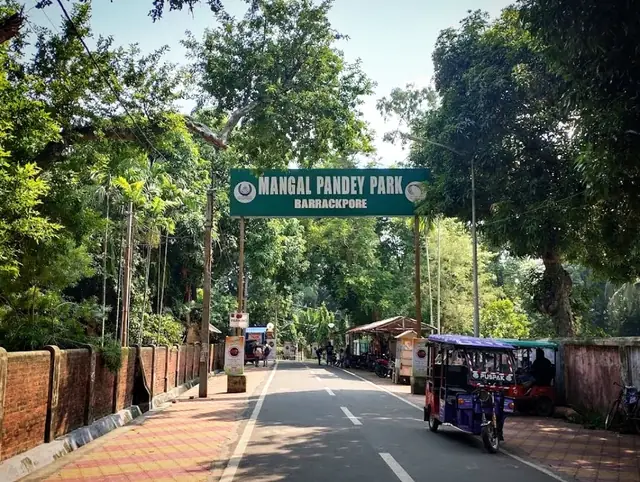
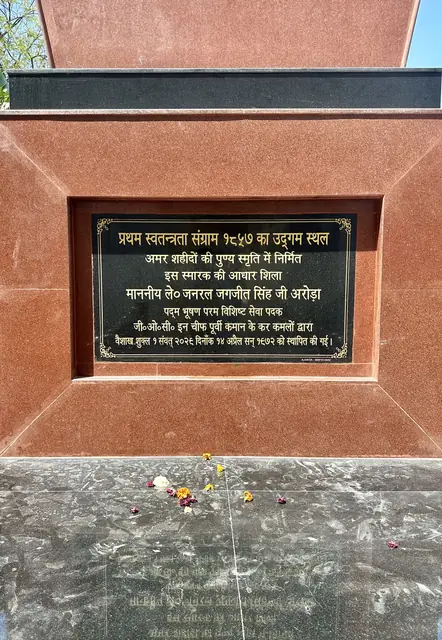
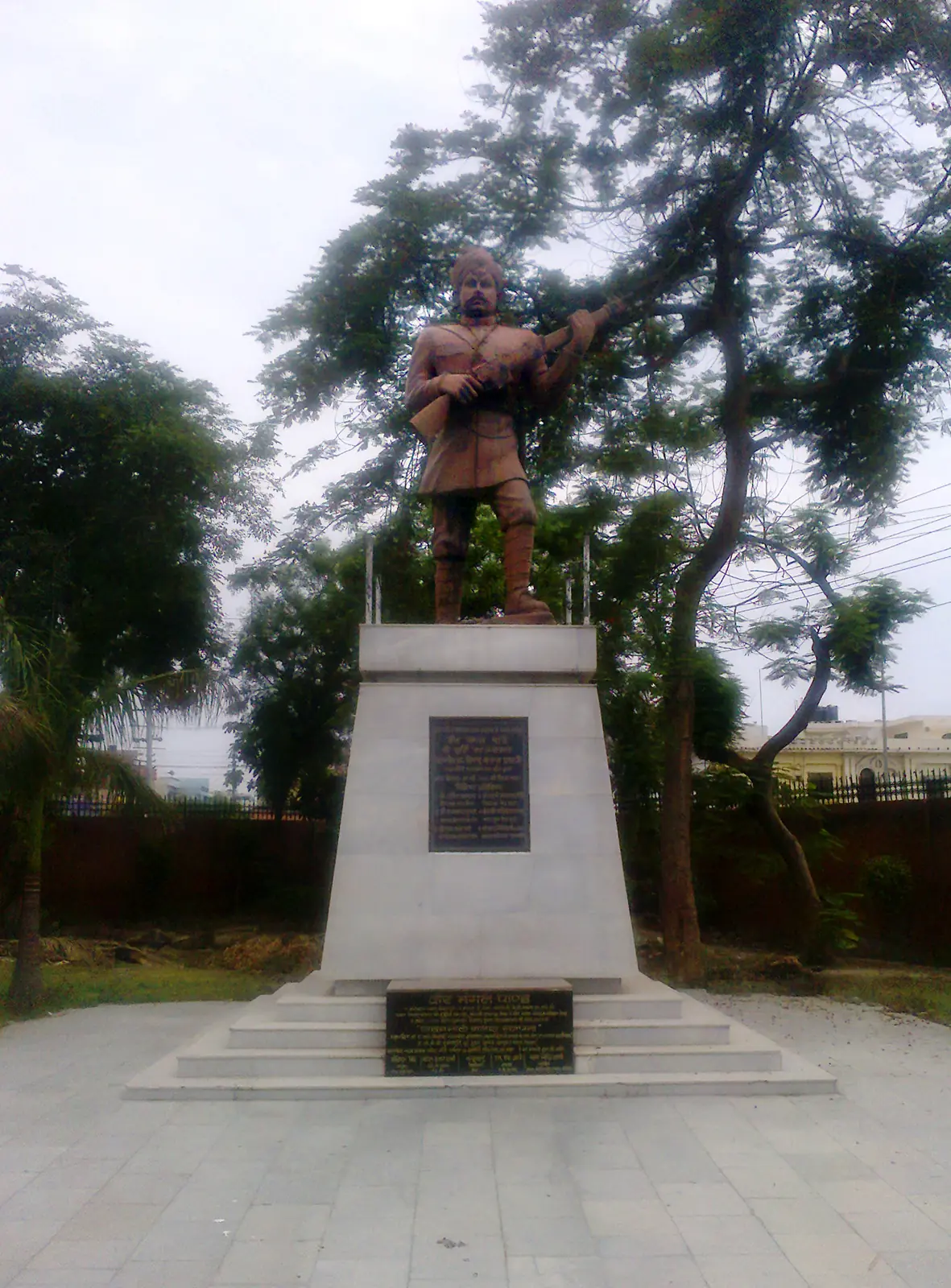
A court-martial sentenced him to death and he was hanged at Barrackpore on 8 April 1857. Jemadar Ishwari Prasad, who had commanded the guard and refused to arrest him, was hanged on 21 April. The 34th was disbanded in disgrace in May. The British began to call every rebel sepoy a ‘Pandy’, and the name stuck through the whole war. Today a park at Barrackpore and the Shaheed Smarak at Meerut carry his statue, and India issued a stamp in his honour in 1984.