011824: the first massacre
In 1824 the 47th Bengal Native Infantry at Barrackpore was ordered to march to Burma. The sepoys had no means to carry their brass cooking pots and their faith forbade them to cross the sea; they asked for help with the march and refused to go by ship. On 2 November 1824 the Commander-in-Chief, Sir Edward Paget, surrounded them on parade with European troops and guns and opened fire. Many were killed on the ground or drowned in the Hooghly as they fled; others were hanged, and the regiment was struck off. The memory of this day lay under the anger of 1857.
02Mangal Pandey’s parade ground
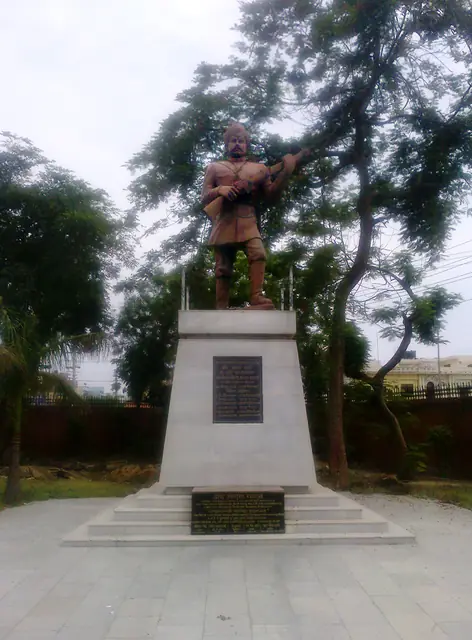
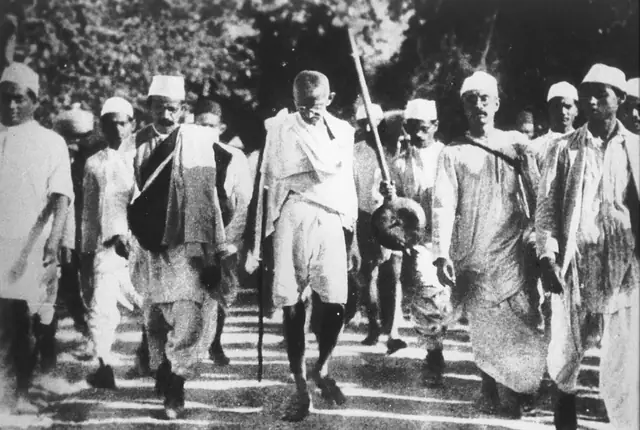
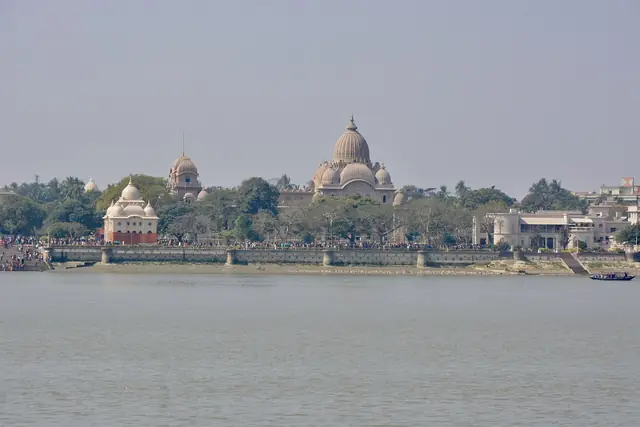
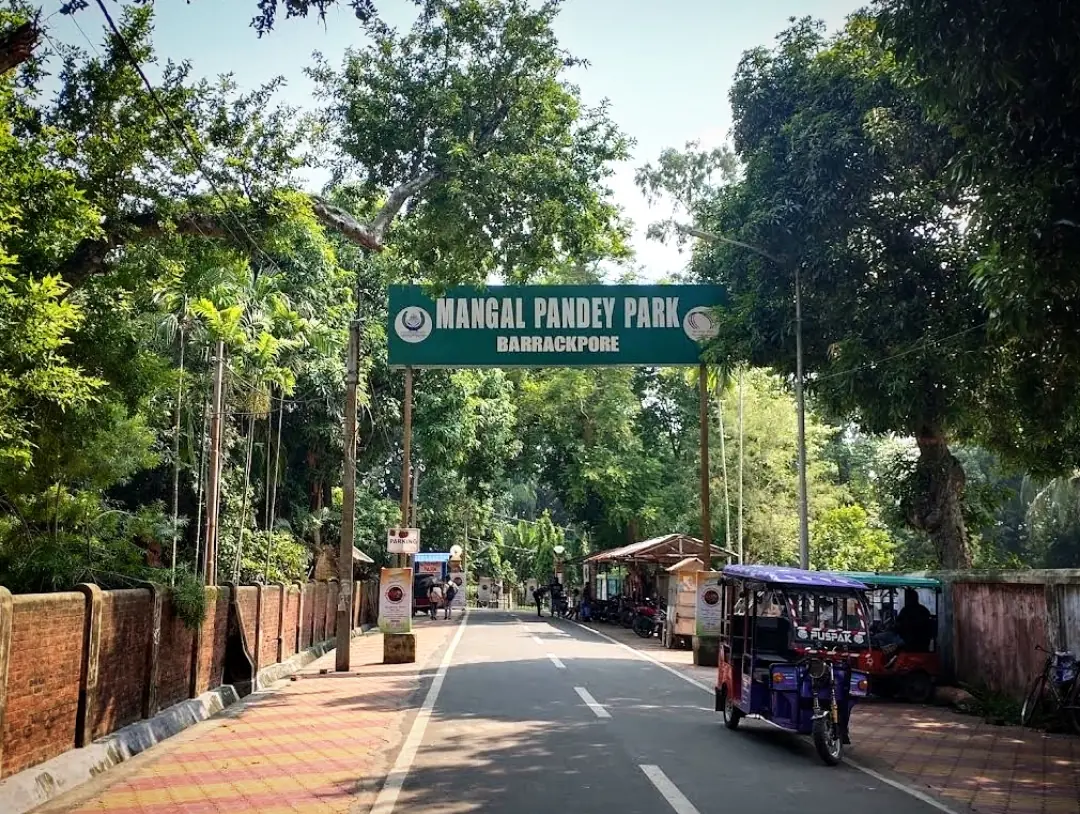
In early 1857 the talk in the lines was of the new Enfield cartridges greased with cow and pig fat. On the afternoon of 29 March 1857 Mangal Pandey of the 34th Bengal Native Infantry came out on the parade ground with his musket, called on his comrades to rise, and wounded the adjutant and a sergeant-major. The guard under Jemadar Ishwari Prasad would not arrest him. He turned the musket on himself, survived, and was hanged on 8 April; Ishwari Prasad was hanged on 21 April. Today Mangal Pandey Udyan, with a memorial, stands near the spot, and the Gandhi Ghat on the river holds an ash memorial.
The life of this place
- 1772The Company sets up a cantonment at Barrackpore.
- 2 November 1824Sepoys of the 47th Bengal Native Infantry are fired on at parade for refusing to sail to Burma.
- 29 March 1857Mangal Pandey attacks his officers on the parade ground.
- 8 April 1857Mangal Pandey is hanged at Barrackpore.