01Zorawar’s road
Kishtwar was a small kingdom of the Chenab gorges until Raja Gulab Singh of Jammu brought it under his rule in 1821. He made Zorawar Singh Kahluria its governor. From here, in 1834, Zorawar took a Dogra force up the side valleys and over the high passes into the Suru valley and Zanskar, the first of the campaigns that by 1840 had brought Ladakh and Baltistan under Jammu. The route was used again and again for supplies, through country where snow closes the passes for half the year.
02Machail and the Chowgan
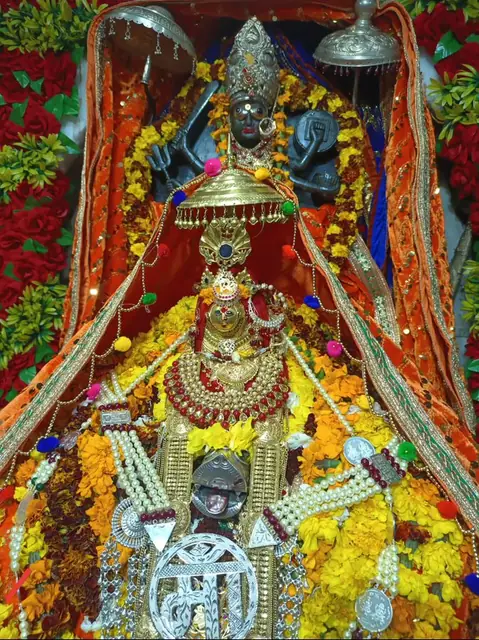
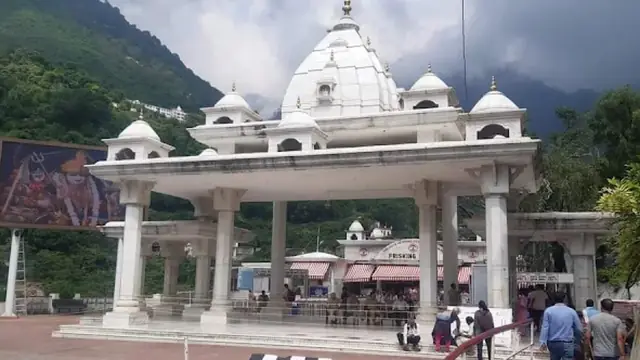
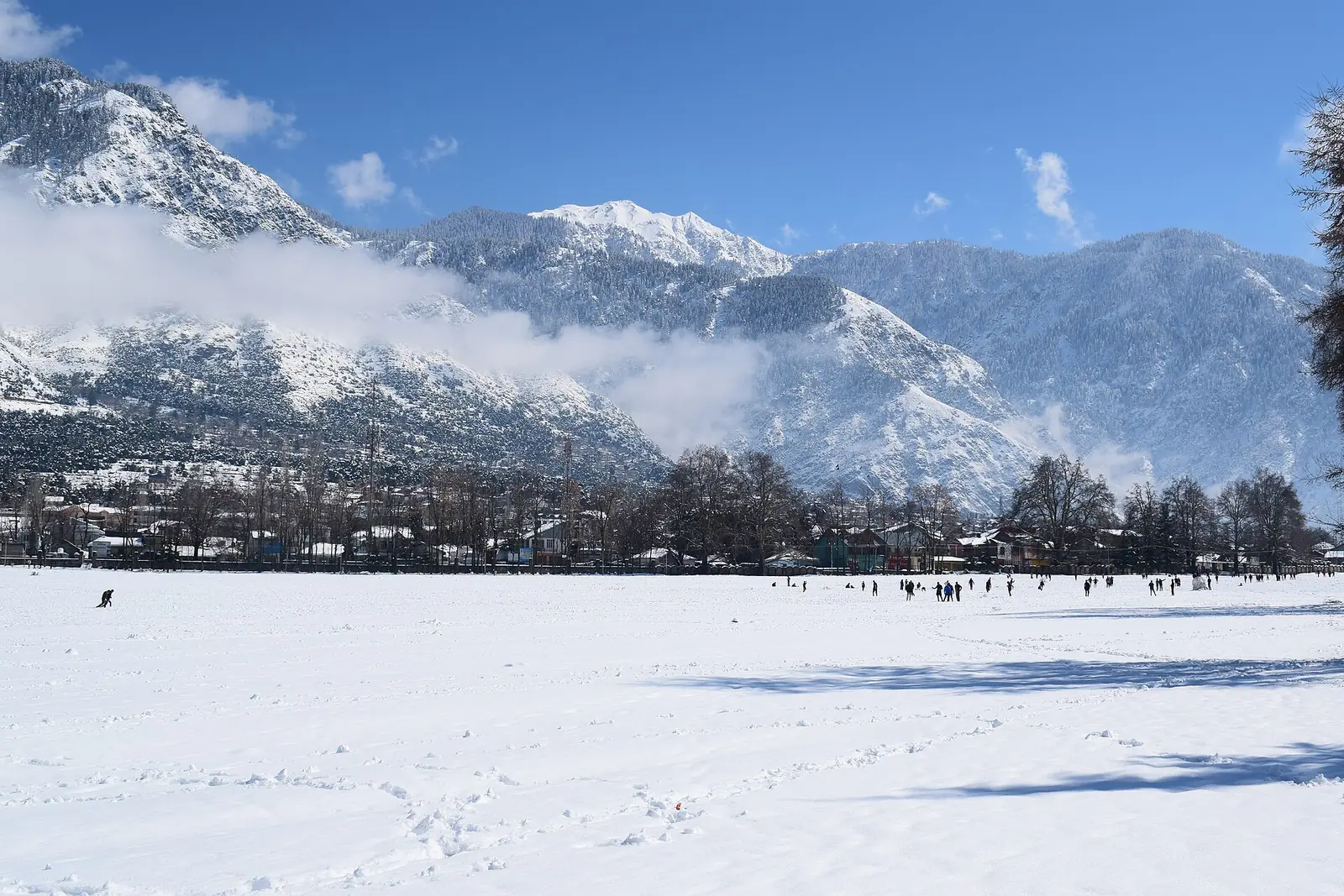
The town is built round the Chowgan, a broad green ground where the rajas once played polo. The district is known for its saffron and for the Paddar valley, where the shrine of Machail Mata, a form of Durga worshipped as Chandi, draws lakhs of pilgrims on foot each summer, most of them from Jammu. The Sarthal Devi temple stands on a ridge above the town.
The life of this place
- 1821Gulab Singh of Jammu annexes Kishtwar.
- 1834Zorawar Singh marches from Kishtwar into Ladakh.