01A Harappan town on the Oxus
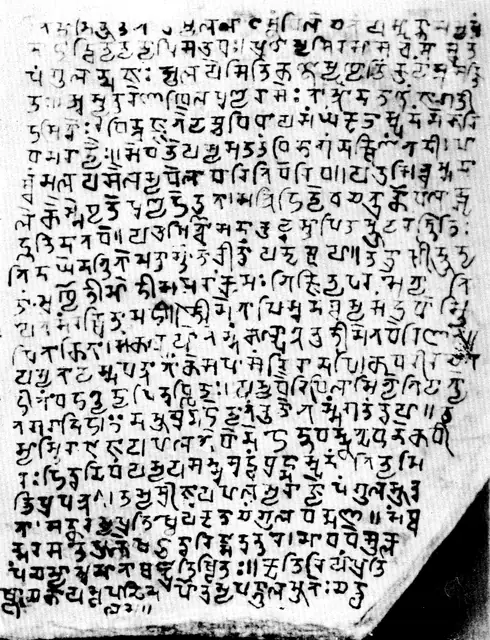
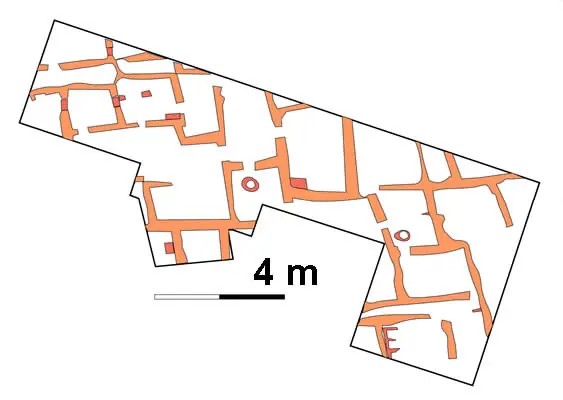
A French archaeological mission found the site in 1975, and Henri-Paul Francfort excavated it from 1977. What came out of the ground was plainly Harappan: pottery of the Sindhu valley forms and paintings, bricks in the standard Harappan proportion of 1:2:4, beads of carnelian, and a square seal with a rhinoceros and Indus script signs. Wheat and barley were grown with canals from the Kokcha. The settlement was small, a few hectares, but it was laid out and run in the same way as the towns of Gujarat and Sindh.
02Why so far north
The deep blue lapis lazuli used in Harappan beads and inlay comes from the mines of Sar-i Sang in Badakhshan, up the Kokcha valley from Shortugai. Tin and gold were also traded through this country. Shortugai shows that the Harappans did not wait for such goods to reach them; they planted a settlement of their own people at the source, some 1,000 km from Harappa. In its later levels the Harappan character fades and local Central Asian ways take over.
The life of this place
- c. 2500–2000 BCEA Harappan settlement flourished on the Amu Darya near the Kokcha.
- 1975 CEThe site was discovered by a French archaeological mission.
- 1977 CE onwardsHenri-Paul Francfort excavated the settlement.