01Manadeva’s pillar, 464
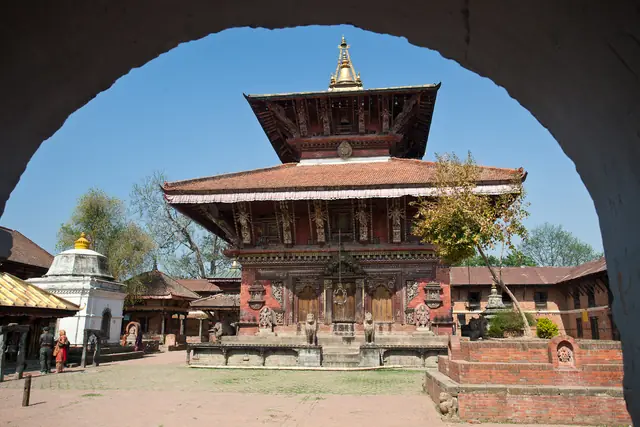
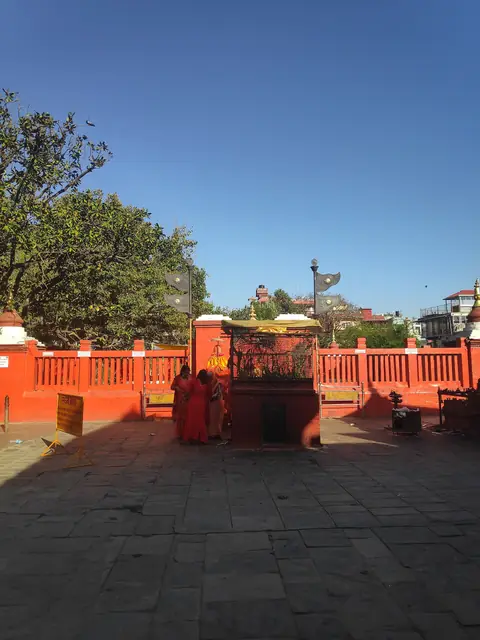
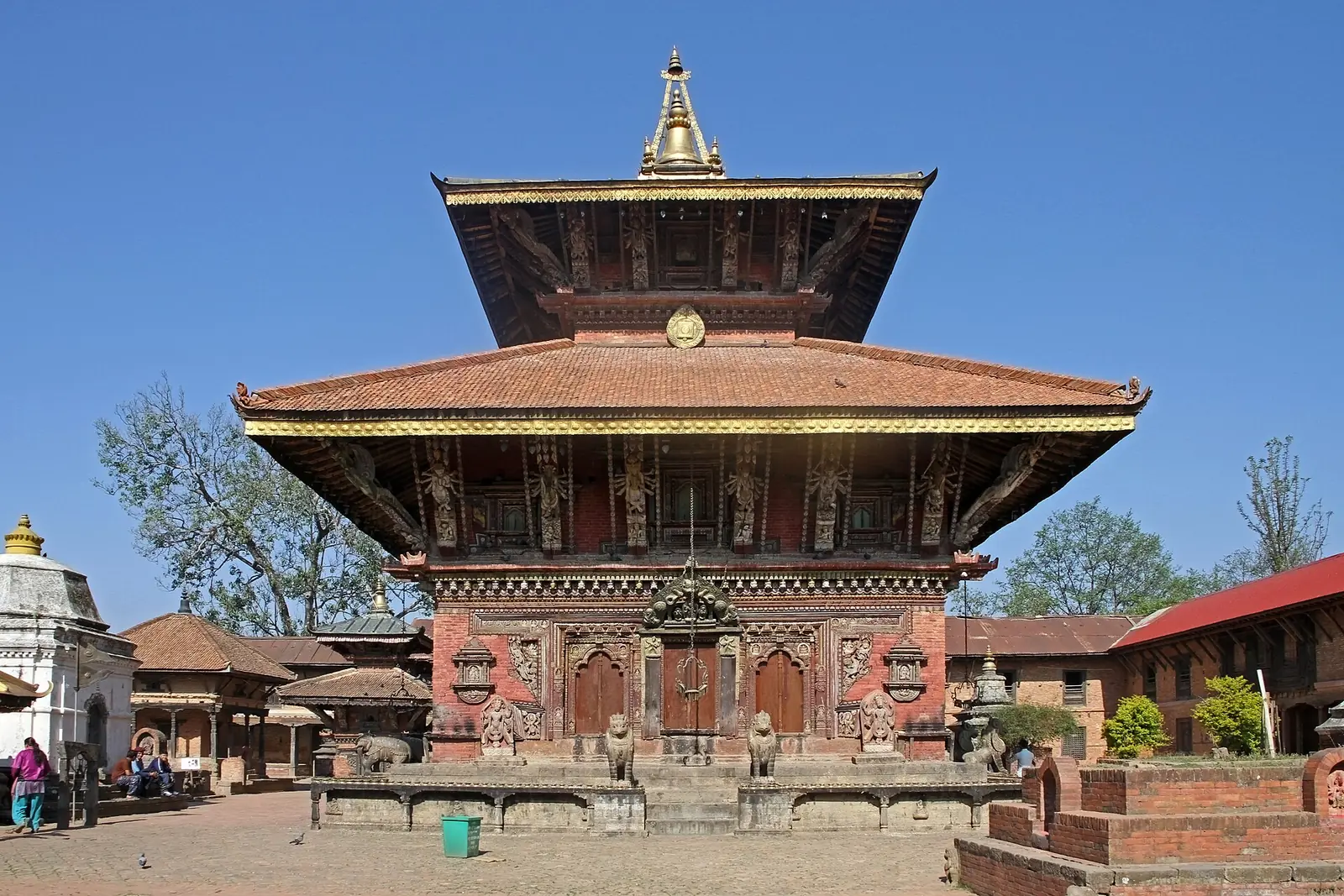
On the hill of Changu, east of Kathmandu, a stone pillar stands before the Vishnu temple, dated Samvat 386, which is 464 CE. King Manadeva I tells how his widowed mother Rajyavati wished to follow her husband into death, and how he begged her to stay, and how he then marched east and west to bring the hill chiefs to obedience. It is the oldest dated inscription in Nepal. The kneeling Garuda before the temple belongs to the same age.
02Amshuvarman
Amshuvarman, a Thakuri noble, rose as minister under the Licchavi king Shivadeva I and ruled in his own name from about 605 to 621. His inscriptions open with homage to Pashupati, and he built the palace of Kailashkut Bhawan, which the Chinese pilgrim Xuanzang heard of as a building of great splendour. Xuanzang also wrote that the king of Nepal was a learned man who had written a book on grammar.
03Pashupati’s land
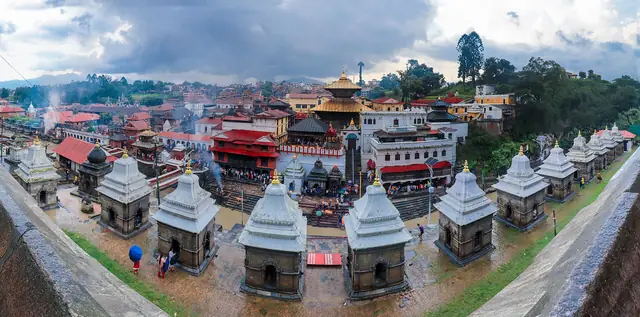
In 733 King Jayadeva II set up an inscription at Pashupatinath that gives the Licchavi genealogy back to the house of Vaishali and records a silver lotus offered to the god. Licchavi kings granted lands to Shaiva and Vaishnava temples and to Buddhist viharas alike, and many of the stone images of the valley, Vishnu Vikranta at Tilganga and the reclining Vishnu at Budhanilkantha among them, are of their time. The dynasty faded in the 9th century; Nepal Samvat, still used by the Newars, begins in 879.
The rulers
- 1Manadeva IChangu Narayan pillar, 464c. 464–505
- 2Shivadeva Ic. 590–604
- 3AmshuvarmanBuilt Kailashkut Bhawanc. 605–621
- 4NarendradevaTies with Tibet and Tang Chinac. 643–679
- 5Jayadeva IIPashupatinath genealogy inscription, 733c. 713–733
What they left
- The Changu Narayan pillar of 464, Nepal’s oldest dated inscription
- Nearly 200 Sanskrit inscriptions across the valley
- The Garuda of Changu and the Budhanilkantha Vishnu
- Stone water spouts (hiti) still running in Patan and Kathmandu