01Kanishka’s Purushapura
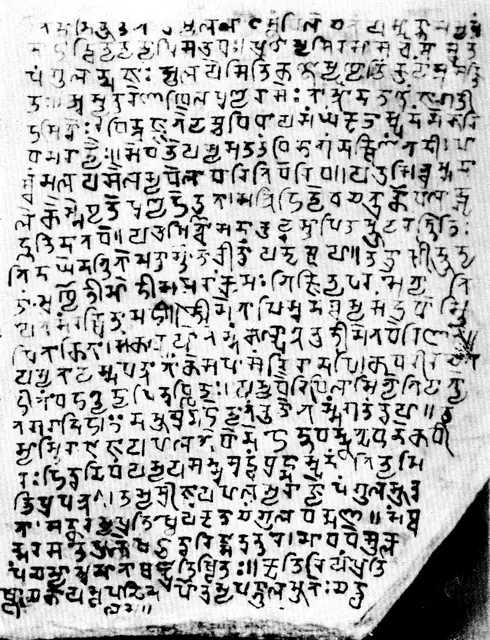
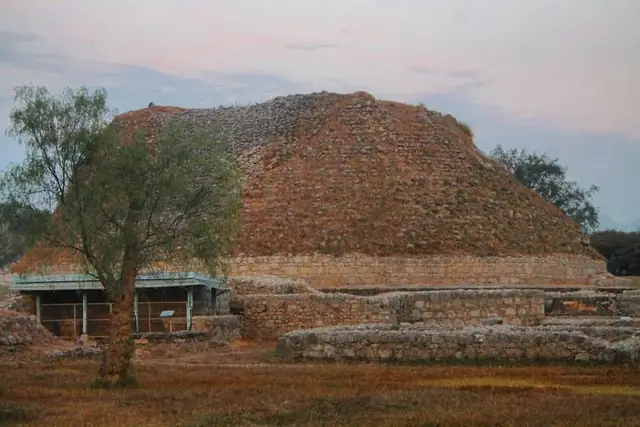
Purushapura was the eastern capital of the Kushana king Kanishka, who built outside it a stupa that Chinese pilgrims called the tallest in the world. Its base was excavated at Shah-ji-ki-Dheri in 1908–09, and in it was found a bronze relic casket bearing Kanishka’s figure, now in the Peshawar Museum. Faxian and Xuanzang both saw the city. In the Hindu Shahi period it was one of the strong places of the Shahi kingdom between Kabul and the Punjab. On 27 November 1001 Mahmud of Ghazni met Jayapala before Peshawar; the Shahi army broke, Jayapala was captured with his sons, and, released for a ransom, he gave the kingdom to Anandapala and entered the fire.
02Gor Khatri and the Sikh years
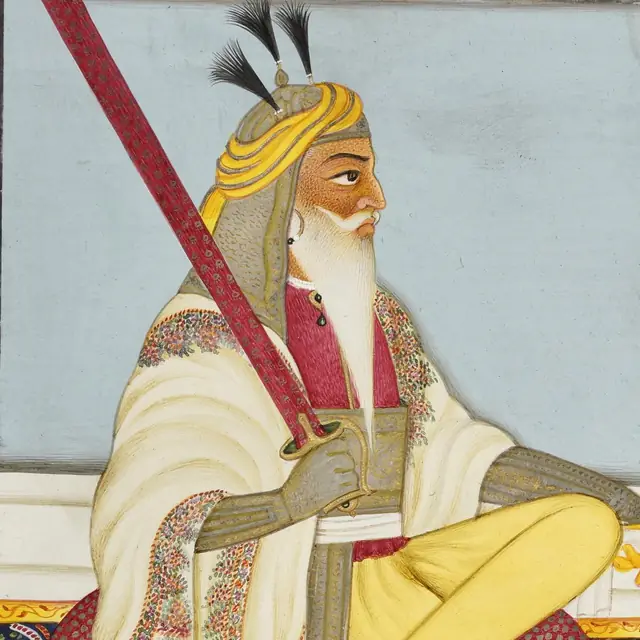
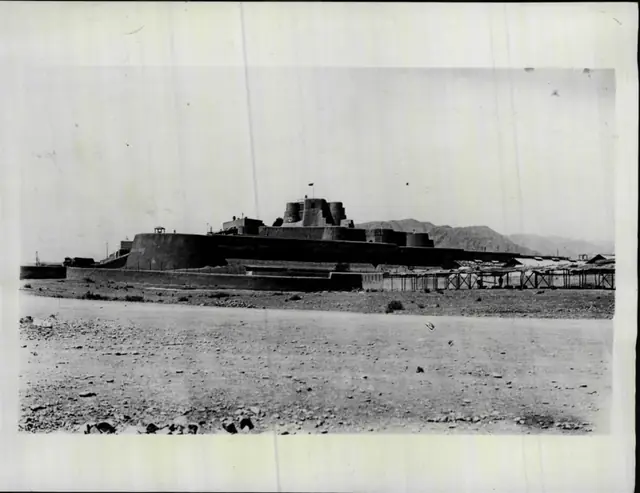
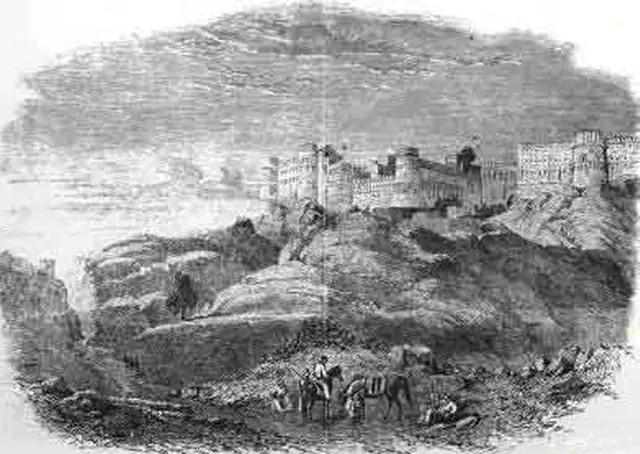
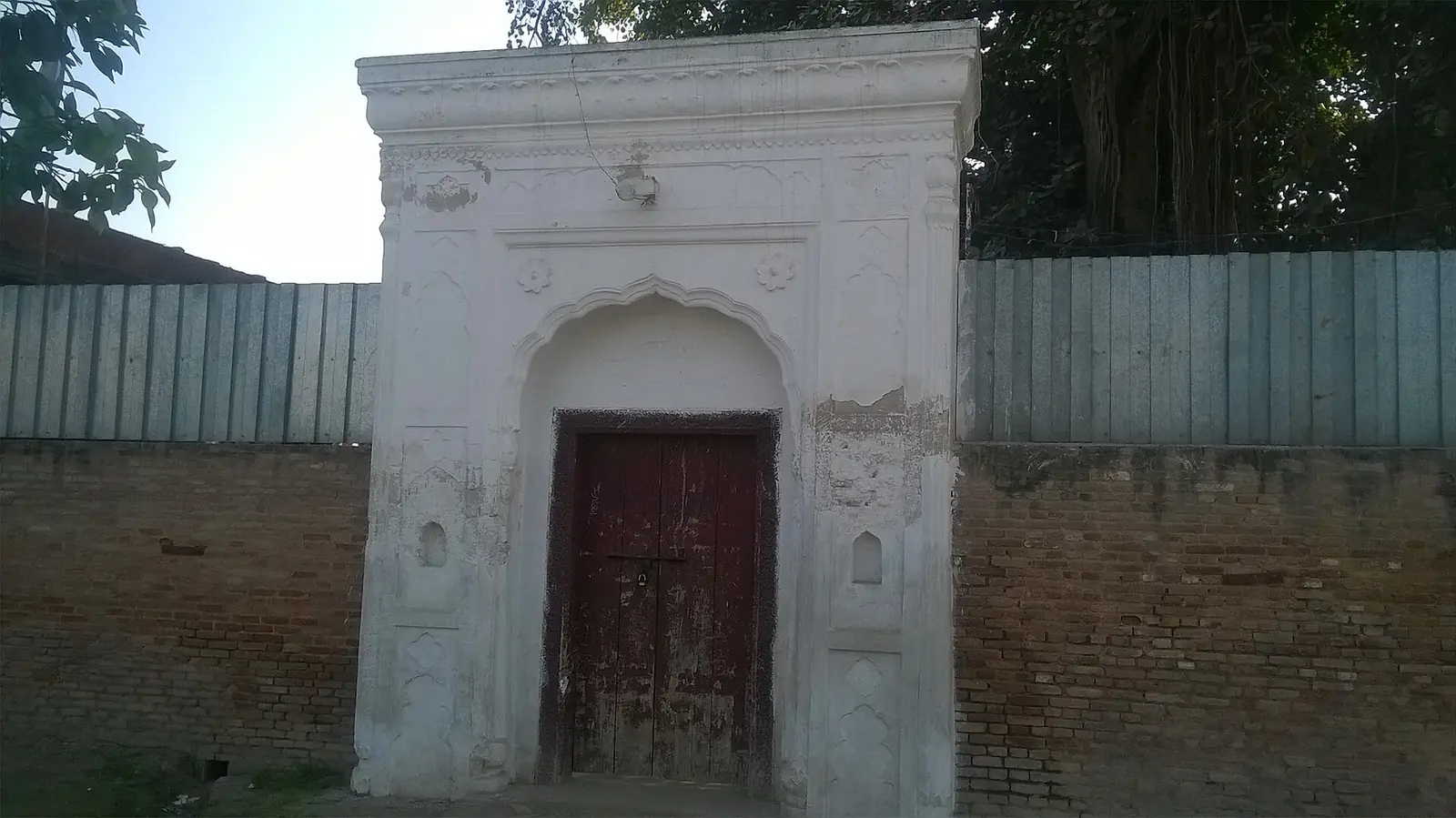
On the highest mound of the old city is Gor Khatri, which Babur visited in 1519 and described in the Baburnama as a place of jogis where people came to shave their heads; it was a centre of the Nath yogis, and the Gorakhnath temple stands within its walls. Jahanara Begum turned the compound into a caravanserai in the 1640s. Ranjit Singh’s army took Peshawar in 1834, and Hari Singh Nalwa governed the city and held the Khyber until he fell at Jamrud in 1837. In 1849 Peshawar passed to the British, and in 1947 to Pakistan. The Gorakhnath temple, long shut, was reopened for worship after a court order in 2011, and a small Hindu and Sikh community remains in the city.
The life of this place
- 2nd century CEKanishka makes Purushapura his capital and builds the great stupa.
- 27 November 1001Mahmud of Ghazni defeats and captures Jayapala before Peshawar.
- 1519Babur visits the jogis’ shrine at Gor Khatri.
- 1834The Sikh empire takes Peshawar; Hari Singh Nalwa becomes governor.
- 1908–09Kanishka’s relic casket is excavated at Shah-ji-ki-Dheri.
- 2011The Gorakhnath temple at Gor Khatri is reopened for worship.