
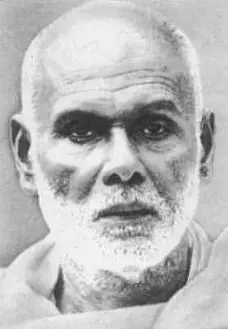
01The linga from the river
Narayanan learned Sanskrit, Ayurveda and the Shastras as a young man, taught village children, and then left home to wander as an ascetic, doing tapas in the caves of Maruthwamala near Kanyakumari. On Shivaratri night in 1888 at Aruvippuram, on the Neyyar river, he dived into the water, brought up a stone and installed it as a Shivalinga before a crowd of devotees from castes then kept out of temples. When the upper castes objected, his reply became famous: he had consecrated an Ezhava Shiva. On the temple wall he had written that this was a place where all live as brothers, without caste division or religious hatred.
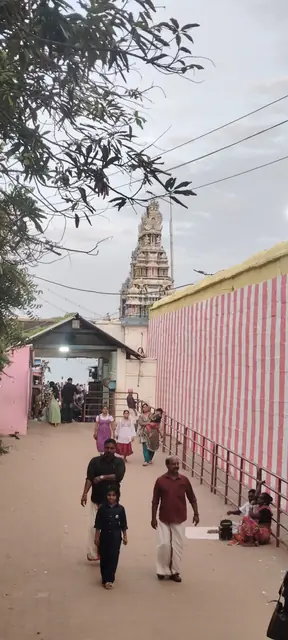
02Sivagiri
The Sree Narayana Dharma Paripalana Yogam was founded in 1903 to carry out his work, and his disciples built schools and reading rooms across Travancore and Kochi. He founded the Sivagiri math at Varkala and consecrated temples where the image was sometimes a lamp, a mirror or the word Om. He wrote in Malayalam, Sanskrit and Tamil: the Atmopadesa Satakam, a hundred verses on Advaita, and the short prayer Daiva Dasakam. Tagore met him in 1922 and Gandhi in 1925. He died at Sivagiri on 20 September 1928.
“One caste, one religion, one God for humankind.”
Sree Narayana Guru, Jati Nirnayam (1914), as commonly cited (Malayalam: oru jati, oru matam, oru daivam manushyanu)