01Banga, Jallianwala and Lahore
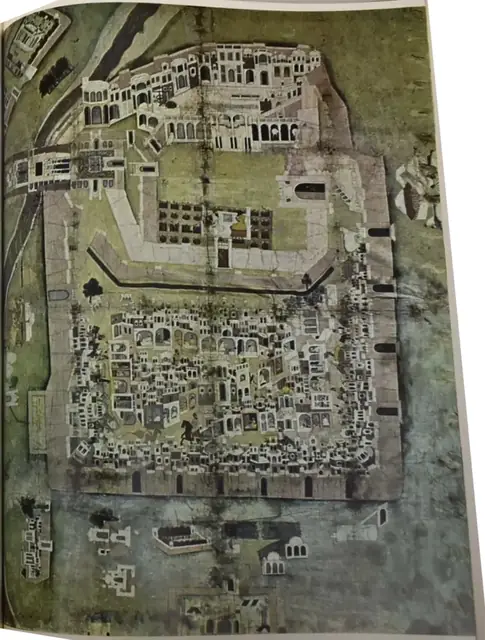
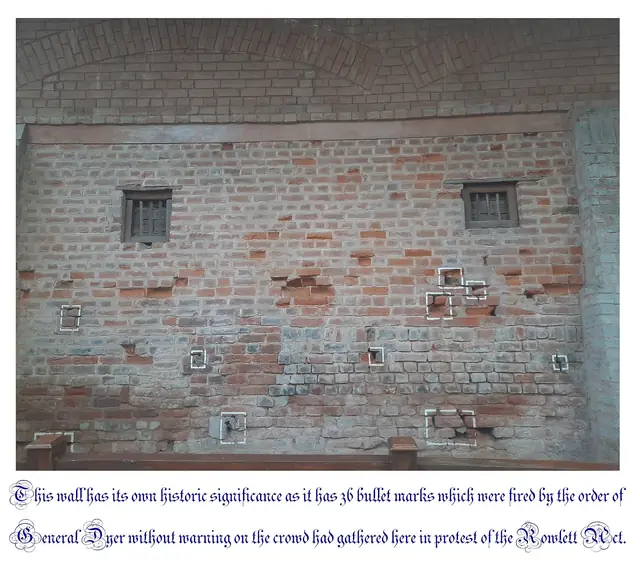
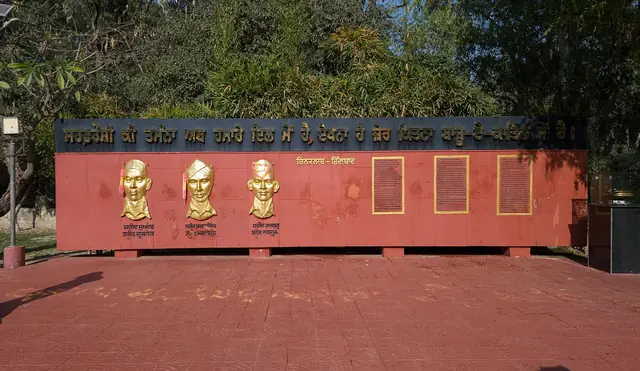
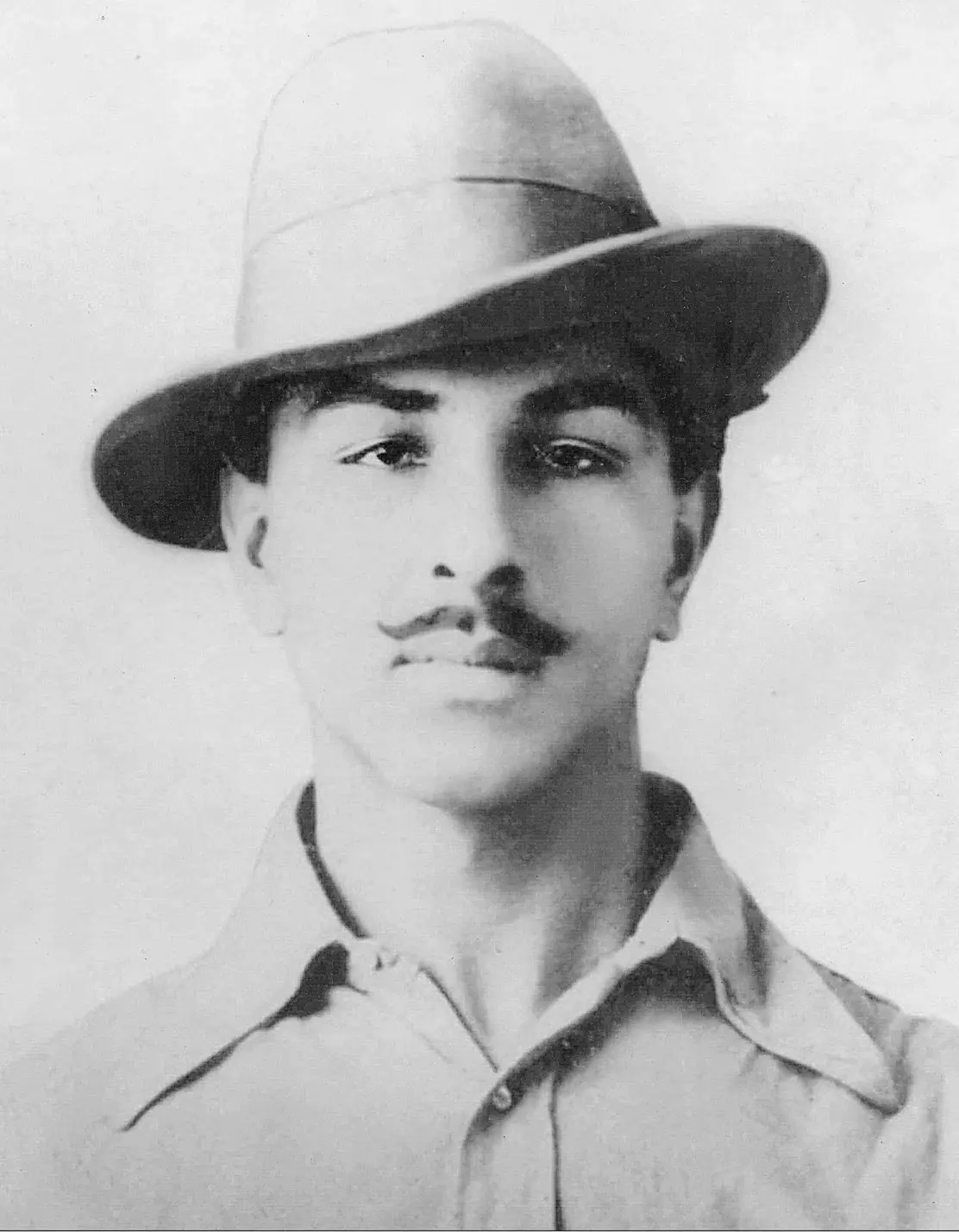
He was born at Banga in Lyallpur district (now in Pakistan) into a Sikh family already marked by the struggle: his uncle Ajit Singh had been deported to Mandalay with Lajpat Rai in 1907. At twelve he went to Jallianwala Bagh after the firing of April 1919 and brought home a little of its earth. He studied at the National College, Lahore, founded the Naujawan Bharat Sabha in 1926, and in September 1928 helped turn the Hindustan Republican Association into the Hindustan Socialist Republican Association. After Lajpat Rai’s death, he and Rajguru shot Assistant Superintendent J. P. Saunders at Lahore on 17 December 1928, mistaking him for James Scott; Chandrashekhar Azad covered their escape.
02The Assembly bomb and the trial
On 8 April 1929 he and Batukeshwar Dutt threw two low-power bombs into the empty benches of the Central Legislative Assembly in Delhi, scattered leaflets, shouted ‘Inquilab Zindabad’ and stood still for arrest. In jail he led a long hunger strike for the rights of political prisoners; his comrade Jatin Das died on its sixty-third day, 13 September 1929. A special tribunal in the Lahore Conspiracy Case sentenced him, Rajguru and Sukhdev to death on 7 October 1930. In his cell he read without pause and wrote, among other things, the essay Why I Am an Atheist (1930) and a prison notebook. The three were hanged in Lahore Central Jail on the evening of 23 March 1931 and cremated at Hussainiwala on the Sutlej.