01Nagpur, Calcutta and the Congress
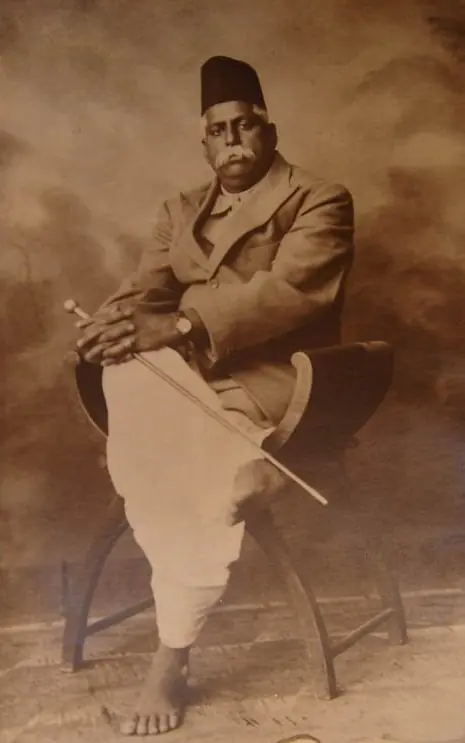
He was born in Nagpur on Gudi Padwa, the Hindu new year, into a family of Vedic scholars from Telangana, and lost both parents to plague at thirteen. He was expelled from his Nagpur school for leading the boys in a chorus of ‘Vande Mataram’ before a visiting inspector. From 1910 he studied medicine at the National Medical College in Calcutta, and while there worked with the Anushilan Samiti. Back in Nagpur from 1916 he joined the Congress and organised volunteers for its Nagpur session of 1920. For speeches during Non-Cooperation he was tried for sedition in 1921 and served a year of rigorous imprisonment.
02Vijayadashami 1925 and after
On Vijayadashami, 27 September 1925, he gathered a handful of young men at his house in Nagpur and began the Rashtriya Swayamsevak Sangh. Its method was the daily shakha: an hour of games, drill, songs and prayer in an open ground, meant to build character and unity among Hindus across caste. He remained its first sarsanghchalak. In 1930 he handed charge of the Sangh to L. V. Paranjpe, joined the Jungle Satyagraha in the Central Provinces, and served nine months in Akola jail. He died in Nagpur on 21 June 1940 and was succeeded by M. S. Golwalkar. The Smruti Mandir at Reshimbagh, Nagpur, stands over his samadhi; India issued a stamp in his memory in 1999.