01Tinkathia and the satyagraha
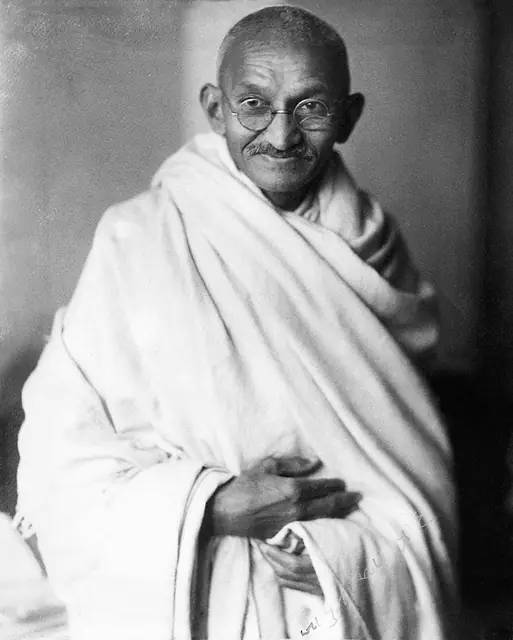
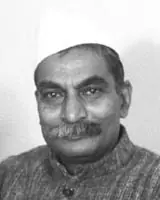
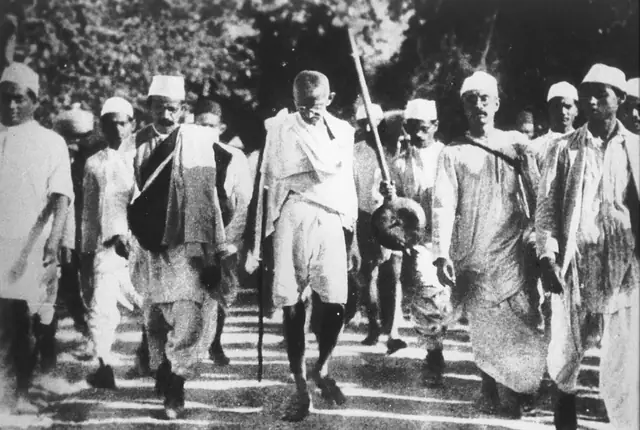
Under the tinkathia system the European planters of Champaran forced their tenants to grow indigo on three kathas in every twenty, and when synthetic dye ruined the indigo trade they made them pay heavy dues to be released. A farmer from Murli Bharahwa, Raj Kumar Shukla, followed Gandhiji to the Lucknow Congress in 1916 and would not leave him until he agreed to come. Gandhiji reached Motihari on 15 April 1917. Ordered to leave the district, he told the magistrate he would disobey and accept the penalty; the case was withdrawn. With Rajendra Prasad, Brajkishore Prasad, J. B. Kripalani and others he took down the statements of some eight thousand farmers. The Champaran Agrarian Act of 1918 ended tinkathia.
02Older Champaran
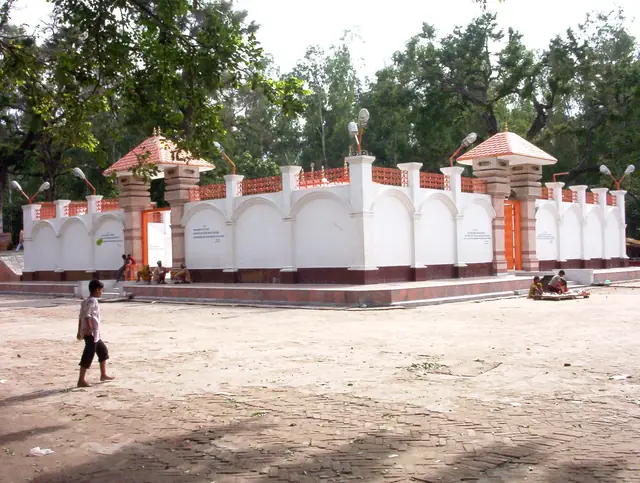
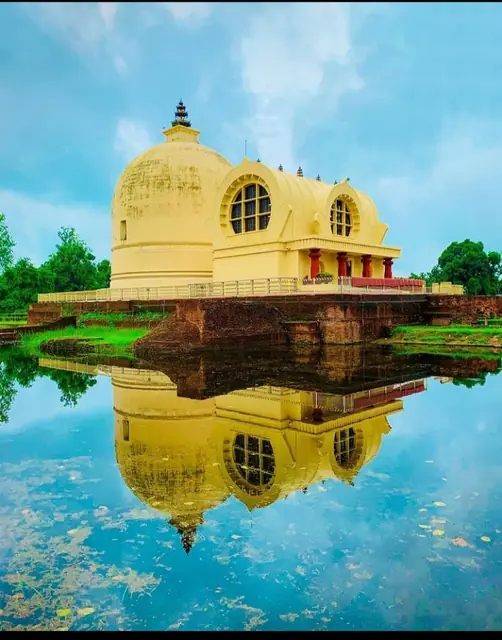
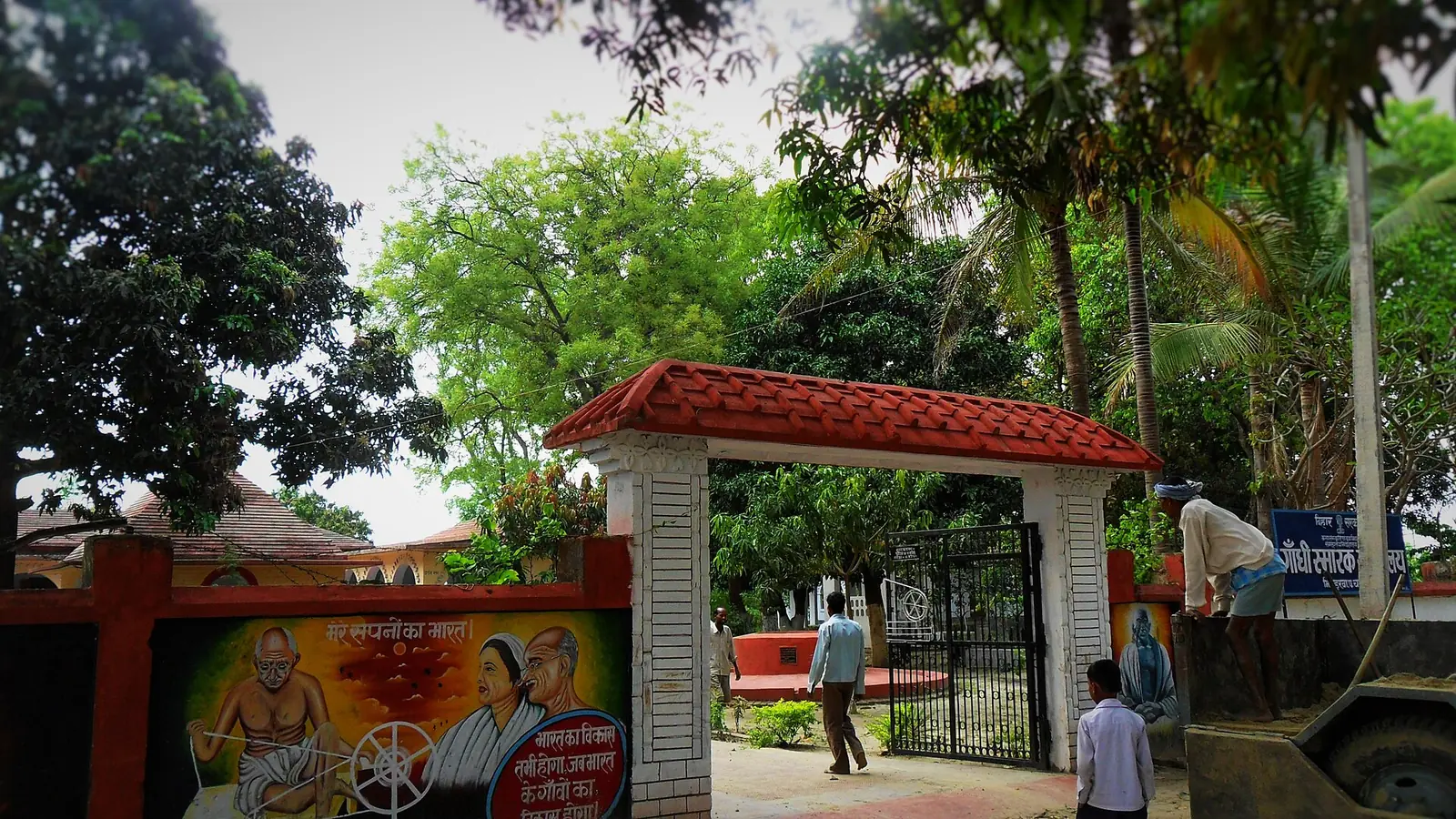
Champaran was in Videha and the Vajji country of the Buddha’s time. Ashoka set up polished sandstone pillars along the road north to Nepal: the lion pillar at Lauriya Nandangarh still stands whole, with his edicts, and the bull and lion capitals from Rampurva are in the Rashtrapati Bhavan and the Indian Museum. At Valmikinagar on the Gandak, on the Nepal border, an old tradition places the ashram of Maharshi Valmiki. Gandhiji’s ashram school at Bhitiharwa, started in November 1917, is kept as a memorial.
The life of this place
- 3rd century BCEAshoka raises pillars at Lauriya Nandangarh, Lauriya Araraj and Rampurva.
- 15 April 1917Gandhiji arrives at Motihari and begins the Champaran inquiry.
- 1918The Champaran Agrarian Act abolishes the tinkathia system.