01The campaign of 1928
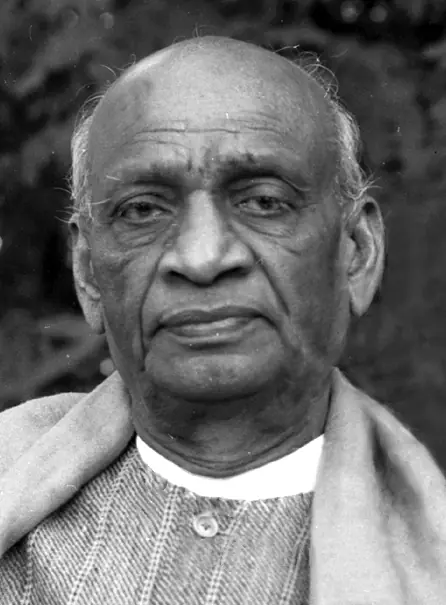
Bardoli had been picked by Gandhiji for mass civil disobedience in 1922, and the plan was dropped after Chauri Chaura. Six years later the Bombay government raised the land revenue of the taluka by about 22 per cent. The farmers asked Vallabhbhai Patel to lead them, and from February 1928 they paid nothing. Patel divided the taluka into camps, ran a daily news-sheet, and kept the villages united. The government seized buffaloes, attached and auctioned land, and brought in Pathan agents; the villagers locked their animals indoors for weeks and no one in the taluka would buy the confiscated land.
02The Sardar
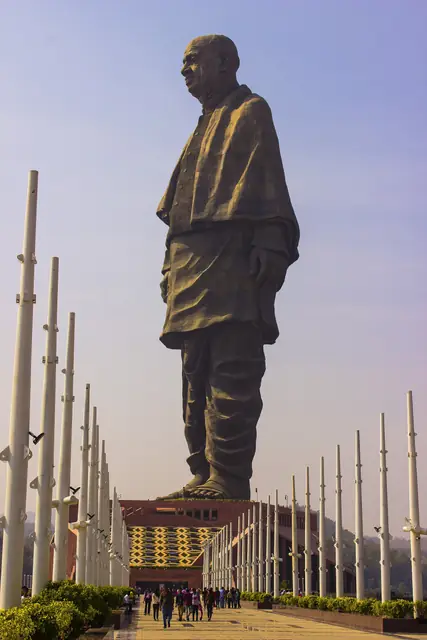
By August 1928 the government gave way. An inquiry by two officials, Maxwell and Broomfield, found the increase unjustified and cut it to a little over six per cent; seized land and cattle were returned. The women of Bardoli had already begun to call Patel Sardar, the leader, and the name stayed with him. The Swaraj Ashram in Bardoli, his headquarters in the campaign, is kept as a memorial. Bardoli is also a sugar town, home to one of Gujarat’s oldest cooperative sugar factories.
The life of this place
- February 1922The Congress calls off the planned civil disobedience at Bardoli after Chauri Chaura.
- February–August 1928The Bardoli Satyagraha under Vallabhbhai Patel forces the government to withdraw most of the revenue increase.