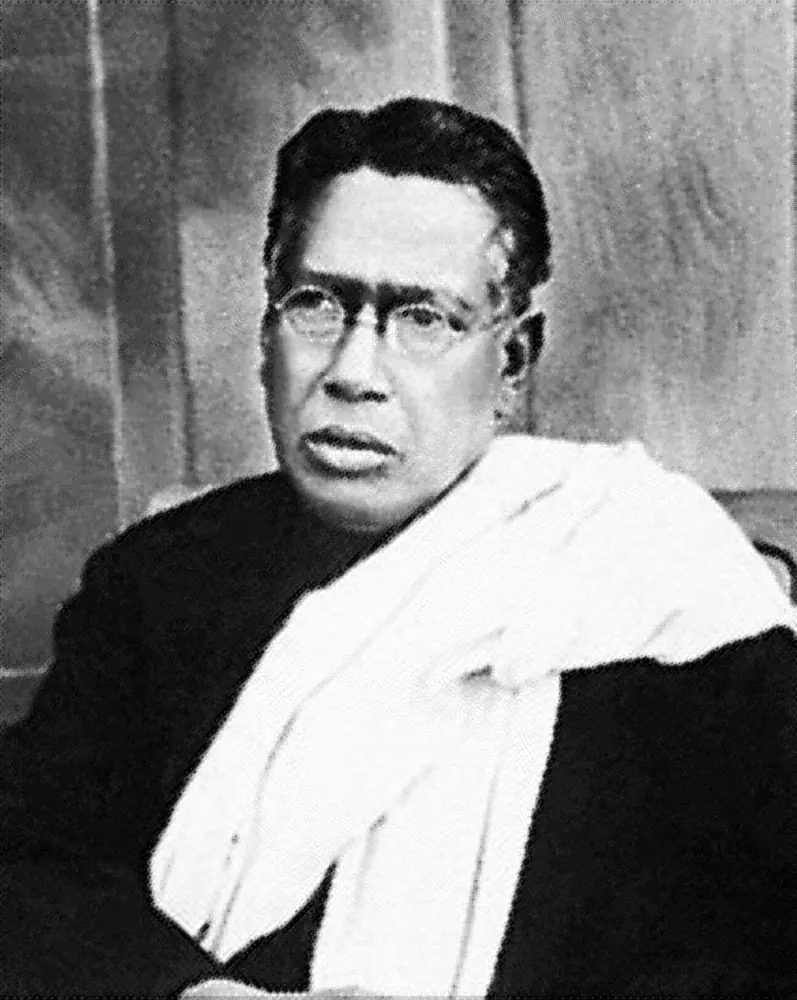
01From Sylhet to Swadeshi
He was born at Poil in Habiganj, Sylhet (now in Bangladesh), and joined the Brahmo Samaj as a young man. He worked as a teacher, librarian and journalist. In 1901 he started the weekly New India. When Curzon partitioned Bengal in 1905, Pal’s speeches drew crowds wherever he went, and he set out the programme of the new movement: boycott of British goods, swadeshi industry, national education and swaraj. In August 1906 he founded the English daily Bande Mataram, and Sri Aurobindo soon joined him as its editor.
02Prison and later years
In 1907 the government prosecuted Bande Mataram for sedition and called Pal as a witness against Aurobindo. He refused to give evidence and was jailed for six months. From 1908 to 1911 he lived in England and ran the journal Swaraj. In The Soul of India (1911) he wrote of Bharat as a living whole with its own genius. In the 1920s he disagreed with the Non-Cooperation programme and withdrew from active politics. He died in Calcutta on 20 May 1932. His memoir is Memories of My Life and Times.