01The French town
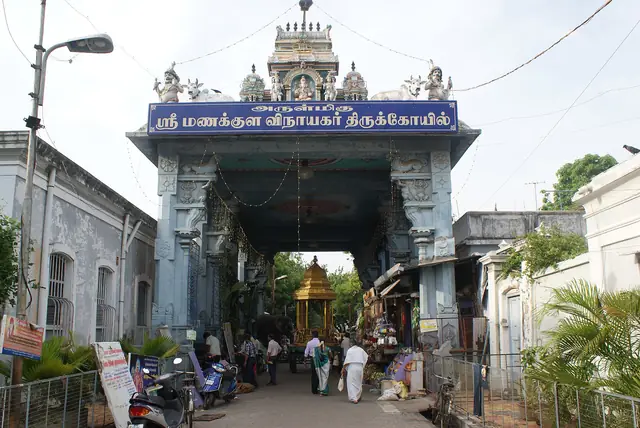
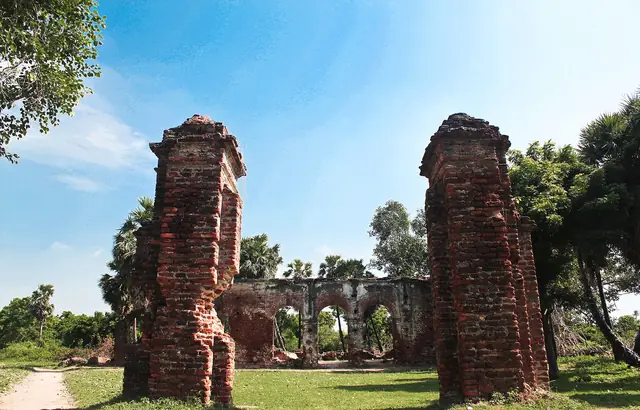
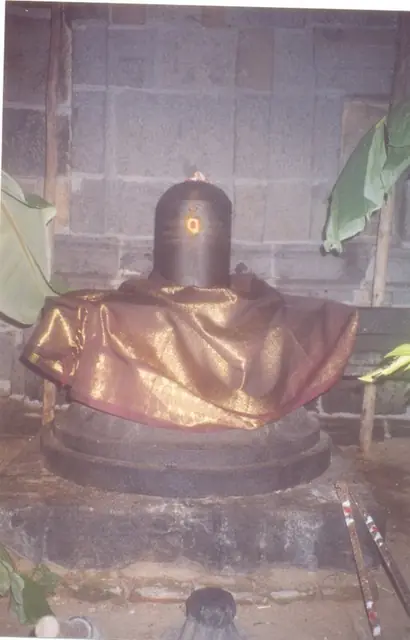
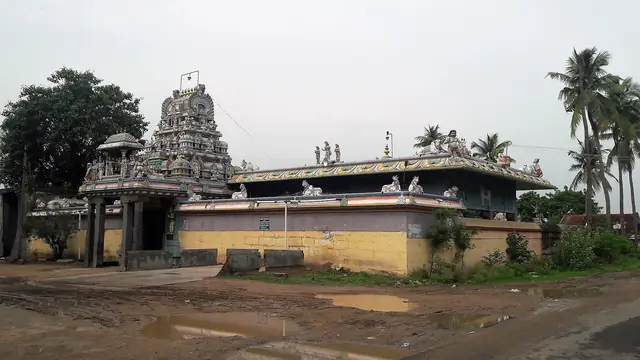
Two kilometres south of the town, at Arikamedu, Roman amphorae and Tamil-Brahmi potsherds show that ships traded here two thousand years ago. In 1674 François Martin set up a French factory, and under Dupleix in the 1740s Pondicherry became the base of a French bid for the south. The British took and razed it in 1761 and handed it back more than once; it stayed French until 1954, its grid of streets by the sea, the Ville Blanche, divided by a canal from the Tamil town. Its temples, the Manakula Vinayagar by the sea and the old Vedapureeswarar, are older than the French.
02Bharati and Aurobindo
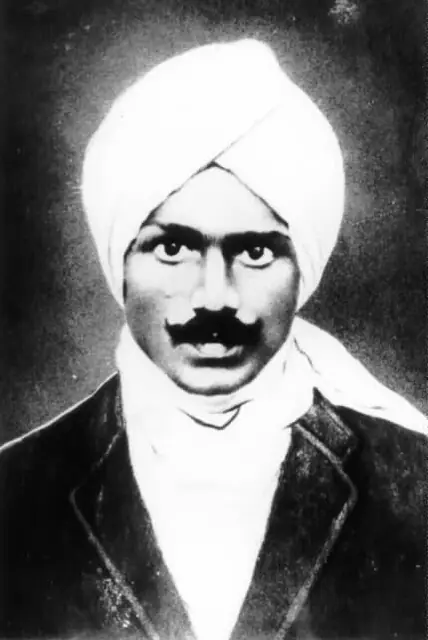
Because British police could not arrest anyone on French soil, Pondicherry became a refuge. Subramania Bharati, wanted for his writing in the paper India, crossed over in 1908 and stayed ten years, poor and watched; here he wrote Kuyil Pattu, Panchali Sabatham and the Kannan Pattu. His house on Eswaran Koil Street is now a museum. On 4 April 1910 Sri Aurobindo arrived by boat from Chandernagore, gave up politics for yoga, and in 1926, with the Mother, founded the ashram that still fills the White Town. Pondicherry joined India in fact on 1 November 1954 and in law in 1962.
The life of this place
- 1674François Martin founds the French settlement.
- 1761The British capture Pondicherry and raze its fortifications.
- 1908–1918Subramania Bharati lives here in political exile.
- 4 April 1910Sri Aurobindo arrives at Pondicherry.
- 1 November 1954De facto transfer of the French settlements to India.