01Mhow to Columbia and London
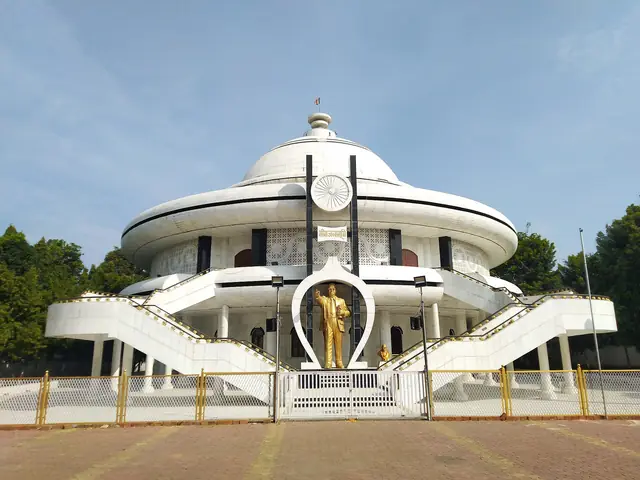
Bhimrao Ramji Ambedkar was born at Mhow cantonment, the fourteenth child of Subedar Ramji Sakpal, of the Mahar community of Ratnagiri district. At school he was made to sit apart and could not touch the water pot. With a scholarship from the Gaekwad of Baroda he went to Columbia University, New York, taking an MA in 1915 and later a PhD, and then to the London School of Economics, which gave him a DSc in 1923; he was also called to the bar at Gray’s Inn. Back in Bombay he started the paper Mooknayak in 1920 and founded the Bahishkrit Hitakarini Sabha in 1924.
02Mahad, Kalaram and Poona
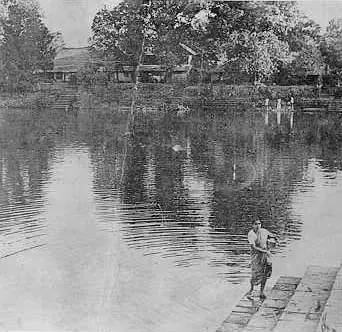
On 20 March 1927 he led the Mahad satyagraha, drinking from the Chavdar tank that untouchables were barred from using, and on 25 December 1927 at Mahad he publicly burned the Manusmriti. From March 1930 he led the satyagraha for entry into the Kalaram temple at Nashik. At the Round Table Conferences he asked for separate electorates for the Depressed Classes, granted in the Communal Award of 1932; Gandhi fasted against it, and on 24 September 1932 the two signed the Poona Pact, giving reserved seats in joint electorates instead. In 1935 at Yeola he announced that he would not die a Hindu. He founded the Independent Labour Party in 1936, wrote Annihilation of Caste the same year, and in Who Were the Shudras? (1946) rejected the theory that the Aryans came into India as invaders.
03The Constitution and Deekshabhoomi
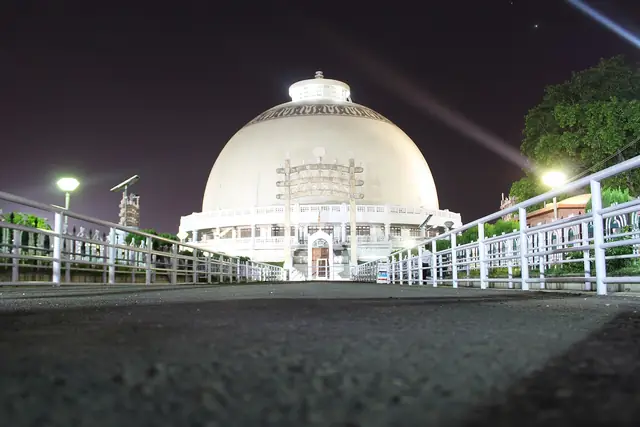
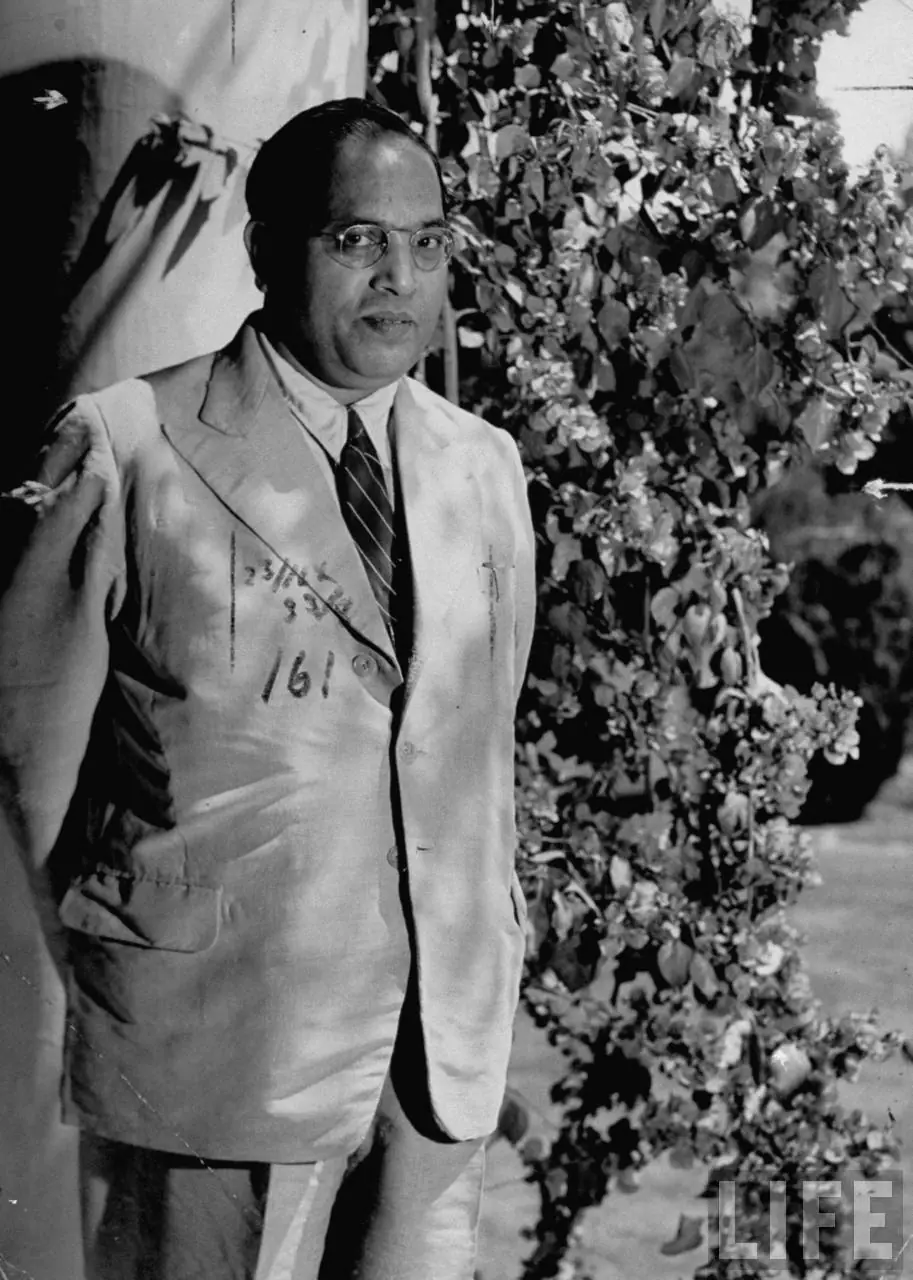
He was Labour Member of the Viceroy’s Executive Council from 1942 to 1946. On 29 August 1947 the Constituent Assembly made him chairman of the Drafting Committee, and he piloted the draft through the Assembly until its adoption on 26 November 1949. As Law Minister in the first cabinet he resigned in September 1951 when the Hindu Code Bill was held back. On 14 October 1956, at Nagpur, he and his wife took Buddhist diksha and then administered it, with twenty-two vows, to lakhs of followers on the ground now called Deekshabhoomi. He died in Delhi on 6 December 1956. His last book, The Buddha and His Dhamma, appeared in 1957. He was given the Bharat Ratna in 1990.