01Kheda and Bardoli
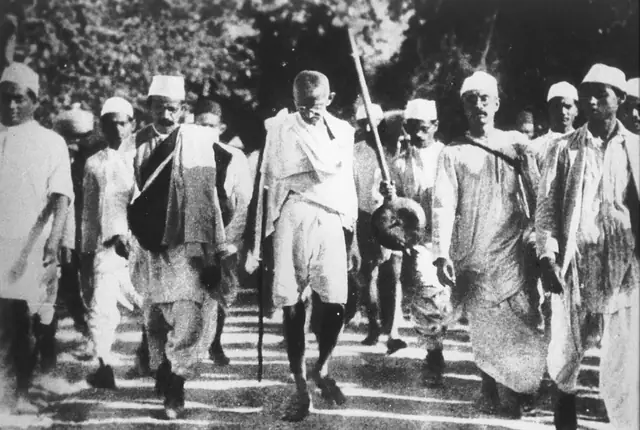
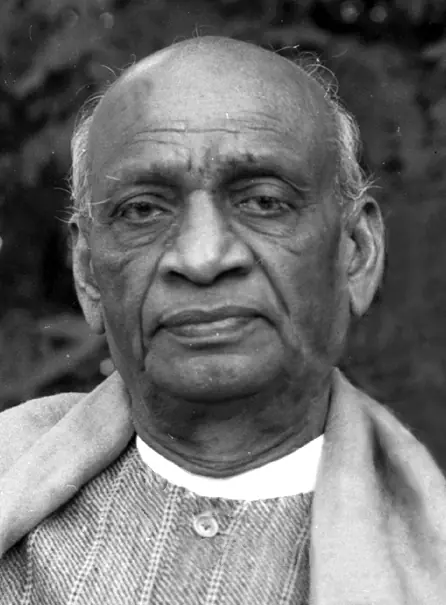
He was born at Nadiad in a Leva Patidar farming family of Karamsad, studied law at the Middle Temple and came back in 1913 a successful barrister in Ahmedabad, playing bridge at the club and laughing at Gandhi. In 1918 he joined Gandhi in the Kheda no-tax campaign and gave up his practice. In 1928 he led the farmers of Bardoli taluka against a 22 per cent rise in land revenue. The government seized land and cattle; the villages held firm for months, and the increase was cut. It was the women of Bardoli who first called him Sardar. He presided over the Karachi Congress of 1931 and spent 1942–45 in Ahmednagar Fort after Quit India.
02Uniting the princely states
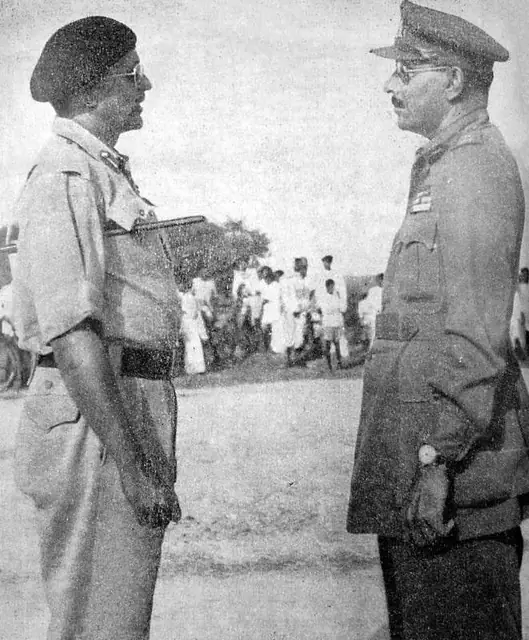
In August 1947 he became Deputy Prime Minister and Home Minister, and took charge of the new States Ministry with V. P. Menon as its secretary. By persuasion, the Instrument of Accession and, where needed, firmness, more than 560 princely states joined India, most of them before 15 August 1947. Junagadh, whose Nawab had acceded to Pakistan, was taken over and a plebiscite in February 1948 went for India. Hyderabad was brought in by Operation Polo, the police action of 13–18 September 1948. He also defended the all-India services, the IAS and IPS, in the Constituent Assembly as the frame that would hold the country together.
03Somnath and the Statue of Unity
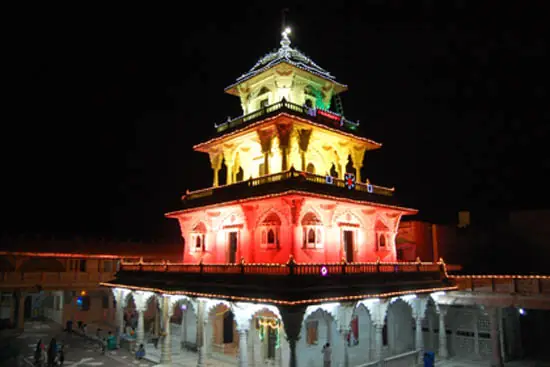
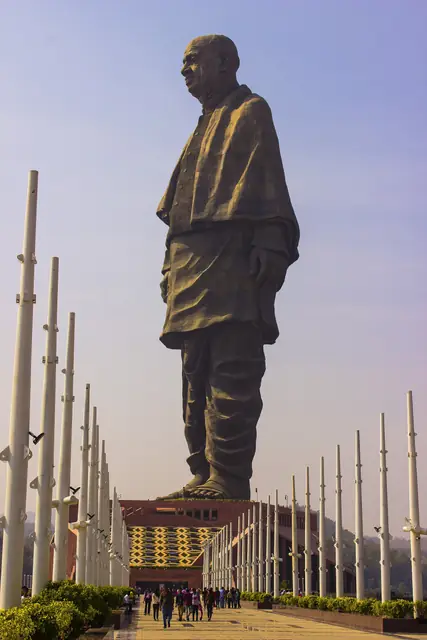
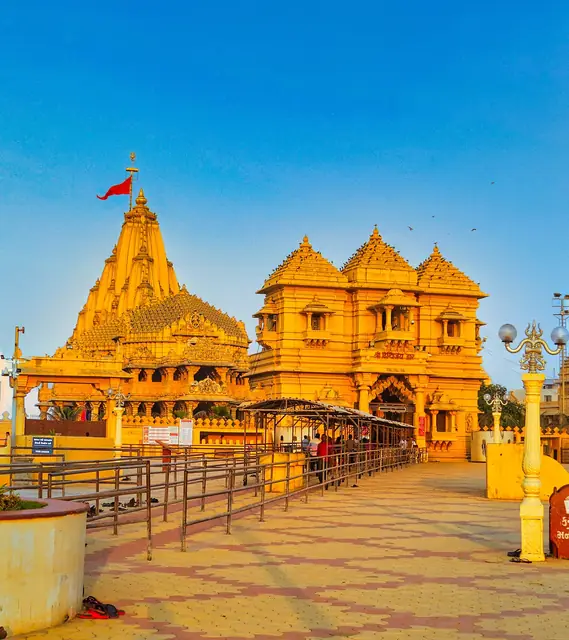
On 13 November 1947, standing amid the ruins of the Somnath temple at Prabhas Patan, he announced that it would be rebuilt; with K. M. Munshi he set the work going, and the new jyotirlinga was installed in May 1951, five months after his death. He died in Bombay on 15 December 1950. He was given the Bharat Ratna in 1991. The Statue of Unity, 182 metres tall, was unveiled near the Sardar Sarovar dam in Gujarat on his birthday in 2018, and 31 October is kept as Rashtriya Ekta Diwas.