01Kalighat to Fort William
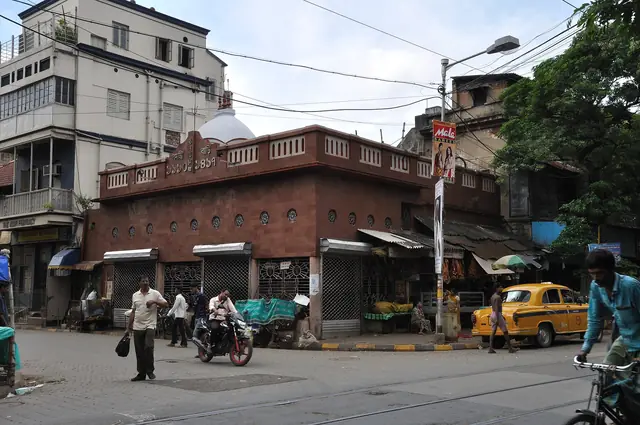
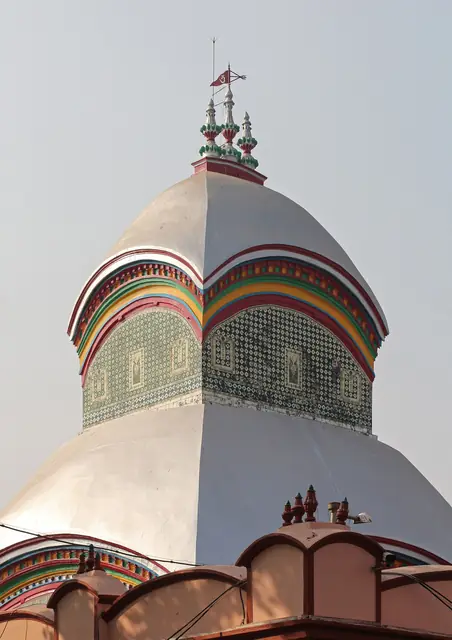
Kalikata, one of three villages on the east bank of the Hooghly, took its name from the Kali shrine at Kalighat on the old course of the Ganga. Job Charnock’s Company men settled at Sutanuti in August 1690, and in 1698 the Company bought the rights to the three villages from the Sabarna Roy Choudhury family. Siraj-ud-Daulah took the town in June 1756; Clive retook it in January 1757 and won Plassey that June. From 1772 Calcutta was the Company’s capital, and from 1858 the capital of British India, until the move to Delhi was announced in December 1911.
02The renaissance city
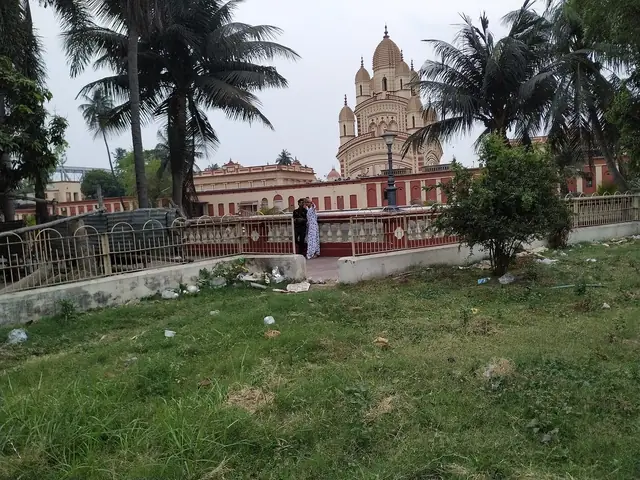
Here Raja Ram Mohan Roy founded the Brahmo Sabha in 1828, Ishwar Chandra Vidyasagar taught at the Sanskrit College, and Ramakrishna Paramahamsa served the Devi at Dakshineswar, upriver. Narendranath Datta, later Swami Vivekananda, was born in north Calcutta on 12 January 1863. Bankim Chandra’s Vande Mataram, published in Anandamath in 1882, became the cry of the city when Curzon partitioned Bengal in 1905; Bipin Chandra Pal and Aurobindo carried the Swadeshi and boycott campaign from its streets. Syama Prasad Mookerjee was born here in 1901 and became the youngest vice-chancellor of Calcutta University. The city took the name Kolkata officially in 2001.
The life of this place
- August 1690Job Charnock’s men settle at Sutanuti.
- 1698The Company acquires the three villages.
- June 1756Siraj-ud-Daulah takes Calcutta.
- January 1757Clive retakes the town.
- 1905Partition of Bengal; the Swadeshi movement begins.
- December 1911The capital’s move to Delhi is announced.