01Calcutta University and Bengal
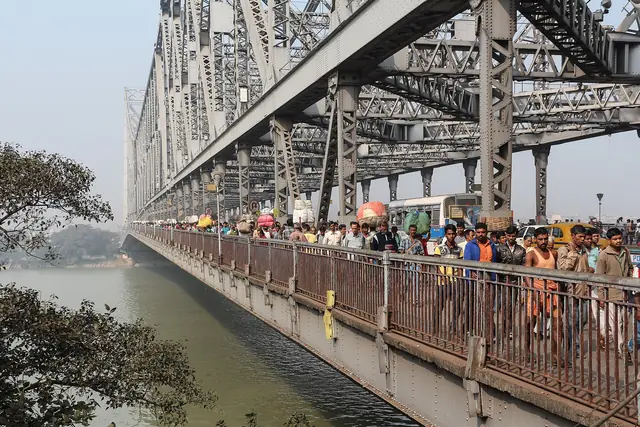
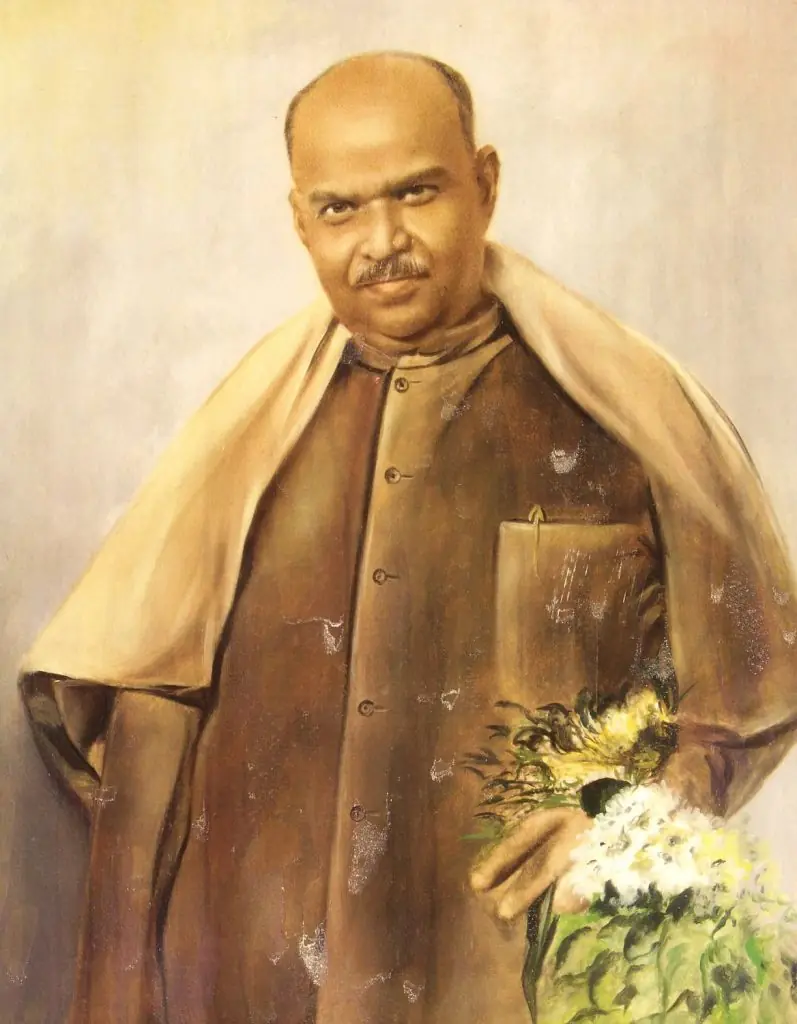
He was born in Calcutta, the son of Sir Ashutosh Mookerjee, the great Vice-Chancellor of Calcutta University. He took his degrees in Calcutta and was called to the bar at Lincoln’s Inn in 1927. In 1934, at thirty-three, he became the youngest Vice-Chancellor the university had had, and served until 1938; he introduced Bengali as a medium of examination. He entered the Bengal Legislative Council in 1929, joined the Hindu Mahasabha, and was Finance Minister of Bengal in Fazlul Huq’s ministry in 1941–42. During the famine of 1943 he organised relief, and in 1946–47 he campaigned for the partition of Bengal so that its Hindu-majority districts would remain in India as West Bengal.
02Minister, Jana Sangh and Kashmir
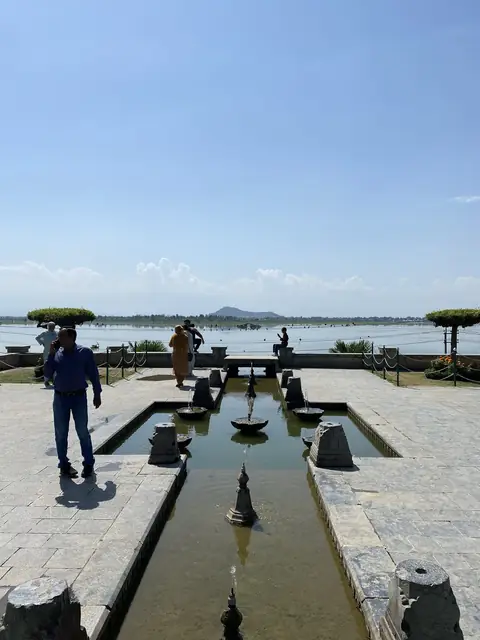
In August 1947 he joined the first cabinet as Minister for Industry and Supply. He resigned in April 1950 in protest against the Nehru–Liaquat Pact on minorities, which he held left the Hindus of East Bengal unprotected. On 21 October 1951 in Delhi he founded the Bharatiya Jana Sangh and was elected to the first Lok Sabha in 1952. He opposed the separate status of Jammu and Kashmir under Article 370 and the permit needed to enter the state, with the slogan ‘Ek desh mein do vidhan, do pradhan aur do nishan nahin chalenge’. He entered the state without a permit and was arrested on 11 May 1953. He died in detention in Srinagar on 23 June 1953.