01Kala Pani
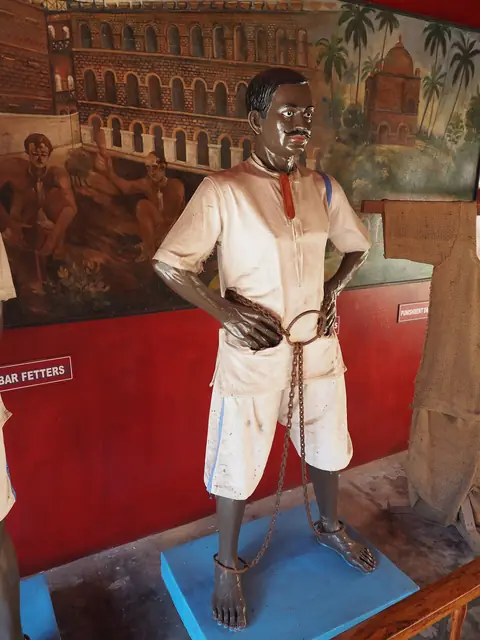
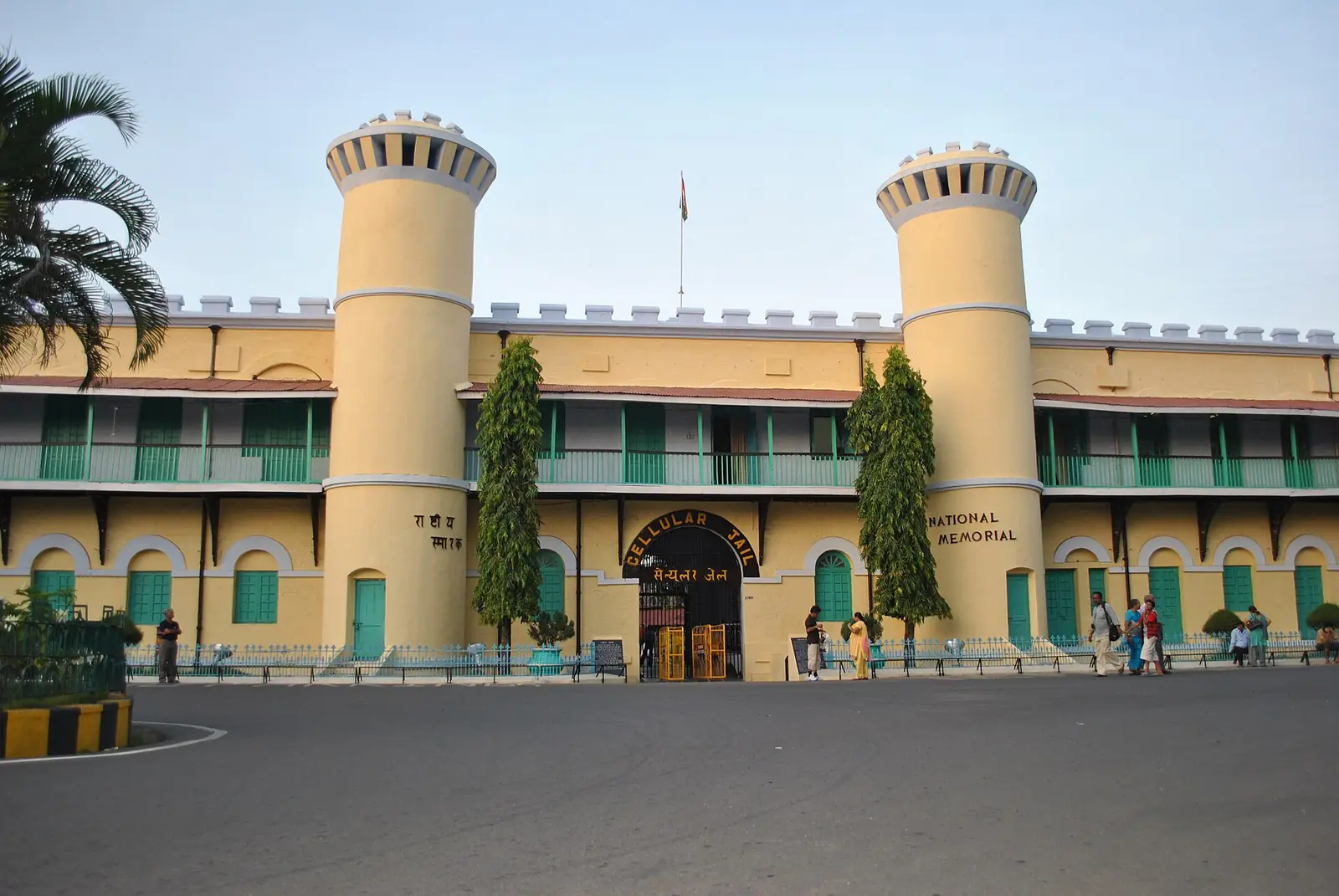
The harbour takes its old name from Lieutenant Archibald Blair, who surveyed it in 1789. After the war of 1857 the British needed a place to send the rebels they had not hanged, and on 10 March 1858 the first batch of some two hundred prisoners landed. Many died of fever and hunger in the first years. Between 1896 and 1906 the Cellular Jail was built: seven wings of three storeys radiating from a central tower, nearly seven hundred solitary cells, so that no prisoner could see another. Its inmates included the Savarkar brothers, Barindra Kumar Ghose, Ullaskar Dutt and many of the Ghadar and Bengal revolutionaries; prisoners were yoked to oil mills, and hunger strikes in 1933 cost Mahavir Singh his life.
02Netaji’s flag
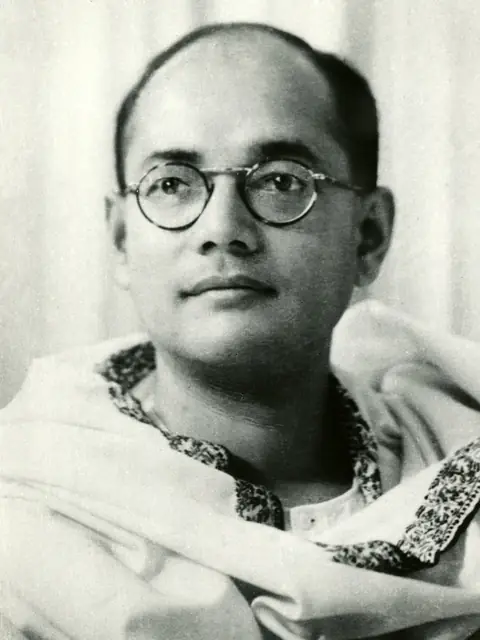
Japan occupied the islands in March 1942. In late 1943 they were handed nominally to the Azad Hind government, and on 30 December 1943 Subhas Chandra Bose hoisted the tricolour at the Gymkhana ground in Port Blair, the first Indian soil his government held; he named the Andamans Shaheed and the Nicobars Swaraj. The islands returned to British rule in October 1945. In 1979 the surviving wings of the Cellular Jail were declared a national memorial, and its evening light-and-sound show tells the story of its prisoners. In September 2024 the government of India renamed the town Sri Vijaya Puram.
The life of this place
- 10 March 1858The first prisoners of 1857 land at Port Blair.
- 1896–1906The Cellular Jail is built.
- 30 December 1943Netaji hoists the tricolour at Port Blair.
- 1979The Cellular Jail is declared a national memorial.
- September 2024Port Blair is renamed Sri Vijaya Puram.
The Cellular Jail is closed on Mondays; the light-and-sound show runs in the evening in Hindi and English.