Photo: Aakashaliraza · CC BY-SA 4.0
Excavation · c. 2600–1900 BCE; excavated from 1922

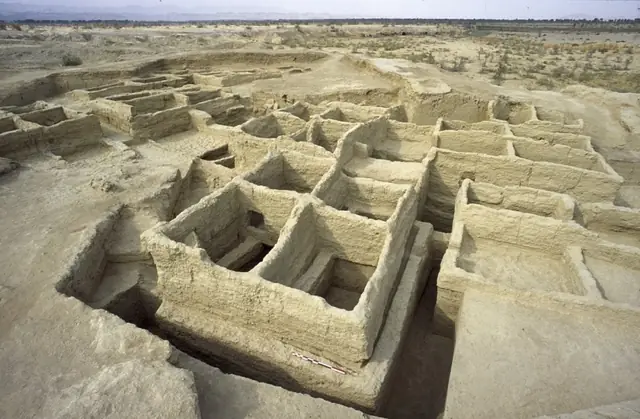
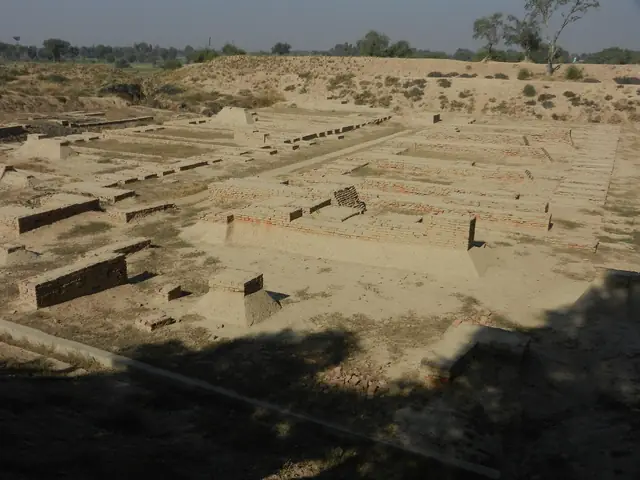
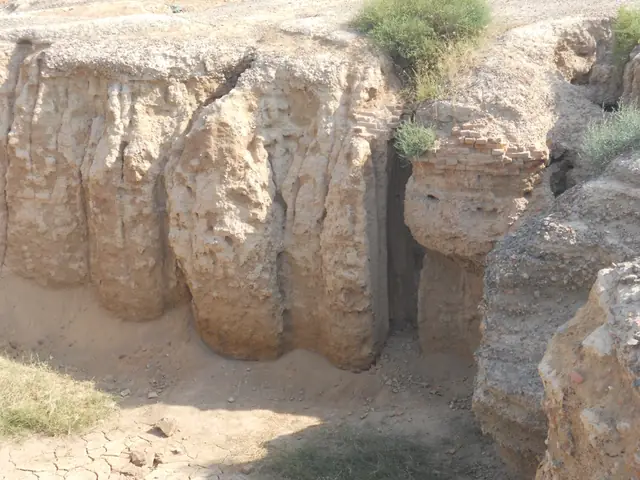
Mohenjo-daro excavations

Found
Larkana district, Sindh (Pakistan), beside the Sindhu; identified by R. D. Banerji in 1922, excavated under John Marshall from 1924
Kept at
In place, a UNESCO World Heritage Site since 1980; finds in the National Museum, New Delhi and the National Museum of Pakistan, Karachi

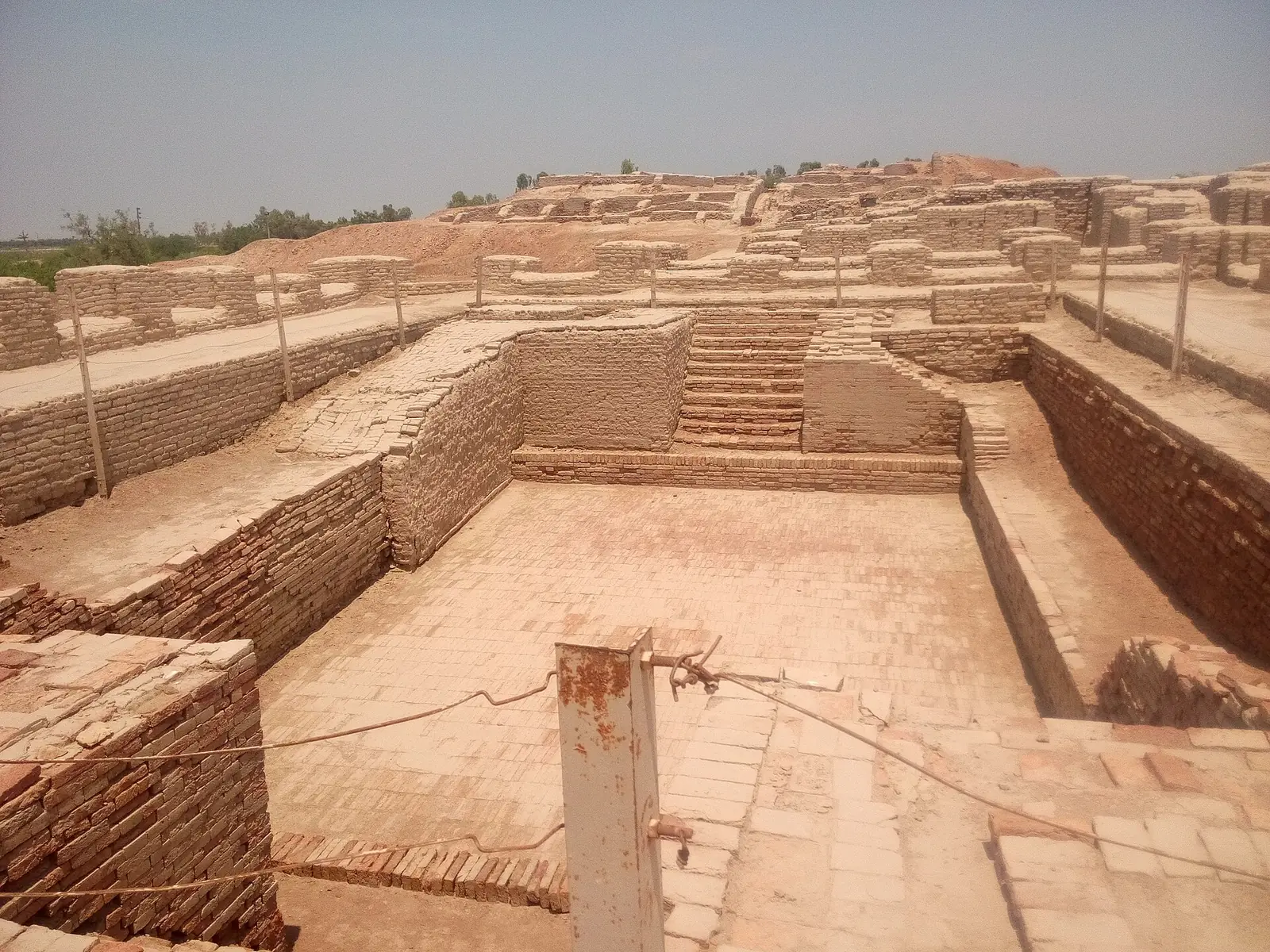
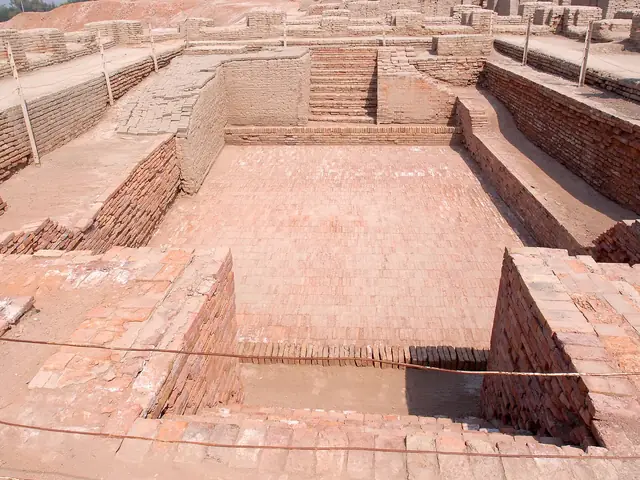
The largest city of the Sindhu valley, laid out in a grid of baked-brick streets with covered drains and a great bath on its citadel.

What it says

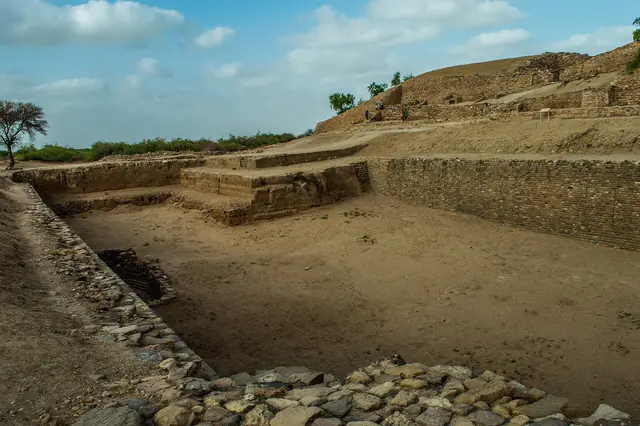
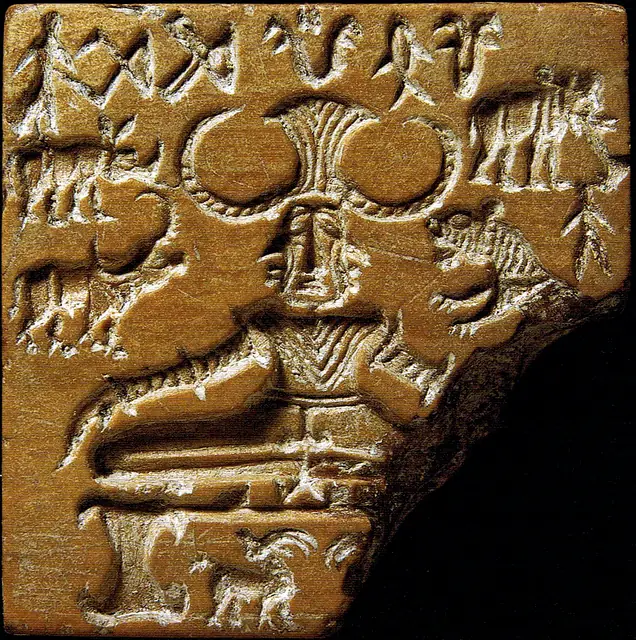
The Great Bath is a brick tank about 12 m by 7 m and 2.4 m deep, made watertight with gypsum mortar and a layer of bitumen, with steps at both ends. Houses had bathrooms and wells. The finds include the steatite bust called the Priest-King, the bronze Dancing Girl, and hundreds of seals, among them the Pashupati seal.

What it proves

It showed in 1924 that Bharat had cities as old as those of Egypt and Mesopotamia, and that ritual bathing stood at the centre of city life.
Evidence for