
01Baroda, Bande Mataram, Alipore
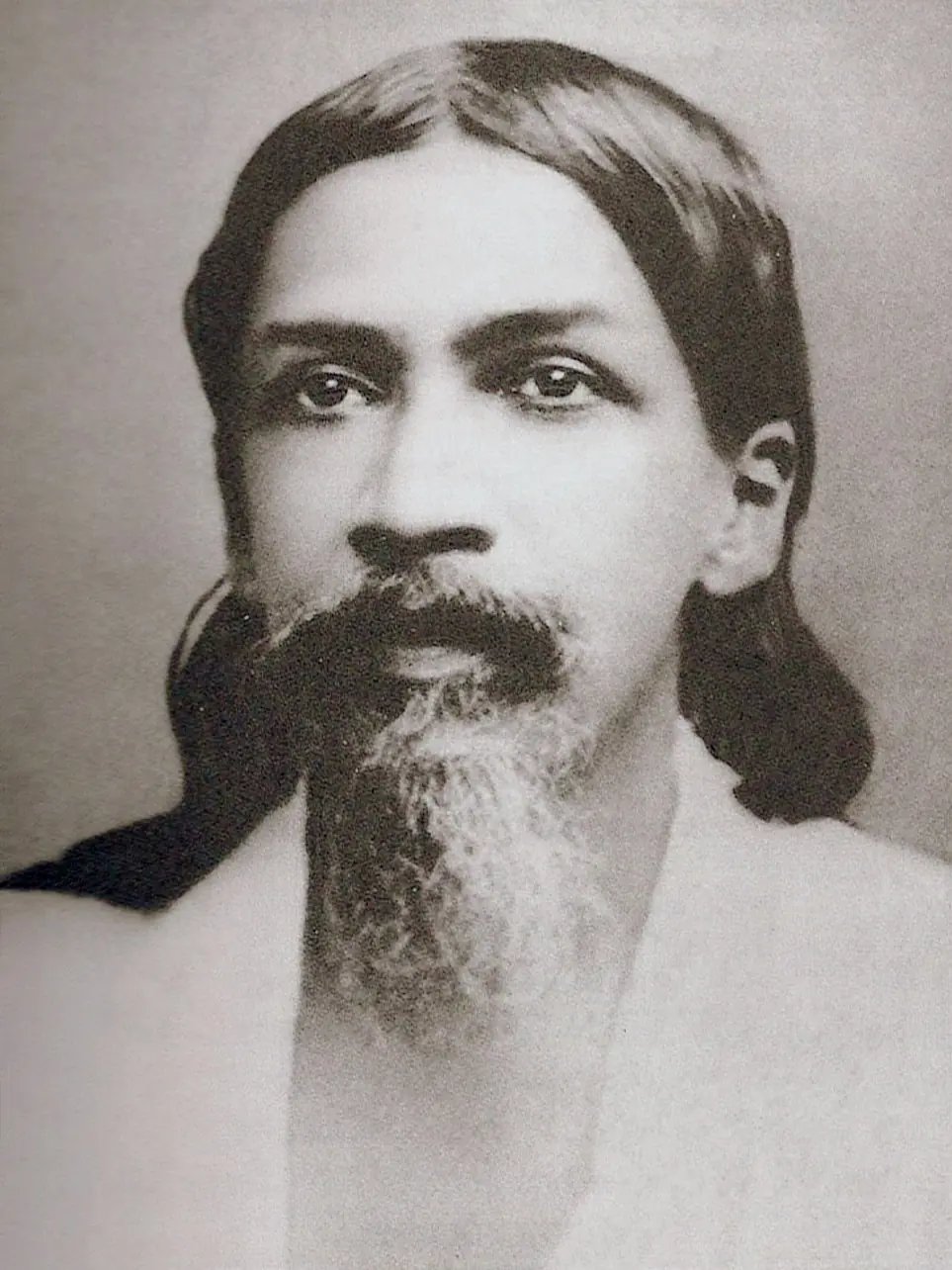
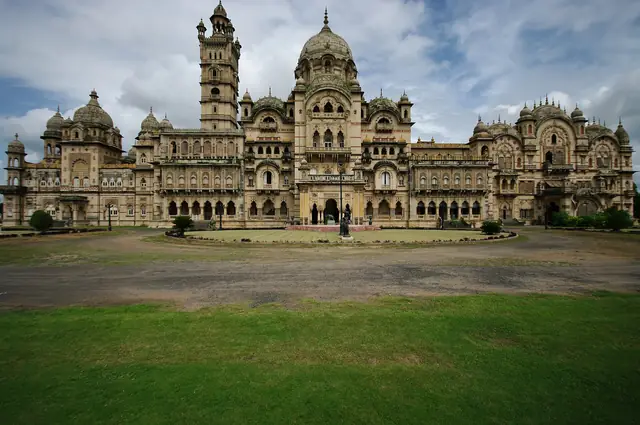
Born in Calcutta on 15 August 1872 and sent to England at seven, he took the classical tripos at King’s College, Cambridge. He came home in 1893 to serve the Gaekwad of Baroda, learned Sanskrit and Bengali, and began writing against the moderate Congress. In 1906 he moved to Calcutta, edited the daily Bande Mataram and stood beside Tilak for complete independence. Arrested on 2 May 1908 in the Alipore bomb case, he spent a year in jail as an undertrial, and there, by his own account, saw Vasudeva in the walls, the bars and the prisoners. C. R. Das won his acquittal in May 1909.
02Pondicherry
On 30 May 1909 at Uttarpara he spoke of what had happened in jail and declared that Sanatana Dharma was for him nationalism. Within a year, guided inwardly, he left British India and reached French Pondicherry on 4 April 1910. There he withdrew into yoga and writing: the journal Arya from 1914, The Life Divine, The Synthesis of Yoga, his commentaries on the Vedas and the Gita, and Savitri, the epic he revised until his death. Mirra Alfassa, the Mother, organised the Sri Aurobindo Ashram from 1926. He died there on 5 December 1950. India became free on his seventy-fifth birthday.
“I say that it is the Sanatan Dharma which for us is nationalism.”
Sri Aurobindo, Uttarpara speech, 30 May 1909