What it says
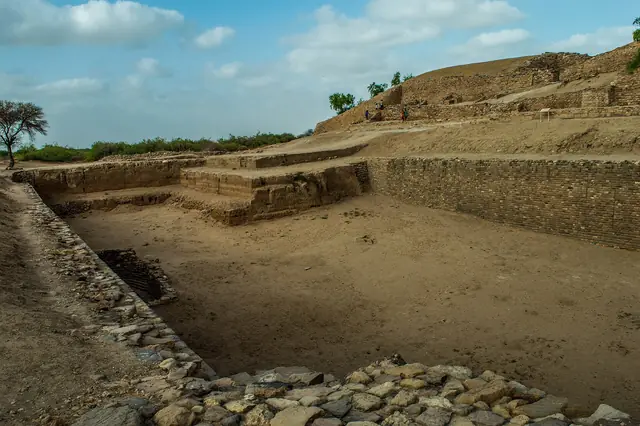
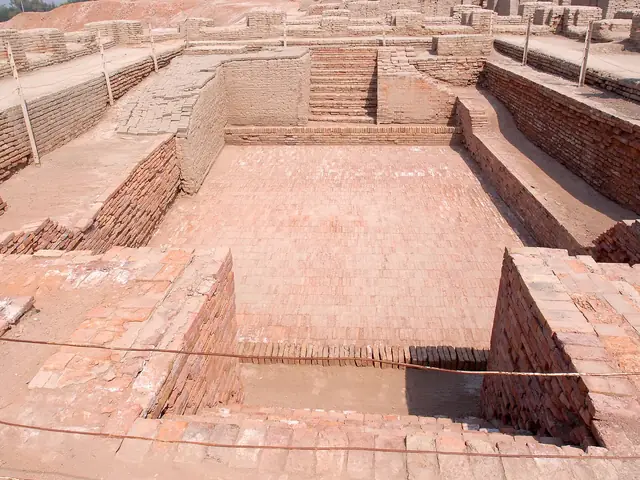
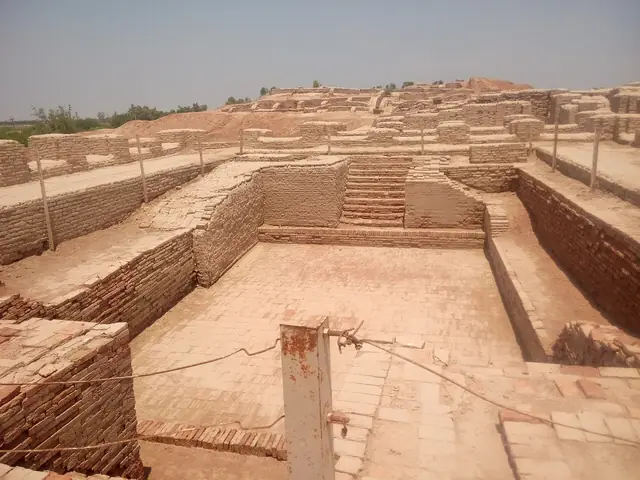
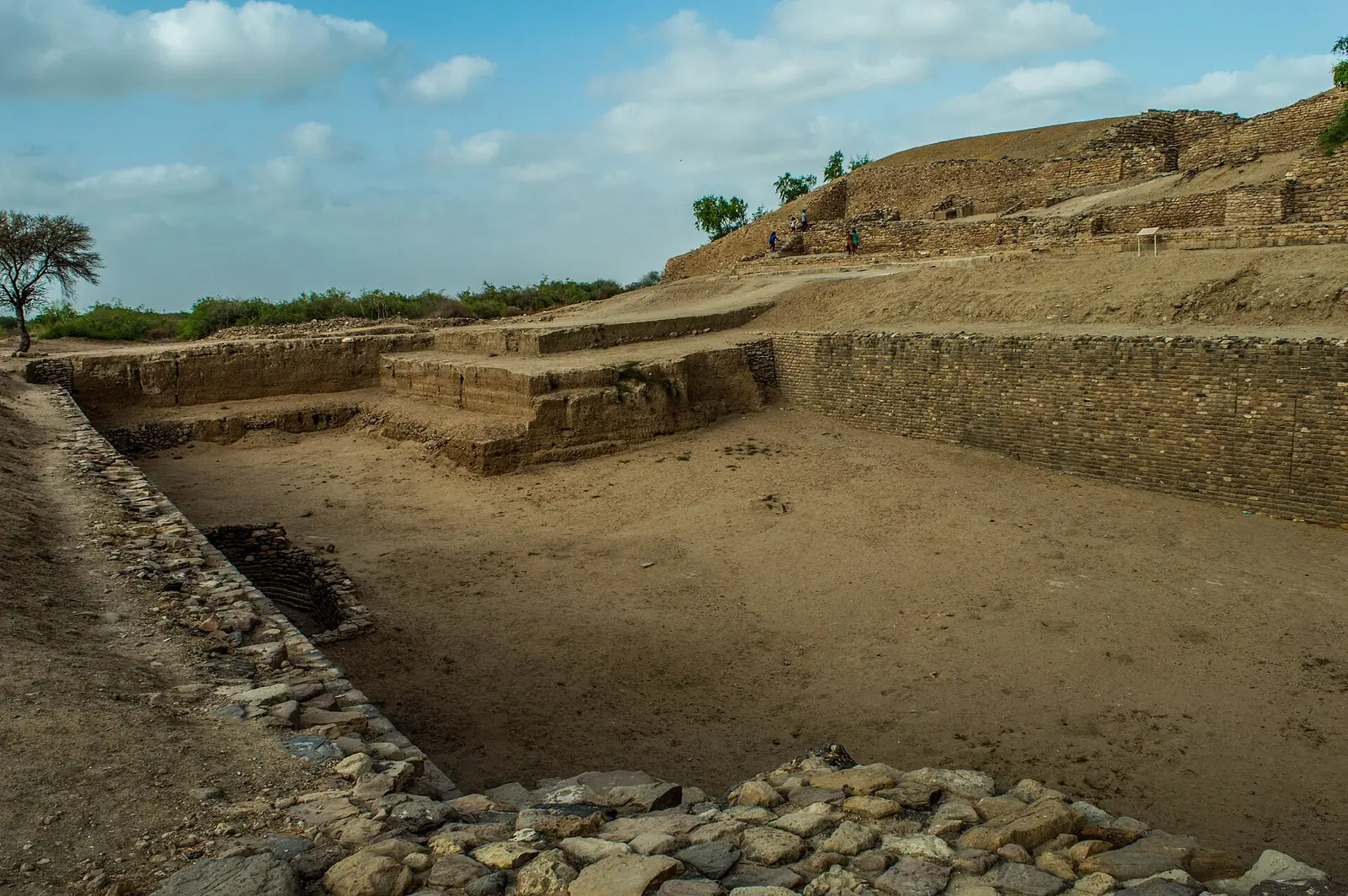
Two streams, the Mansar and the Manhar, were dammed and led by channels into reservoirs set inside the city walls. The largest, on the east, is about 73 m long and 29 m wide, cut deep into the bedrock with steps down to the water. Drains and stone-lined channels connected the citadel, the middle town and the lower town.
What it proves
It is among the oldest planned water-harvesting systems in the world, and the forerunner of Gujarat’s long craft of tanks and stepwells.