What it says
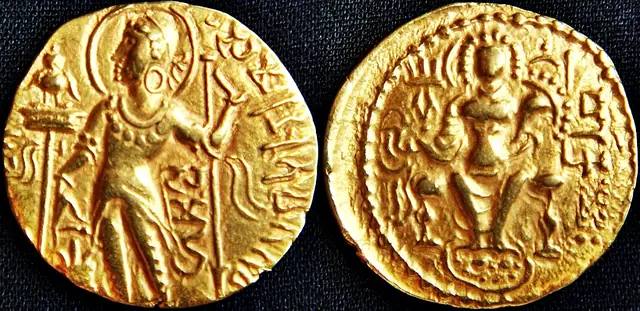
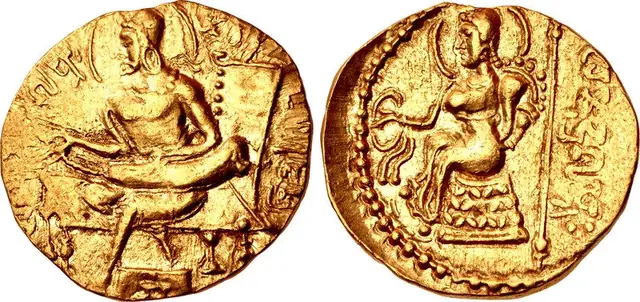
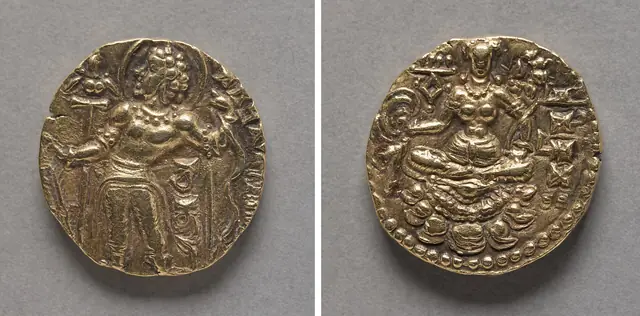
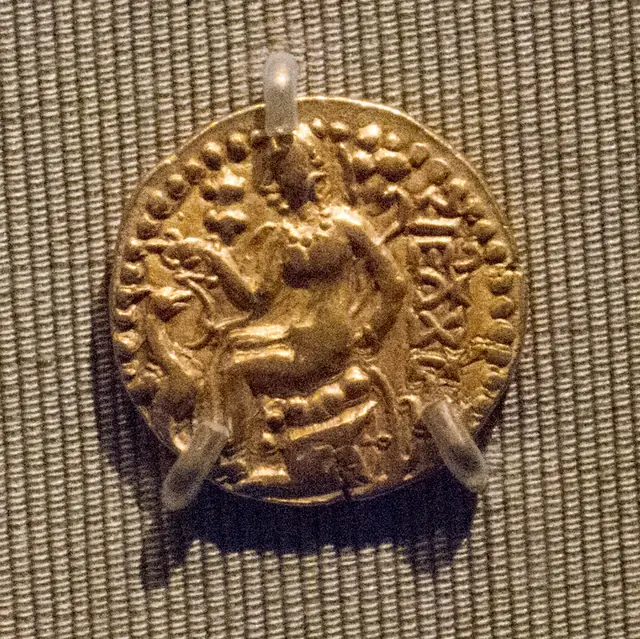
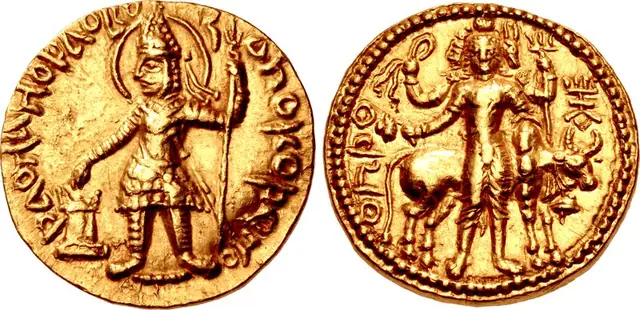
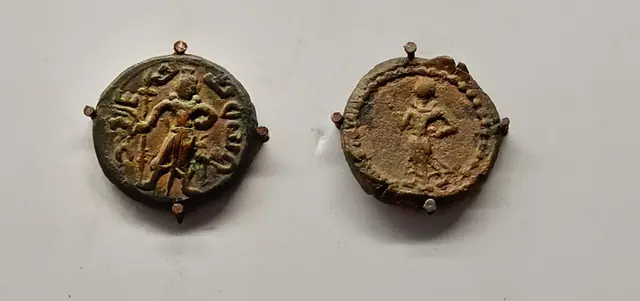
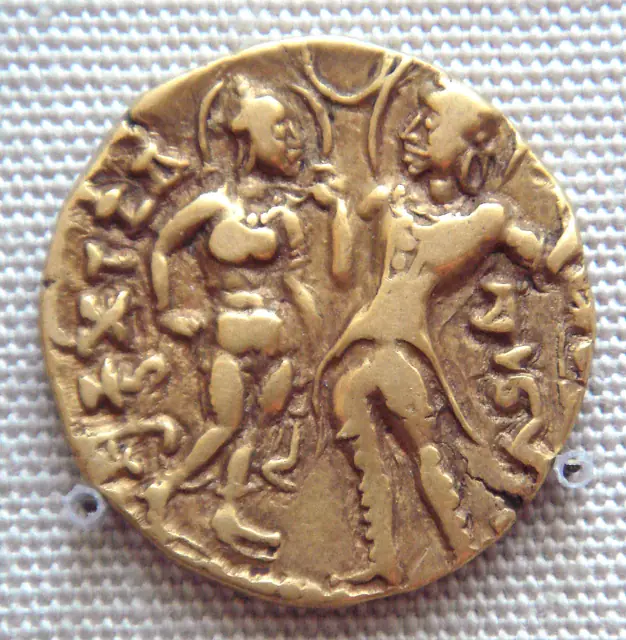
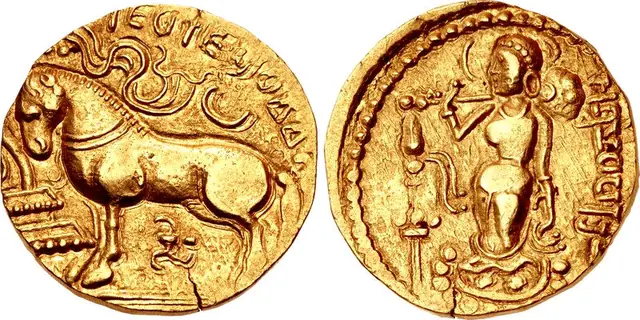
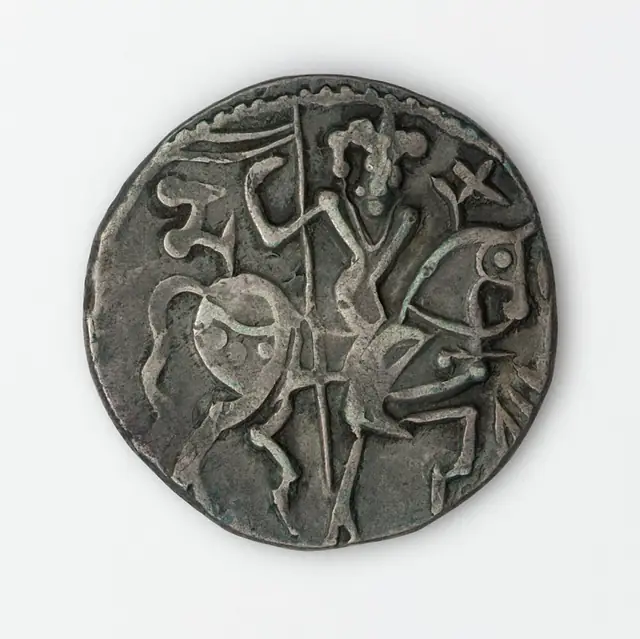
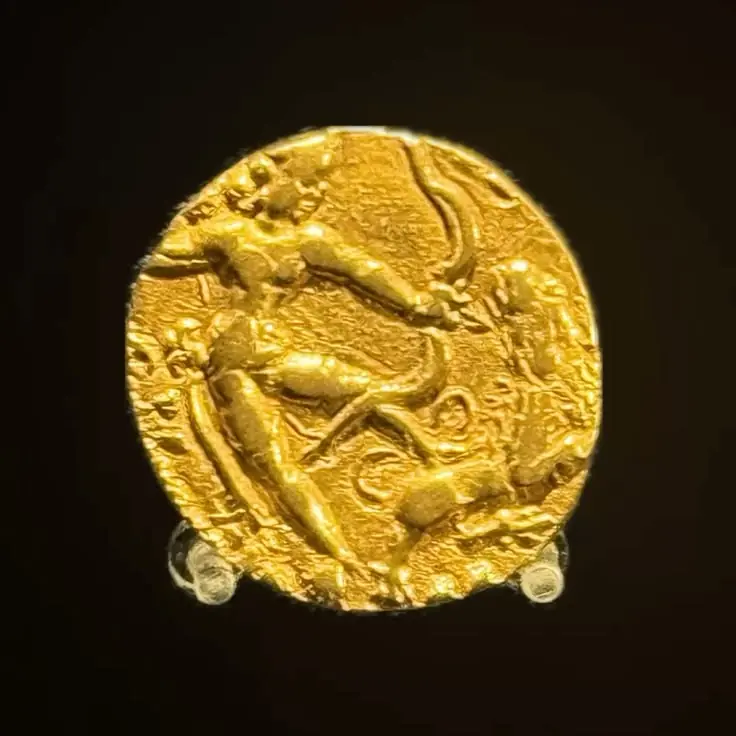
Samudragupta struck the Standard, Archer, Battle-axe, Tiger-slayer, Lyrist and Ashvamedha types; on the Lyrist he sits playing the vina. Chandragupta II added the Lion-slayer and Horseman, and Kumaragupta I a type showing Kartikeya on his peacock. The Garuda standard of the Vaishnava Guptas appears on many. The inscriptions are in Sanskrit verse in Gupta Brahmi. A Sanchi inscription of 412 CE records a gift of 25 dinaras.
What it proves
They record each emperor’s titles, faith and deeds in his own lifetime, and the wealth of Gupta Bharat.