What it says
The main source of ancestry in South Asians today is an old gradient between people related to early hunter-gatherers of Iran and people distantly related to hunter-gatherers of Southeast Asia, the strand geneticists call Ancient Ancestral South Indian; a group of outliers found at sites in Iran and Turkmenistan, read as migrants from the Indus world, carried this mix. Steppe-related ancestry reached the Swat valley and further south in the first half of the second millennium BCE and makes up as much as 30 per cent in some groups today. The authors propose that this movement may have carried Indo-European languages; that proposal is theirs and is debated.
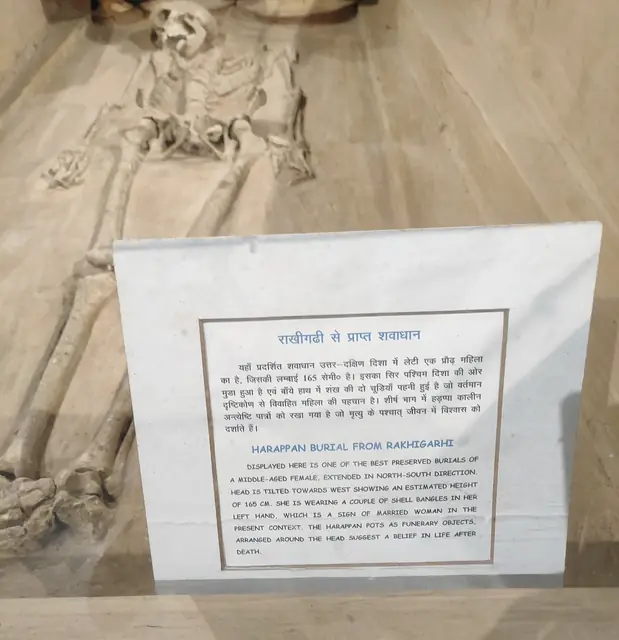
Read with the Rakhigarhi genome, it shows the Harappan population was the largest single source of later Indian ancestry; the steppe strand came later and in part. No ancient sample supports the colonial-era picture of a conquering race replacing the people of Bharat.