What it says
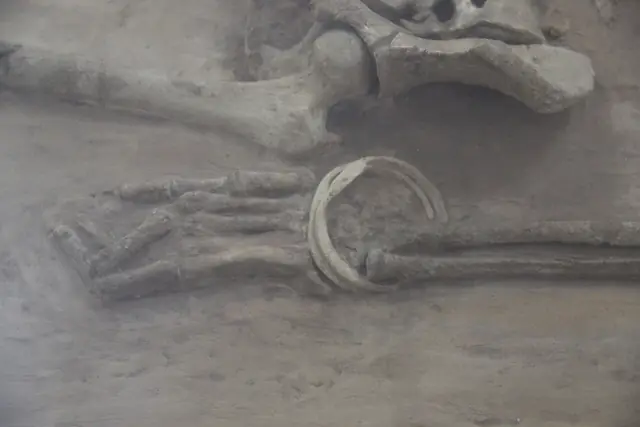
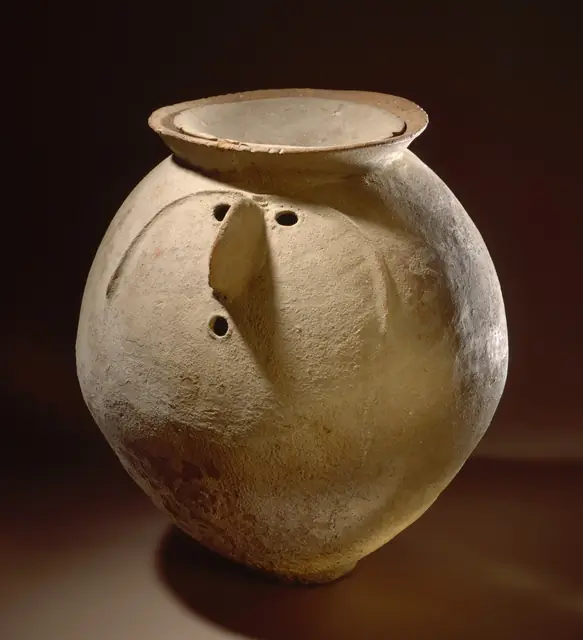
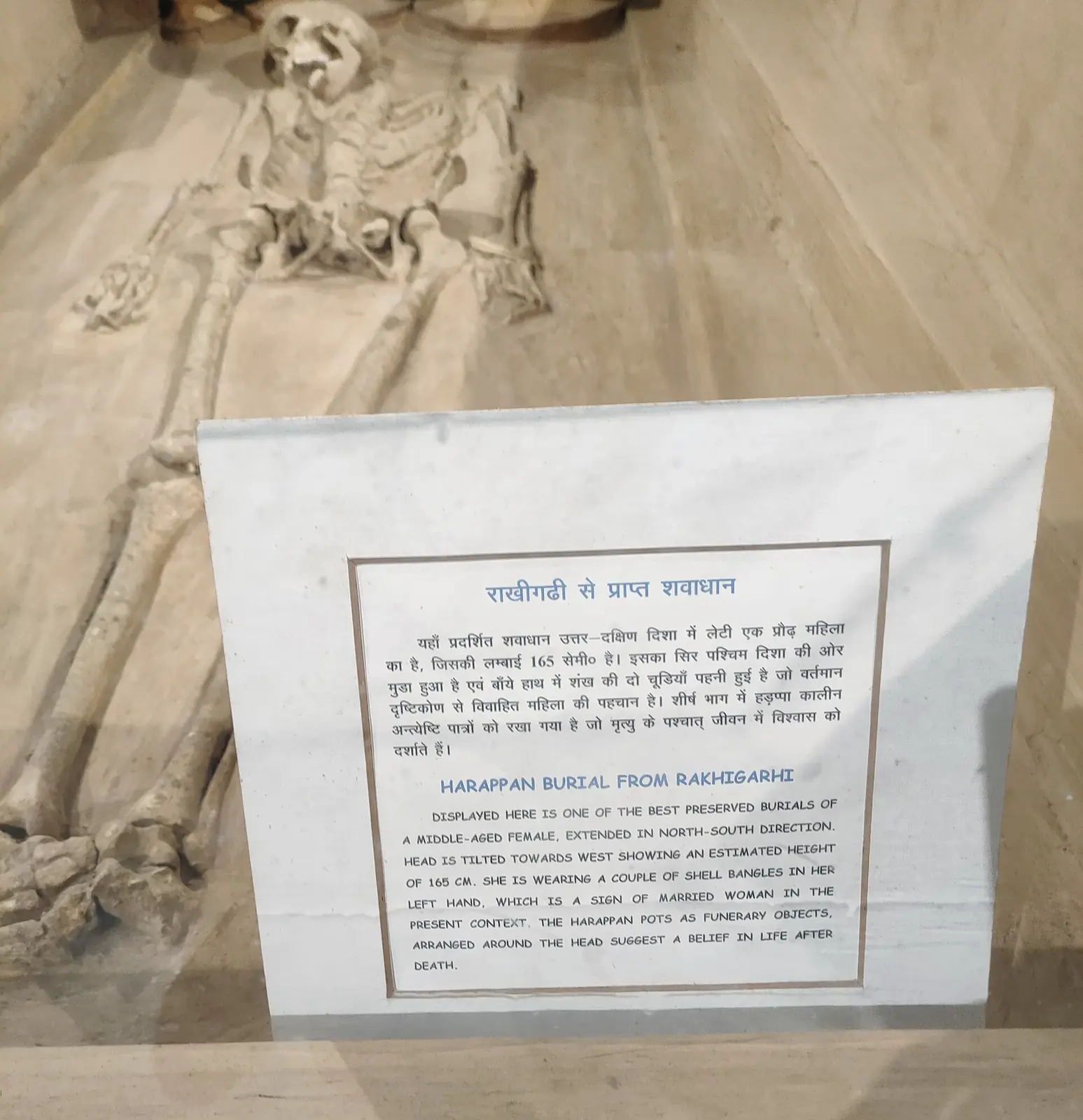
DNA was taken from the inner ear bone of a woman laid in a grave with pots. Her ancestry was a mix of two very old South Asian strands: one related to the early hunter-gatherers and farmers of Iran, split from them before farming began, and one of South Asian hunter-gatherers. She carried no ancestry from the Central Asian steppe and none from the Anatolian farmers.
What it proves
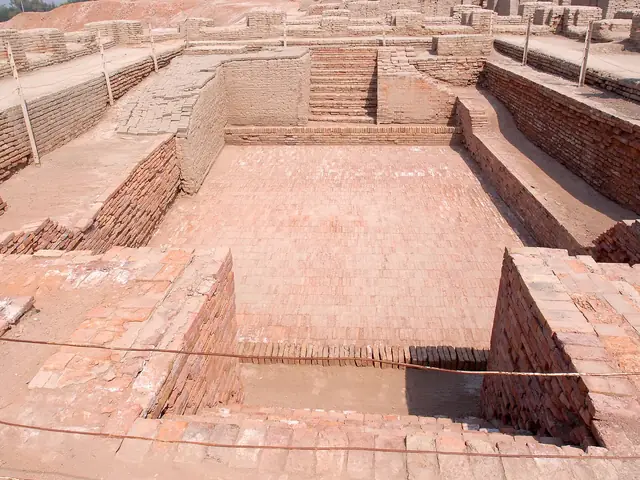
It shows the people of the Harappan cities came from lineages long settled in South Asia, and that farming here grew largely from local people. Most Indians today carry this ancestry.