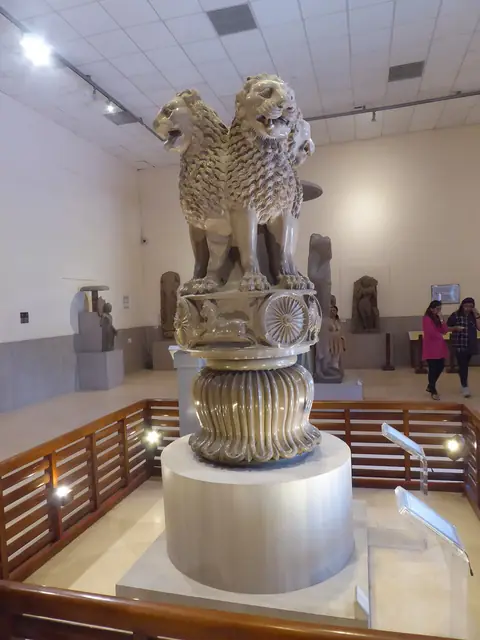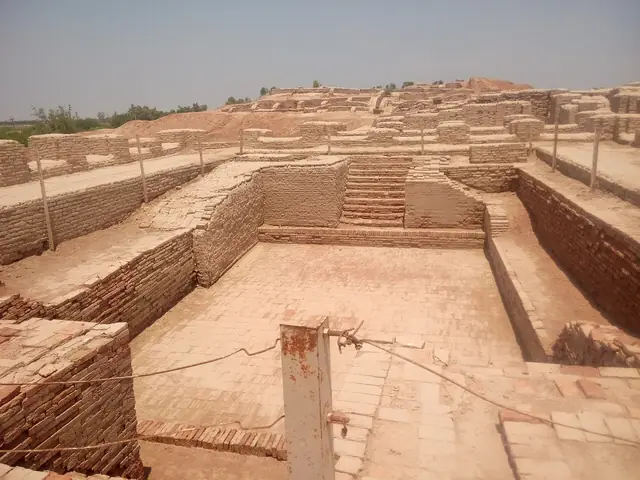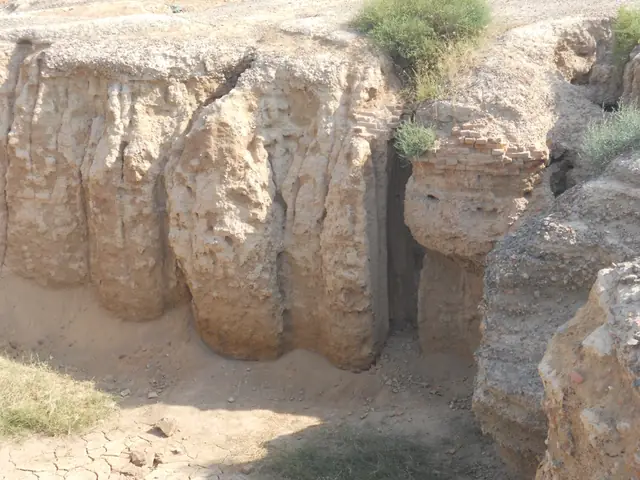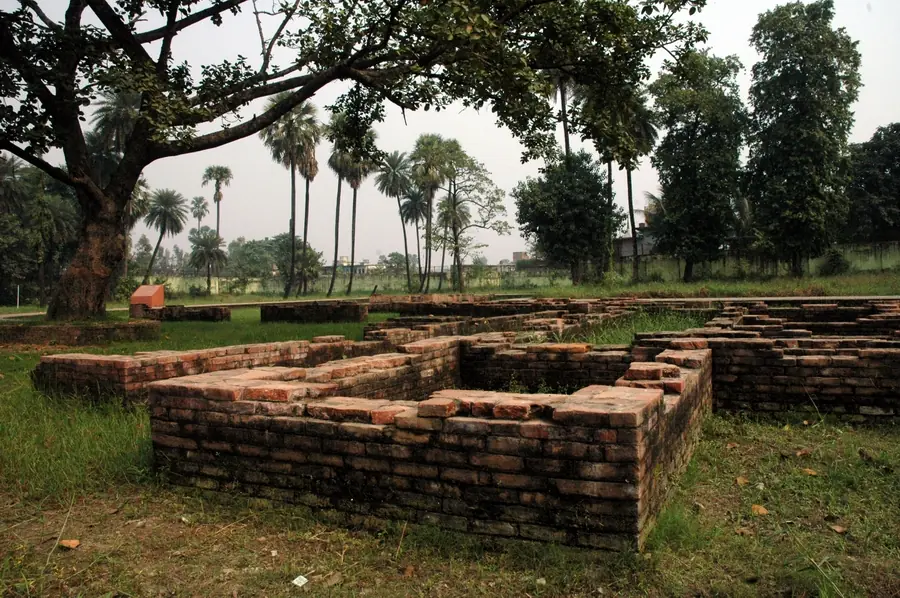
Photo: Manoj nav at en.wiki · Public domain
Excavation · Mauryan, 4th–3rd century BCE; excavated 1912–15 and 1951–55

Excavations at Pataliputra

Found
Kumhrar and Bulandi Bagh, Patna, Bihar; D. B. Spooner dug Kumhrar in 1912–15, A. S. Altekar and Vijayakanta Mishra again in 1951–55
Kept at
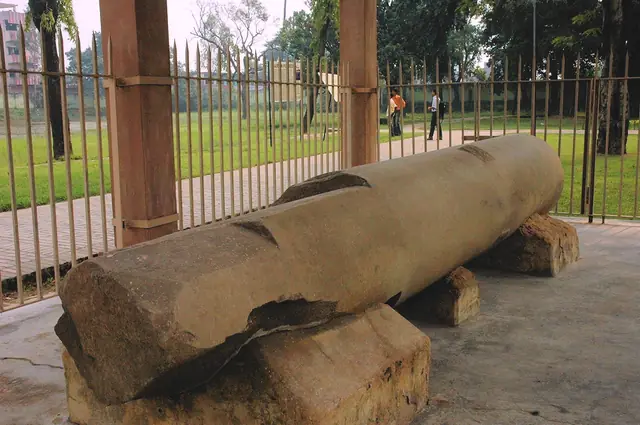
Kumhrar park, Patna (ASI), with a polished pillar fragment on view; finds in the Bihar Museum and Patna Museum

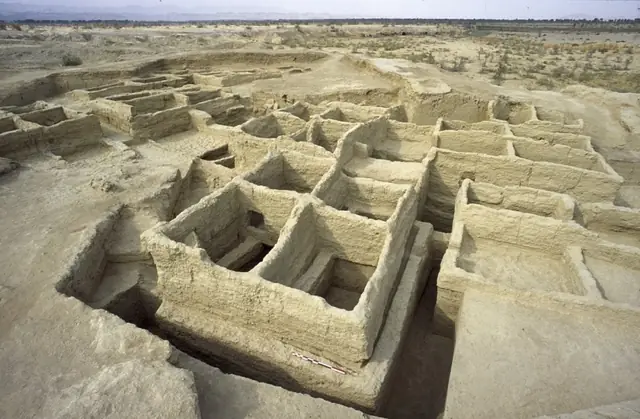
The remains of the Maurya capital under modern Patna: a hall of polished stone pillars and long lines of timber palisade.

What it says

At Kumhrar Spooner found the remains of a great hall that had stood on 80 polished sandstone pillars in rows, of the same finish as Ashoka’s columns. At Bulandi Bagh lines of upright sal timbers were found, part of the wooden wall of the city. Megasthenes, Chandragupta’s Greek envoy, wrote that Palibothra was walled in timber, with 570 towers and 64 gates.

What it proves

It confirms in the ground the Maurya capital that Greek and Indian texts describe.
Evidence for