01Answering the missionaries
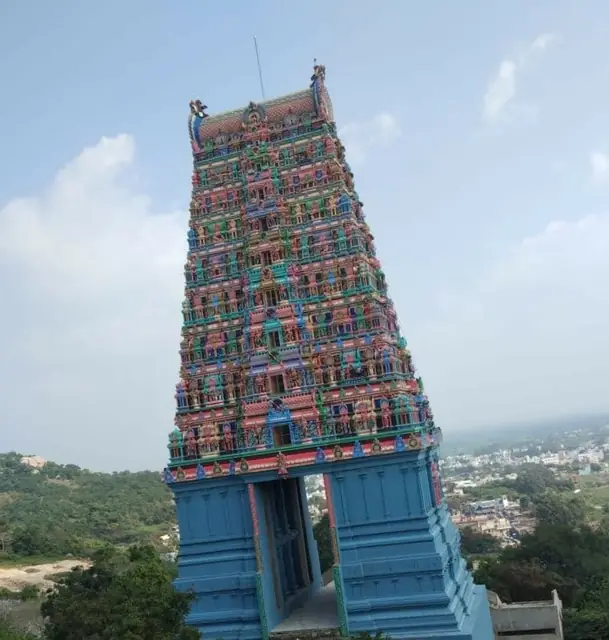
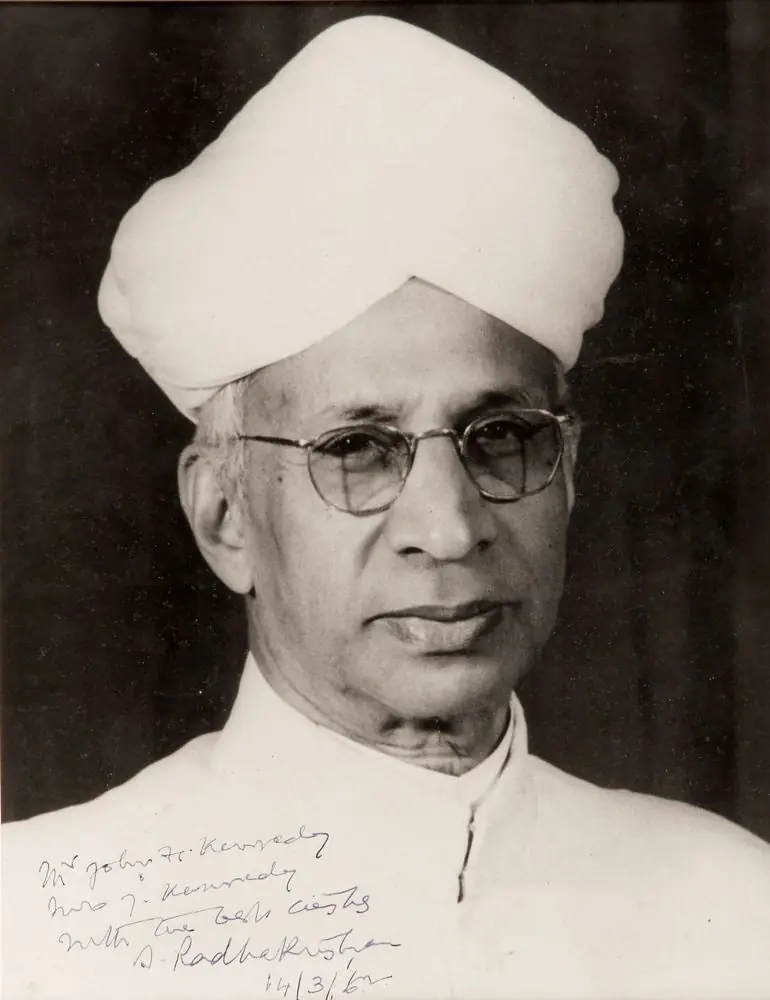
He was born at Tiruttani into a Telugu Brahmin family and studied at Madras Christian College, where his teachers’ criticism of Vedanta stung him into answering it. His MA thesis of 1908 was on the ethics of the Vedanta. He taught at Presidency College, Madras, then at Mysore, and from 1921 held the King George V chair of philosophy at Calcutta. His Indian Philosophy (two volumes, 1923 and 1927) set out the darshanas for the world. The Hindu View of Life, his Upton Lectures at Oxford in 1926, presented Hindu dharma as a living tradition of experience. From 1936 to 1952 he was Spalding Professor of Eastern Religions and Ethics at Oxford.
02BHU, Rashtrapati Bhavan and Teachers’ Day
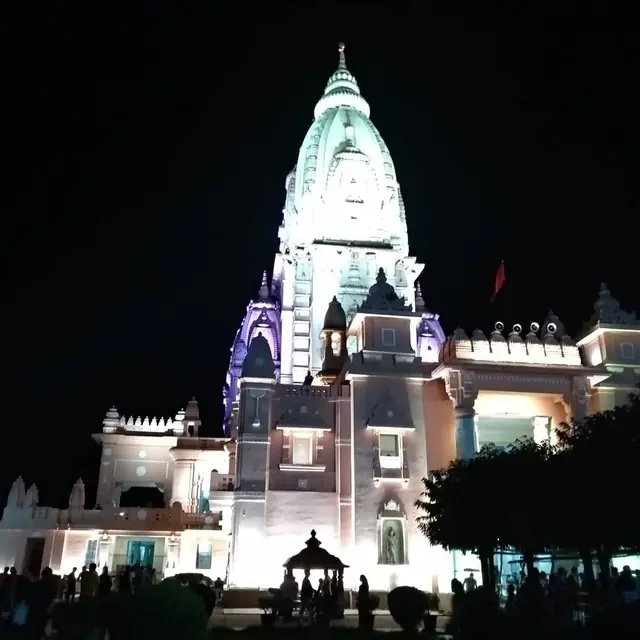
He succeeded Malaviya as Vice-Chancellor of Banaras Hindu University from 1939 to 1948 and kept it running through the war years. He chaired the University Education Commission of 1948–49 and was ambassador to the Soviet Union from 1949 to 1952. He translated and commented on the Bhagavadgita (1948), the Principal Upanishads (1953) and the Brahma Sutra (1960). He was Vice-President from 1952 to 1962 and President from 1962 to 1967. When his students asked to celebrate his birthday in 1962 he asked them to keep it as Teachers’ Day instead, and 5 September has been Teachers’ Day ever since. He received the Bharat Ratna in 1954 and died in Madras on 17 April 1975.