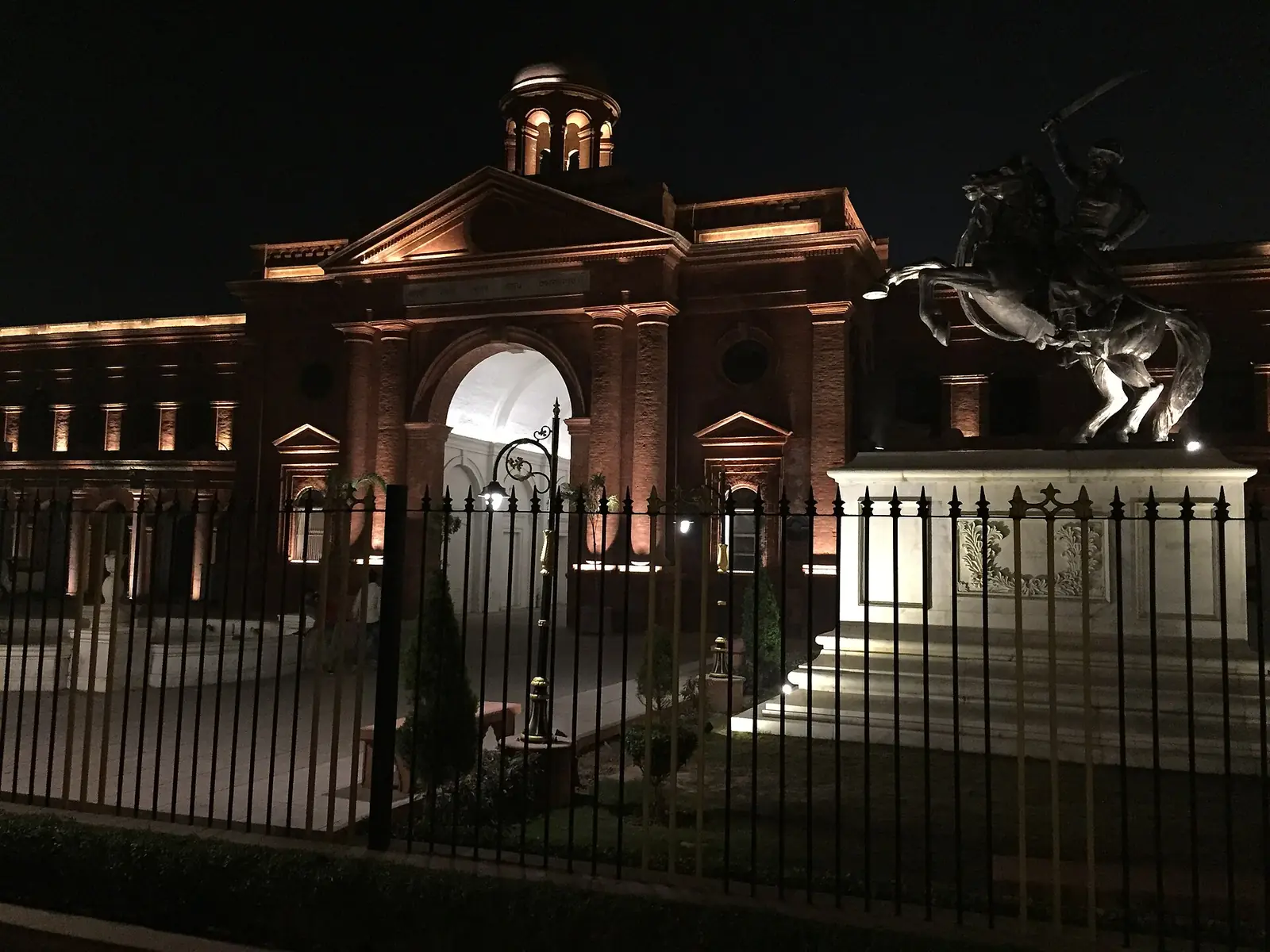
01The year the Punjab split
In August 1947 the Radcliffe line cut the Punjab and Bengal in two. Something like a crore and a half people crossed the new borders, and between two lakh and twenty lakh were killed, by the estimates historians give; Hindus and Sikhs fled west Punjab and Sindh, Muslims fled east. Amritsar, twenty-five kilometres from the new border, took in refugee trains that sometimes arrived carrying only the dead. For seventy years there was no museum for this anywhere. The Arts and Cultural Heritage Trust gathered oral histories, letters, refugee ration cards, trunks and keys of houses left behind, and opened the museum on 17 August 2017 in the restored Town Hall.
02What is inside
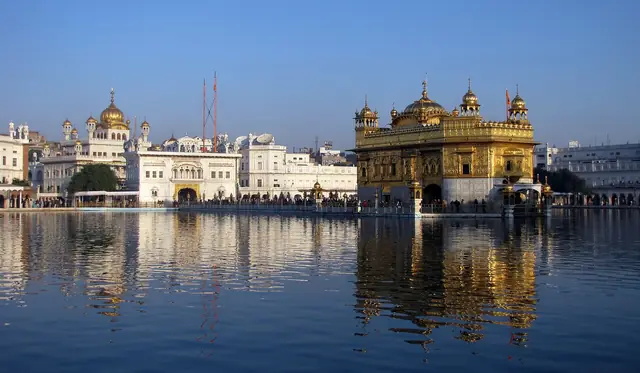
The galleries move from the freedom movement to the vote for partition, the drawing of the line, the violence of the summer, the flight on foot and by train, the camps at Kurukshetra and elsewhere, and the slow rebuilding of lives in Delhi and East Punjab. The objects are small and personal: a phulkari carried across, a passport, a set of utensils, a photograph. A Tree of Hope at the end carries notes from visitors whose families crossed. Many who come to the Harmandir Sahib walk the few hundred metres here afterwards.
The life of this place
- 14–15 August 1947Partition of India; Amritsar becomes a border city.
- 17 August 2017The Partition Museum opens in the Town Hall.
In the Town Hall on the heritage street near the Golden Temple; closed on Mondays.