Cite
MLA
“Bhagwan Vishnu.” Hindu History, 2026, https://www.hinduhistory.in/devata/vishnu/. Accessed .
APA
Hindu History. (2026). Bhagwan Vishnu. Retrieved , from https://www.hinduhistory.in/devata/vishnu/
तद्विष्णोः परमं पदं सदा पश्यन्ति सूरयः। दिवीव चक्षुराततम्॥
tad viṣṇoḥ paramaṃ padaṃ sadā paśyanti sūrayaḥ | divīva cakṣur ātatam ||
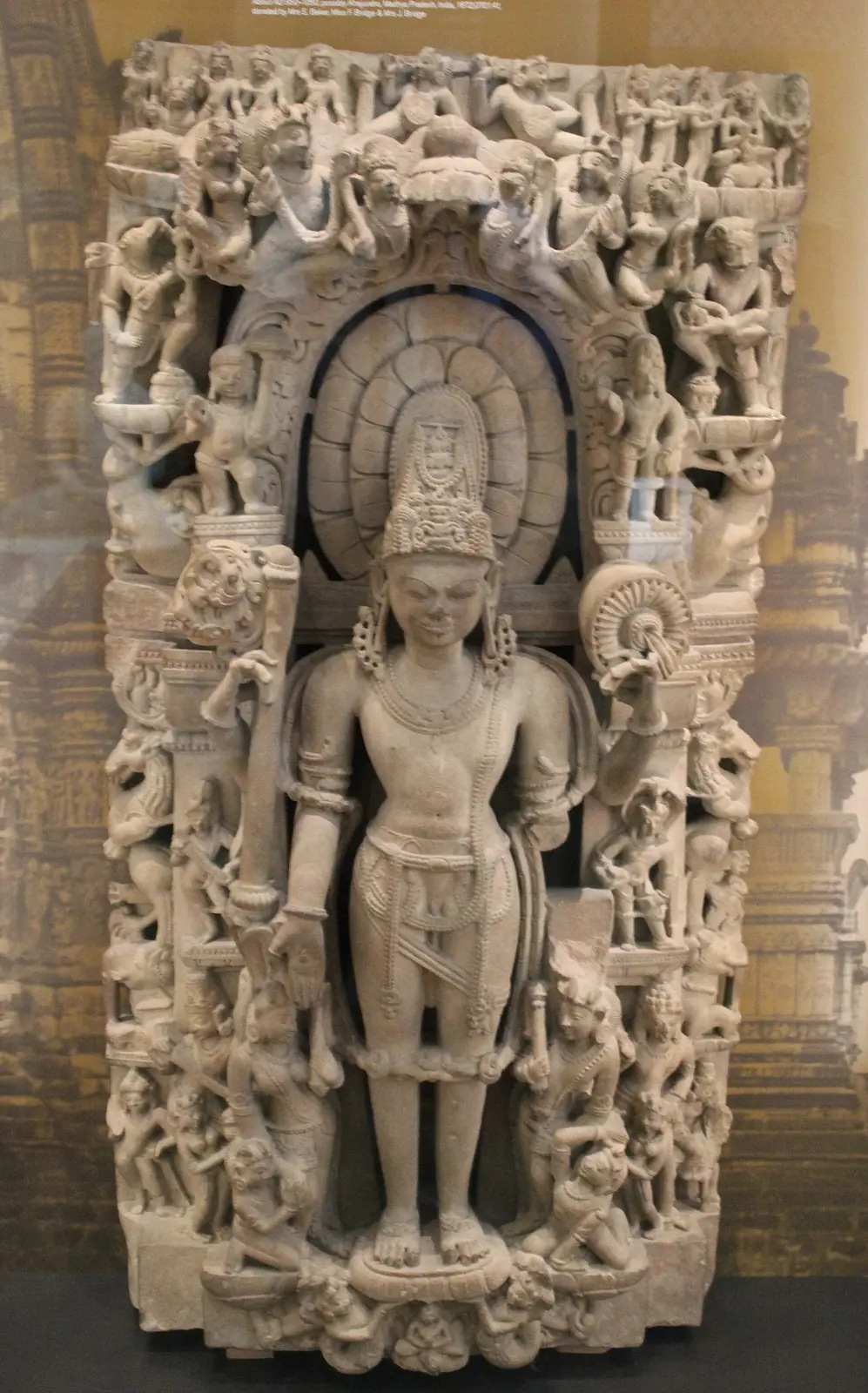
Dark blue, four-armed, holding the conch Panchajanya, the discus Sudarshana, the mace Kaumodaki and a lotus; the Shrivatsa mark and Kaustubha gem on his chest, a tall kirita on his head. He stands, sits or reclines on the serpent Adishesha (Anantashayana), with Shridevi and Bhudevi beside him.
01The three strides
The Rigveda sings of Vishnu who measured out the earthly spaces in three strides (Rigveda 1.154), and of his highest step, which the wise see always, like an eye spread across the sky (1.22.20). The Purusha Sukta and the Narayana Upanishad give him the name Narayana. The Vishnu Purana, which Maharshi Parashara told to Maitreya, sets out creation, the ages and the lines of kings as his leela. The thousand names recited daily in countless homes, the Vishnu Sahasranama, come from Bhishma on his bed of arrows in the Anushasana Parva of the Mahabharata.
02The avatars
In the Gita (4.7–8) Shri Krishna promises to come age after age to protect the good and restore dharma. The ten best-known descents, the Dashavatara, are recited in this order: Matsya, Kurma, Varaha, Narasimha, Vamana, Parashurama, Rama, Krishna, Balarama or Buddha (lists differ), and Kalki, who is yet to come. The Bhagavata Purana (1.3) gives a longer list of twenty-two, adding Kapila, Dattatreya, Rishabha, Dhanvantari, Mohini and others, and says the avatars are countless, like streams from an endless lake.
03Worship and the Ekadashis
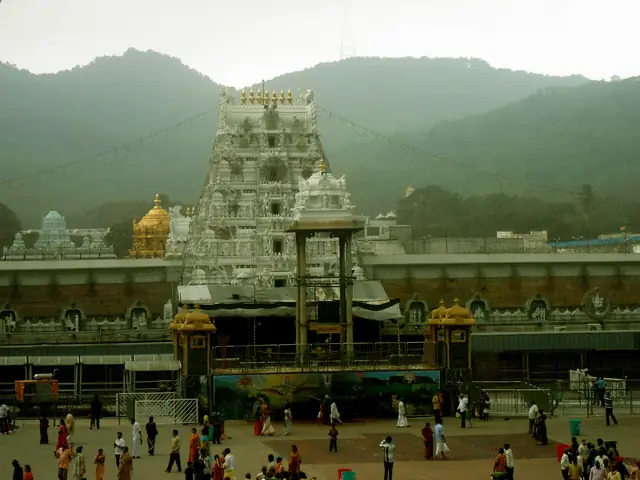
Tulsi is dearest to Vishnu; no naivedya to him is complete without a leaf of it. The Ekadashi fast, twice a month, is his. On Devshayani Ekadashi in Ashadha he lies down to his four months of yoga-nidra, the Chaturmasa, and wakes on Prabodhini Ekadashi in Kartik, after which weddings begin again. Vaikuntha Ekadashi in the month of Margashirsha (Dhanurmasa in the south) opens the northern gate of his temples. The Alvars sang 108 Divya Desams, and the Pancharatra and Vaikhanasa Agamas still govern their rituals.
04Temples across the Hindu world
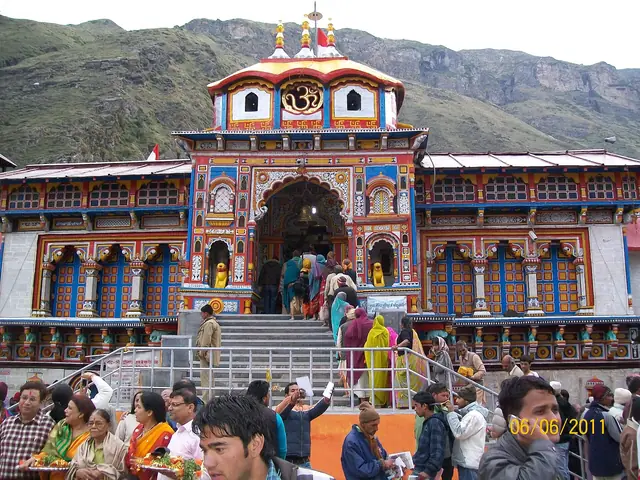
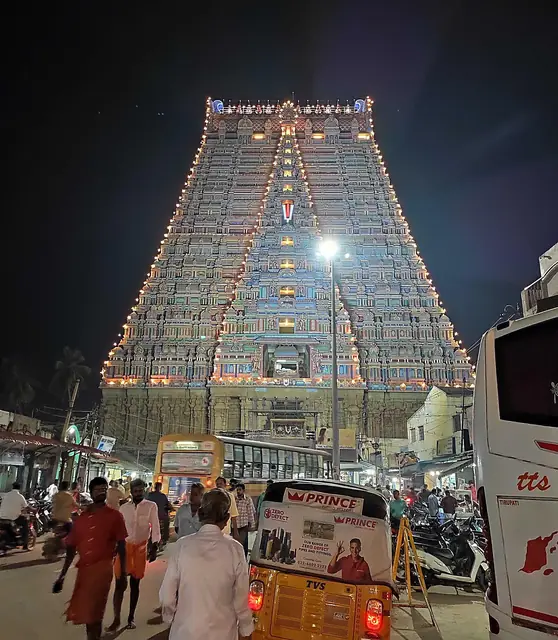
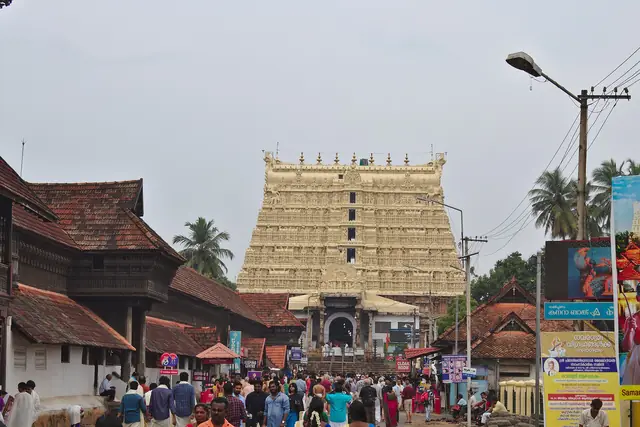
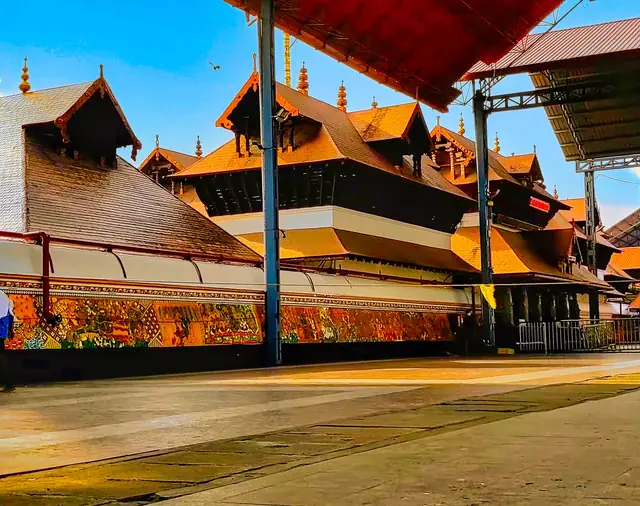
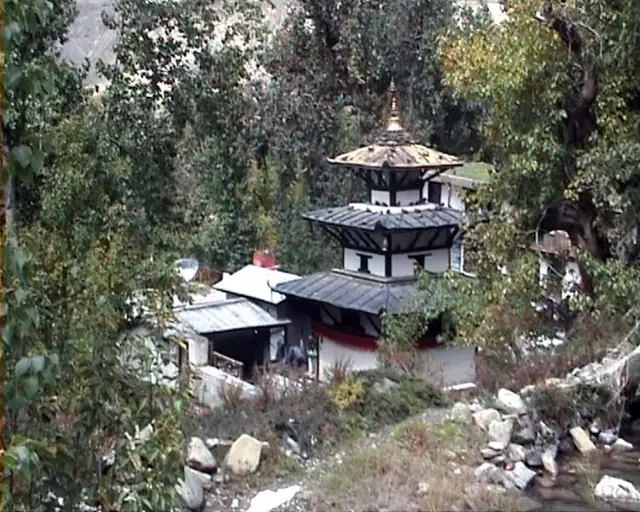
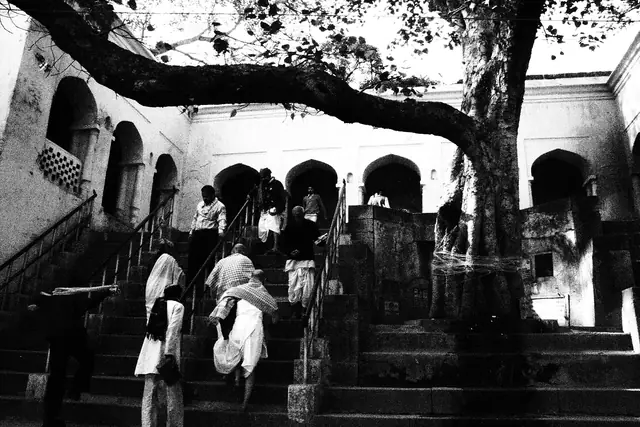
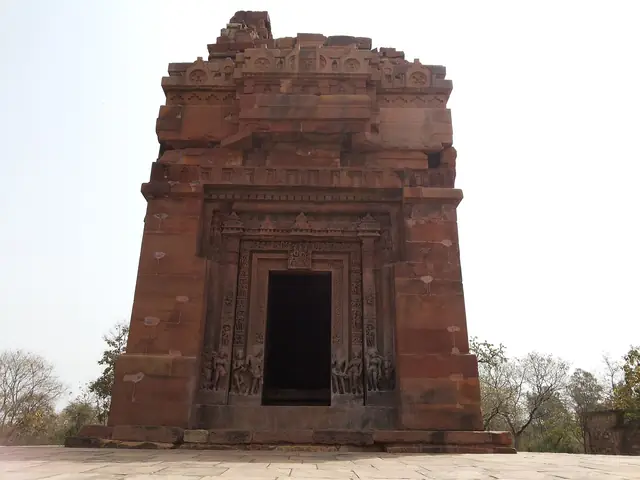
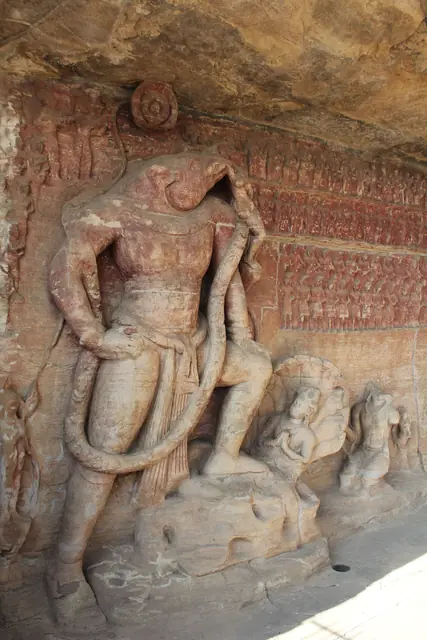
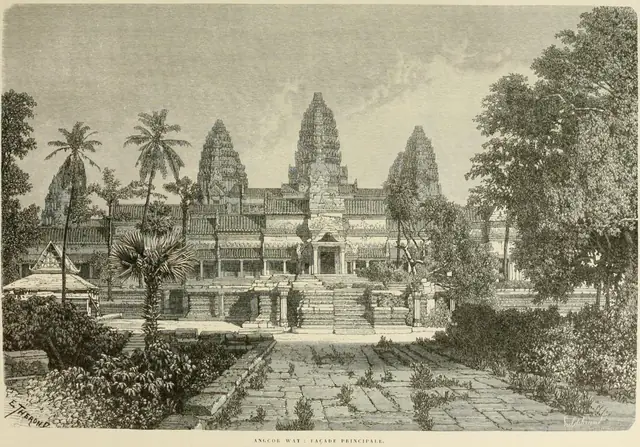
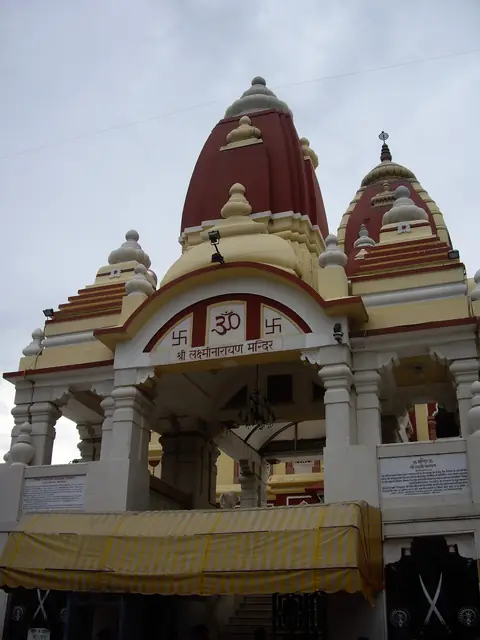
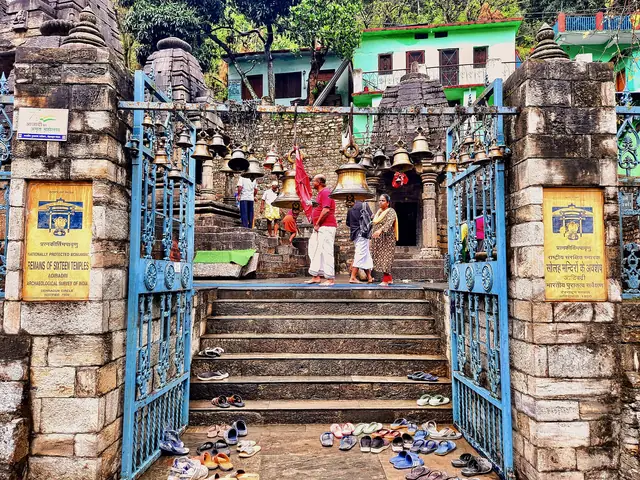
Badrinath in the Himalaya and Srirangam on its island in the Kaveri are the two poles of Vishnu worship in Bharat. Padmanabhaswamy at Thiruvananthapuram shows him reclining, seen through three doors. The Gupta-era Dashavatara temple at Deogarh is among the oldest stone temples standing. At Udayagiri near Vidisha, a Varaha relief was cut in 401 CE under Chandragupta II. Far east, Suryavarman II built Angkor Wat for Vishnu in the twelfth century, the largest religious monument on earth.
In the texts
- Rigveda 1.154 and 1.22.16–21
- Vishnu Purana
- Bhagavata Purana, Skandha 1 and 10
- Vishnu Sahasranama (Mahabharata, Anushasana Parva)
- Nalayira Divya Prabandham of the Alvars