01The meditating Badri
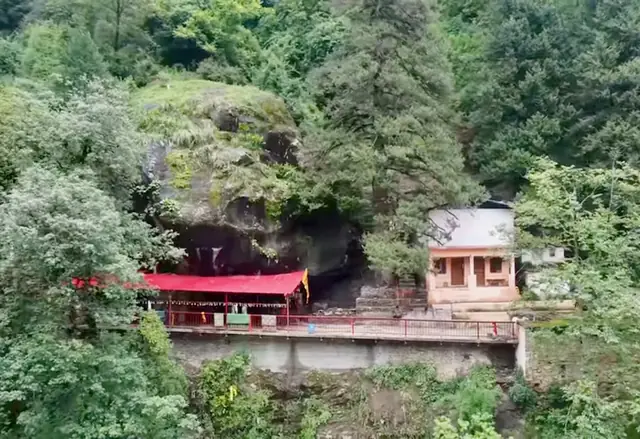
Dhyan means meditation, and the murti here is Bhagwan Vishnu in that posture: four-armed, of black stone, seated with the eyes turned inward. The katha of the shrine is of Urvarishi, son of King Puranjaya and of the line of the Pandavas, who left the throne and came up the Urgam valley to do tapas for Vishnu. When the Bhagwan was pleased, Urvarishi set up this image so that others might worship him as he had seen him. The valley is one of the quietest in Garhwal, with Kalpeshwar, the fifth of the Panch Kedar, about two kilometres away.
02Among the seven Badris
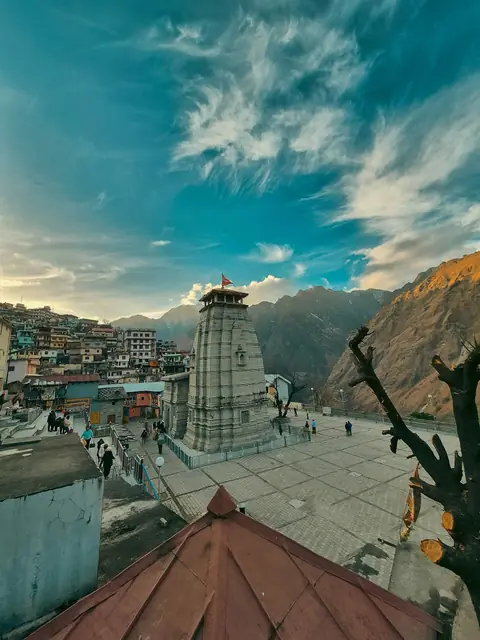
Badrinath itself is Vishal Badri. Around it the tradition counts six more: Adi Badri near Karnaprayag, Vriddha Badri at Animath, Yogadhyan Badri at Pandukeshwar, Bhavishya Badri beyond Tapovan, Ardha Badri, and Dhyan Badri here. The older Panch Badri circuit of five usually leaves out Ardha Badri and Dhyan Badri, and some lists drop Vriddha Badri instead, so the lists differ. Pilgrims who walk to Kalpeshwar take Dhyan Badri on the same path. The Urgam valley road from Helang on the Badrinath highway has made both easier to reach than they were a generation ago.
Turn off the Badrinath highway at Helang and drive up the Urgam valley road; Dhyan Badri and Kalpeshwar are close to each other at its head.