01Narayan under the jujube tree
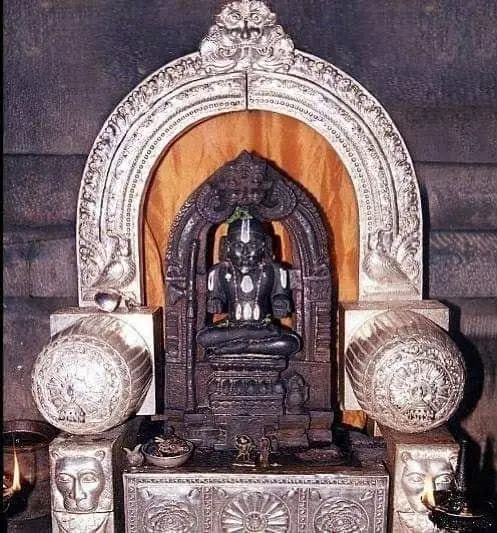
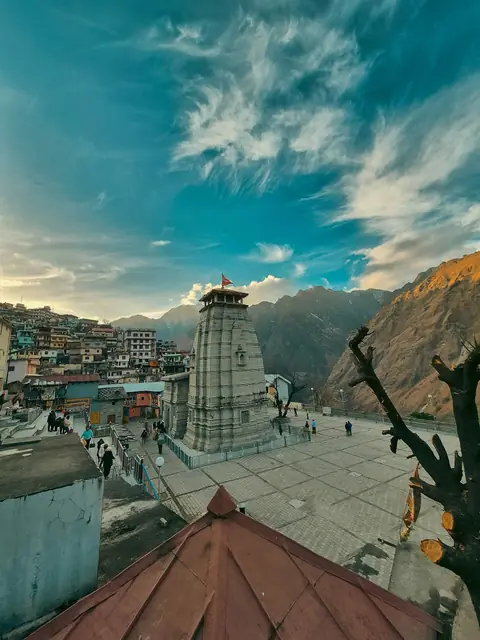
The Mahabharata calls this place Badarikashrama, the hermitage of Nara and Narayana, where the two rishis, forms of Arjuna and Shri Krishna, did tapas for ages. The Puranas tell that while Narayan meditated, Lakshmi stood over him as a badri, a jujube tree, to shield him from the snow, and so he is Badrinath, Lord of the Badri. The black shaligram murti shows him seated in padmasana. Vyasa Gufa, where Maharshi Vyasa is said to have dictated the Mahabharata to Ganesha, and Mana, the last village before Tibet, are three kilometres up the valley.
02Shankara and the Rawal
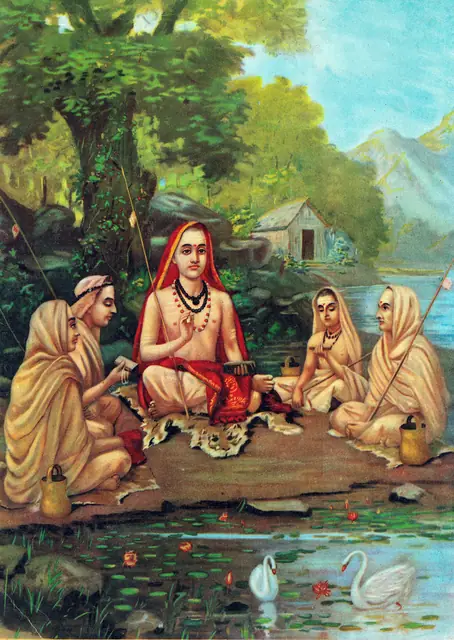
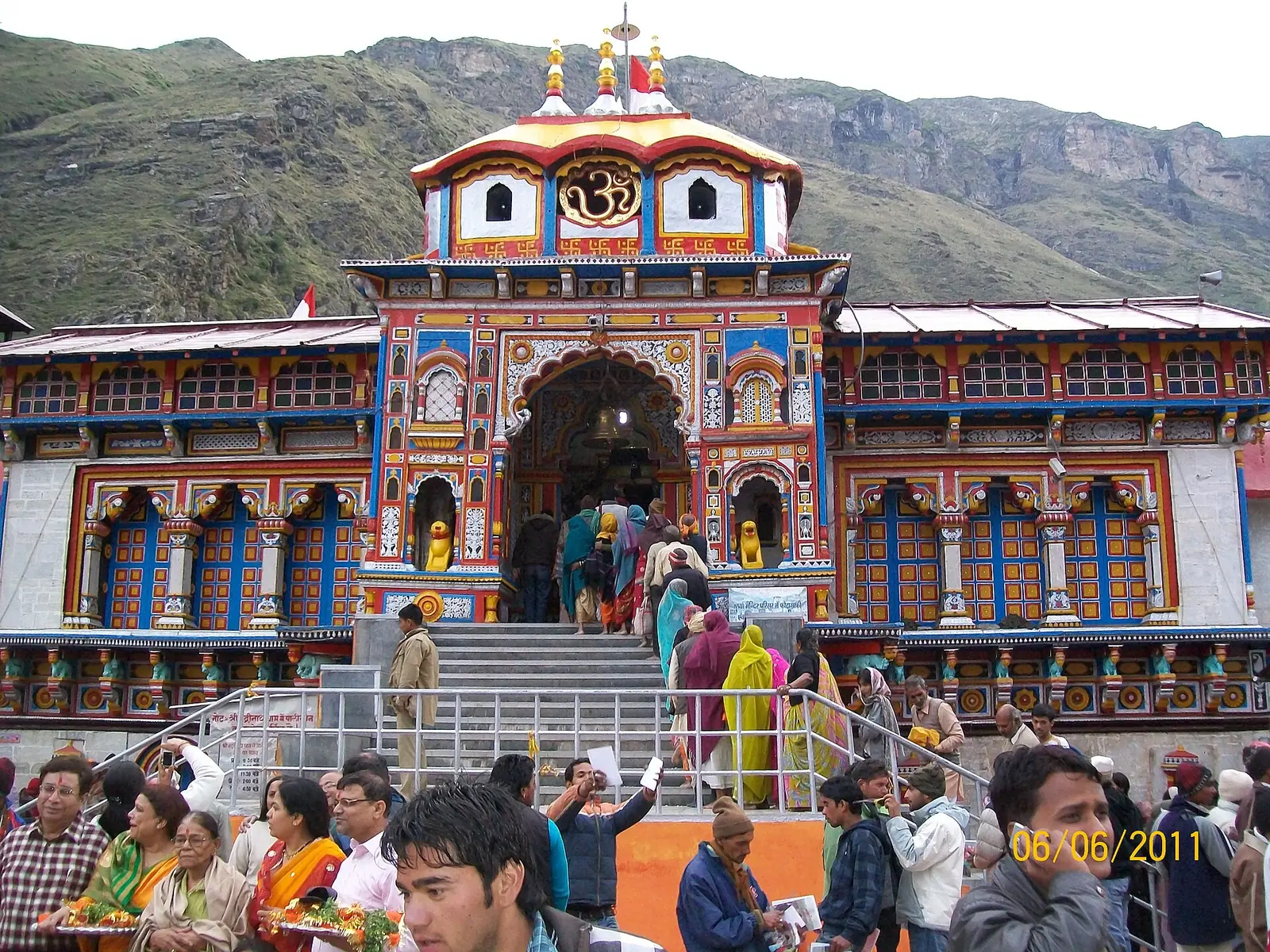
Tradition holds that Adi Shankaracharya found the murti in the Narad Kund pool below the temple, where it had been hidden from raiders, and reinstated it. He also founded Jyotirmath, the northern of his four mathas, downstream. To this day the chief priest, the Rawal, is a Namboodiri Brahmin from Kerala, Shankara’s homeland. The kings of Garhwal were long the temple’s patrons. The great Garhwal earthquake of 1803 damaged the temple badly and it was repaired; its bright painted front dates from later restorations. The United Provinces passed the Shri Badrinath Temple Act in 1939 to govern its administration.
03Six months of men, six of devas
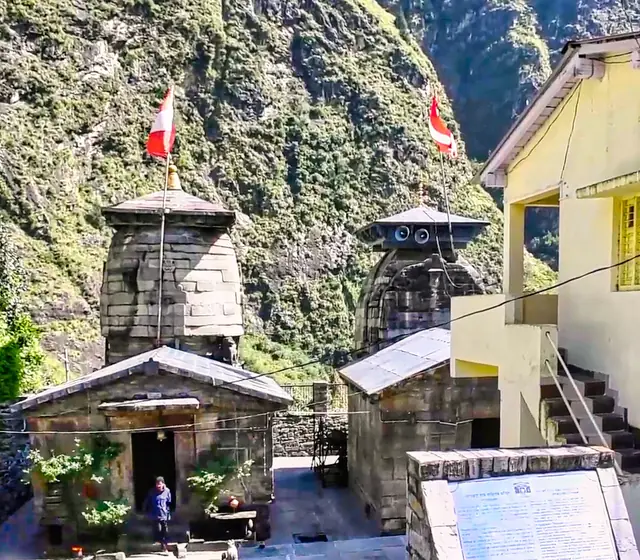
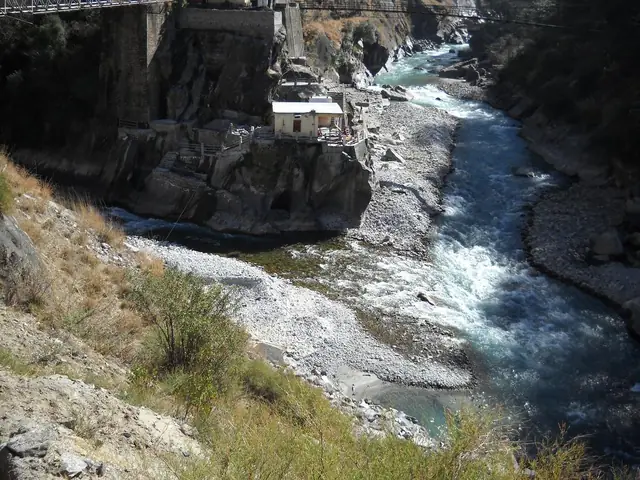
The doors open in April or May on a date fixed on Vasant Panchami at the Narendranagar palace of the Tehri royal family, and close in November. It is said that for six months men worship Badri Vishal and for the other six the devas do, with Narad as priest. When the doors close a ghee lamp is left burning inside. The utsav murtis of Uddhav and Kubera go to Pandukeshwar, and the gaddi of Shankaracharya to the Narsingh temple at Jyotirmath. Before darshan pilgrims bathe in the Tapt Kund, a hot spring at the river’s edge.
The life of this place
- 1803The Garhwal earthquake damages the temple; it is repaired.
- 1939The Shri Badrinath Temple Act sets up the temple’s administration.
Reachable by road via Joshimath; the season runs from late April or May to mid-November. Expect cold nights even in June at 3,133 m.