Cite
MLA
“Akshaya Tritiya.” Hindu History, 2026, https://www.hinduhistory.in/utsav/akshaya-tritiya/. Accessed .
APA
Hindu History. (2026). Akshaya Tritiya. Retrieved , from https://www.hinduhistory.in/utsav/akshaya-tritiya/
How it is kept
- 01
Buying gold and beginning new ventures without seeking a muhurta
- 02
Gifts of water pots, fans, umbrellas and sandal
- 03
Parashurama Jayanti worship
- 04
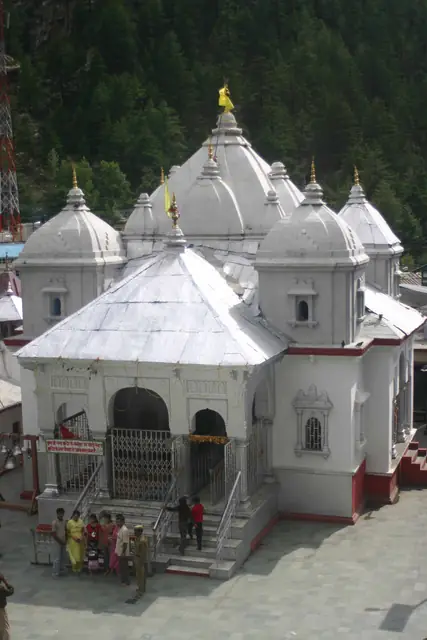
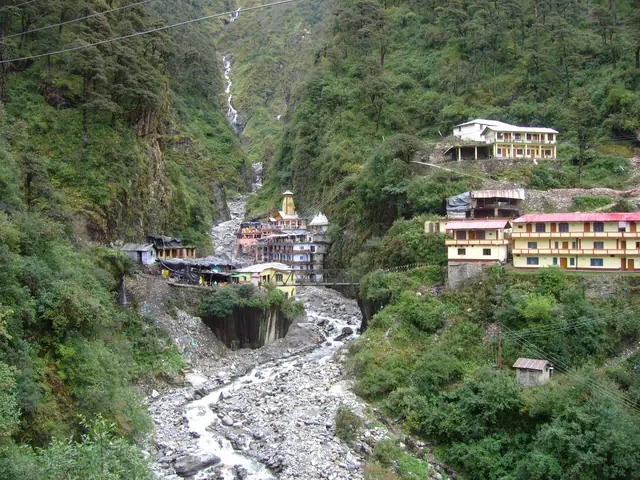
Opening of Gangotri and Yamunotri
- 05
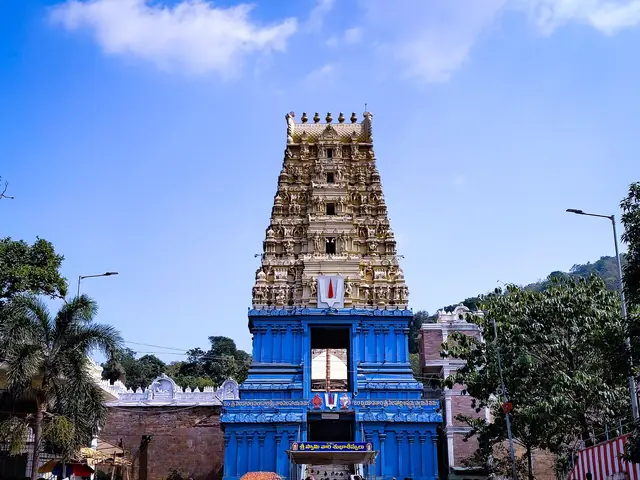
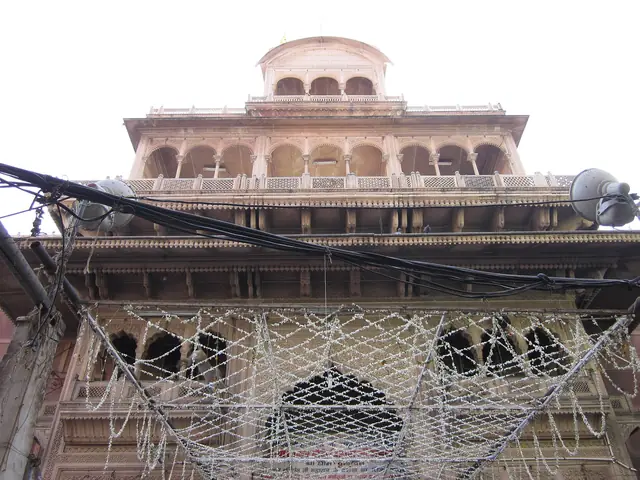
Nija rupa darshan at Simhachalam and charan darshan at Banke Bihari
01What never decays
Akshaya means imperishable. The Matsya and Bhavishya Puranas say that bathing, japa, homa and gifts made on the third of the bright half of Vaishakha bear unending fruit, and the day is counted among the yugadi tithis, as the beginning of the Treta Yuga. It is kept as the birthday of Parashurama, the sixth avatar. Families buy gold, start new ventures, and give pots of water, fans, sandal and umbrellas, for the summer has come. In Bengal traders open the new halkhata ledger on this day in many towns.
02Doors open, chariots begun
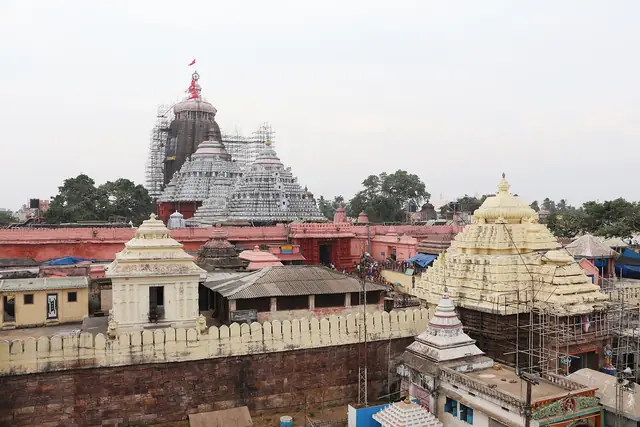
In Uttarakhand the doors of Gangotri and Yamunotri open on Akshaya Tritiya after the winter, and the Char Dham season begins. At Puri the carpenters begin cutting the timber for the three chariots of the Rath Yatra, and the twenty-one days of Chandan Yatra start, with the deities’ representatives taken out in boats on the Narendra tank. At Simhachalam the sandal paste that covers Varaha-Narasimha all year is removed, and devotees see the nija rupa for this one day. At Vrindavan, Banke Bihari shows his feet, the charan darshan, only today.
All of Bharat; the char dham of Uttarakhand, Puri, Simhachalam and Vrindavan mark it with special rites