Cite
MLA
“Onam.” Hindu History, 2026, https://www.hinduhistory.in/utsav/onam/. Accessed .
APA
Hindu History. (2026). Onam. Retrieved , from https://www.hinduhistory.in/utsav/onam/
How it is kept
- 01
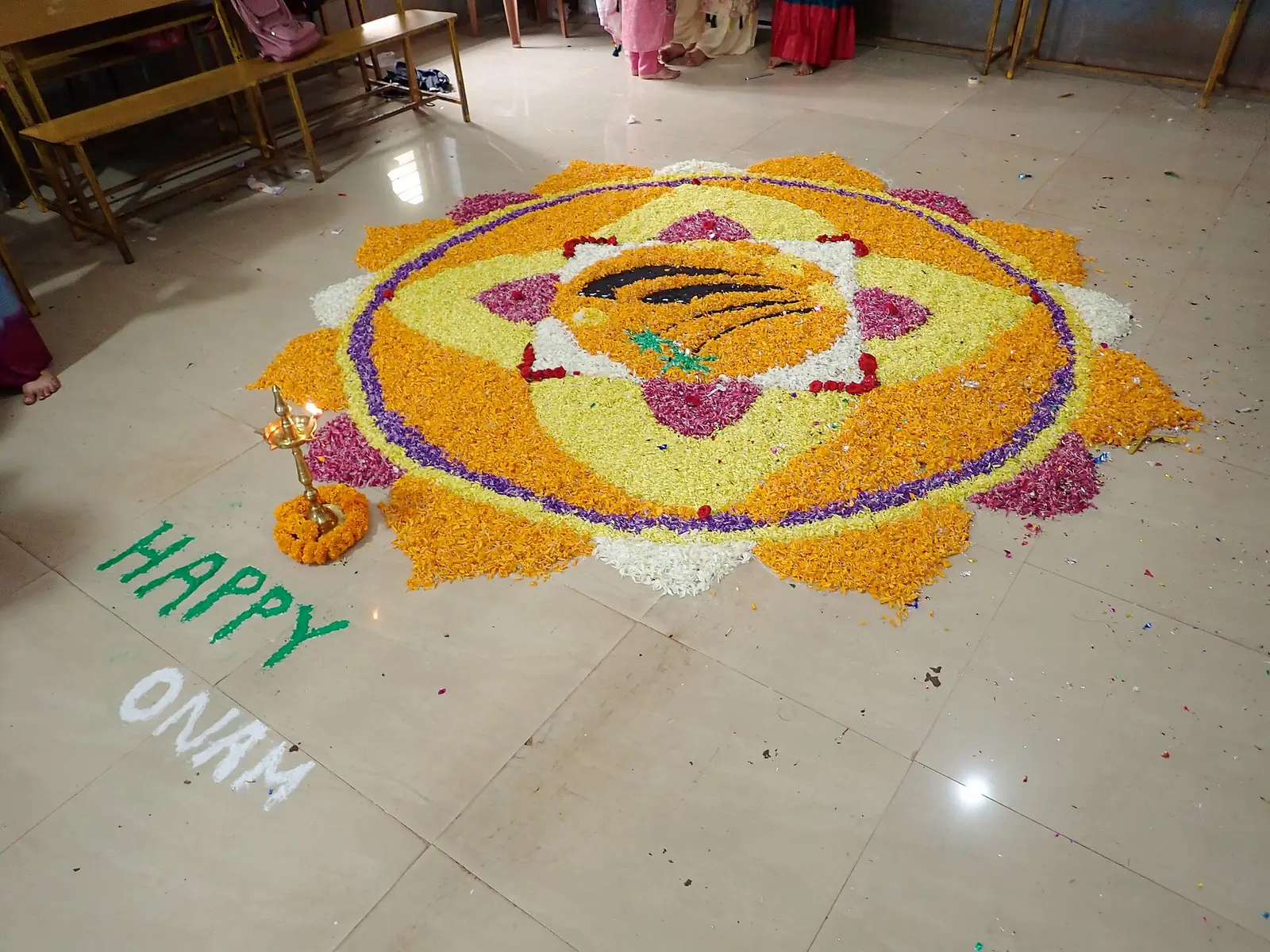
Pookalam: a flower carpet at the door, one ring larger each day
- 02
Onasadya: a feast of more than twenty dishes on a banana leaf
- 03
Onakkodi: new clothes given by the head of the family
- 04
Vallam kali, the snake-boat races, at Aranmula
- 05
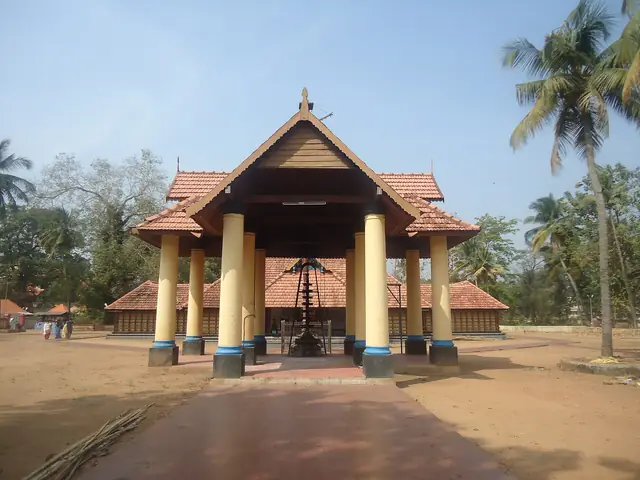
Thrikkakara Appan, a clay pyramid for Vamana, set in the courtyard
01Vamana and Mahabali
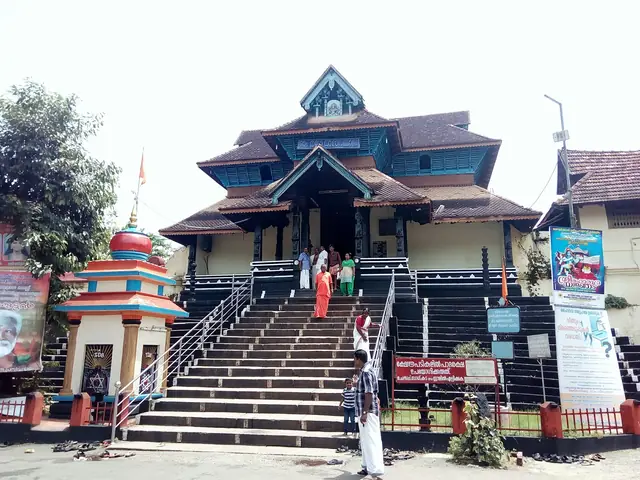
The Bhagavata Purana (Skandha 8, chapters 15–23) tells it. Bali, grandson of Prahlad, had won the three worlds by his yajnas and his generosity. Vishnu came to his sacrifice as Vamana, a dwarf brahmachari, and asked for three steps of land. Shukracharya warned the king; Bali gave anyway. Vamana grew until two steps covered earth and heaven, and Bali offered his own head for the third. Vishnu sent him to Sutala loka, richer than heaven, and became its gatekeeper. Kerala adds that Bali asked to visit his people once a year, and Onam is that visit; the Thrikkakara temple near Kochi, dedicated to Vamana, is held to be where it happened.
02Onam in the Sangam age
Maduraikkanchi, a Sangam poem on the city of Madurai, describes an Onam festival held there in honour of Vishnu, with fighting games, so the feast once belonged to the wider Tamil country. In the Alvars Periyalvar praises Thiruvonam as Vishnu’s own star. Today the festival opens with the Athachamayam procession at Thrippunithura, ends with the snake-boat races on the Pampa at Aranmula, and in Thrissur the pulikali dancers, painted as tigers, take to the streets.
Kerala, and Malayali families in the Gulf, Singapore, Malaysia, Britain and North America