01In the reign of the Shungas
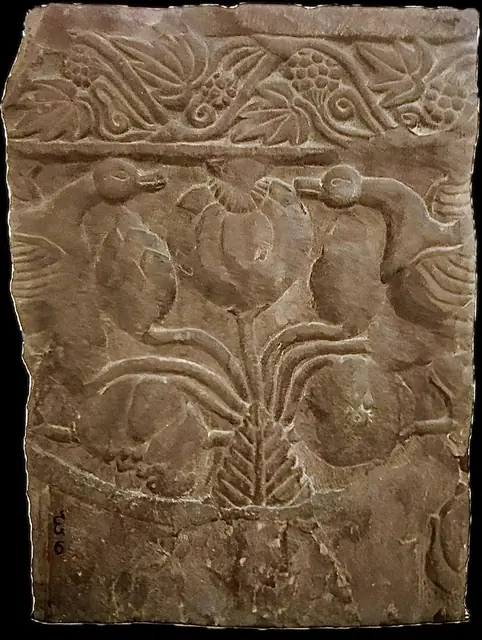
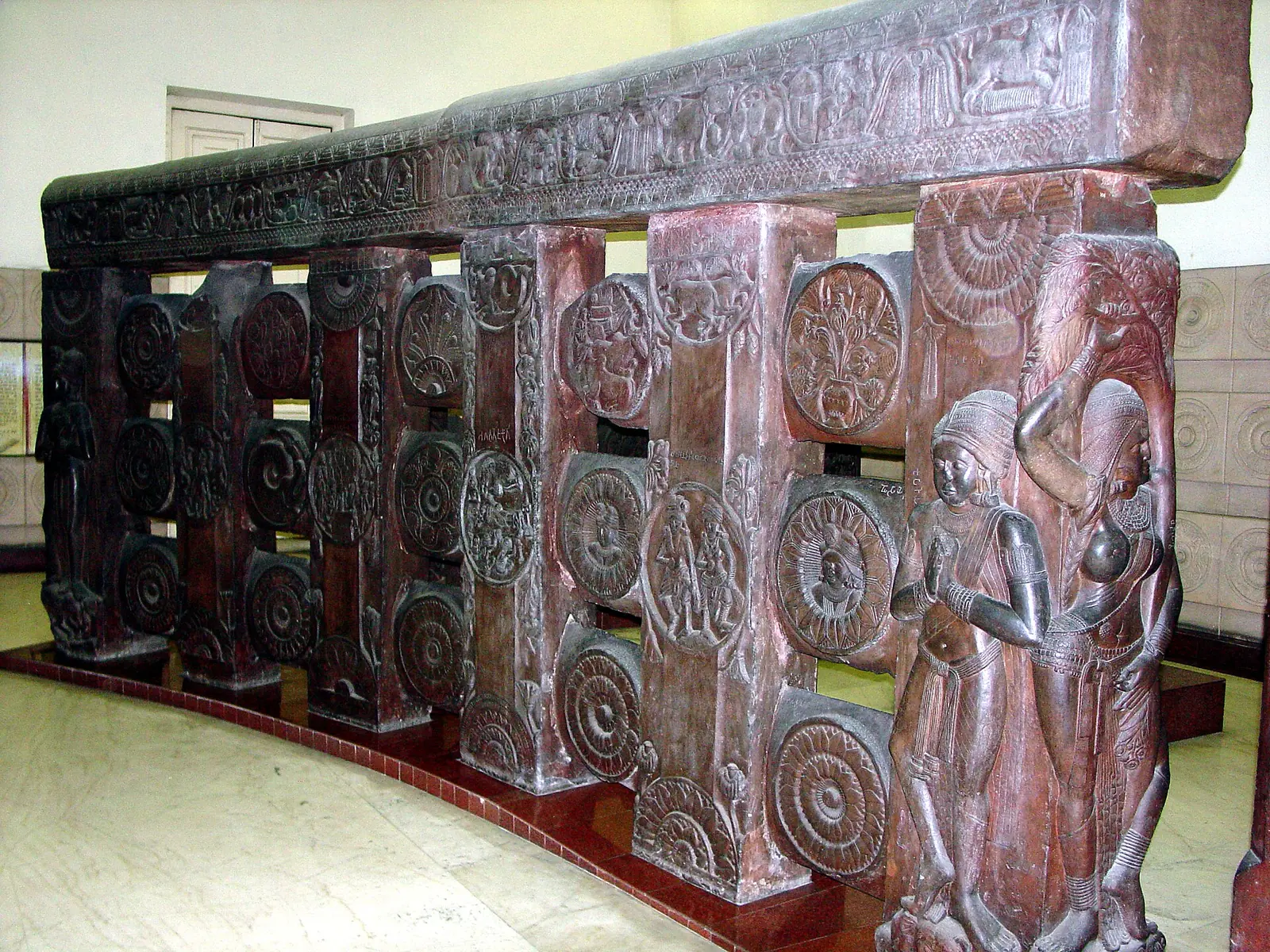
An inscription on the eastern gateway says it was set up ‘in the reign of the Sugas’, that is the Shungas, by Dhanabhuti. The red sandstone railing carries Jataka tales, scenes from the Buddha’s life shown without his figure, through a throne, a tree or footprints, and life-size yakshas and yakshis who guard the gates. Kubera stands among them, named in his label, and Lakshmi appears on medallions, seated on a lotus while two elephants pour water over her. Hundreds of short inscriptions name the donors: monks, nuns, householders from Vidisha and Pataliputra. For the 2nd century BCE there is no better portrait of who lived in Madhyadesha and what they believed.
02Found and carried away
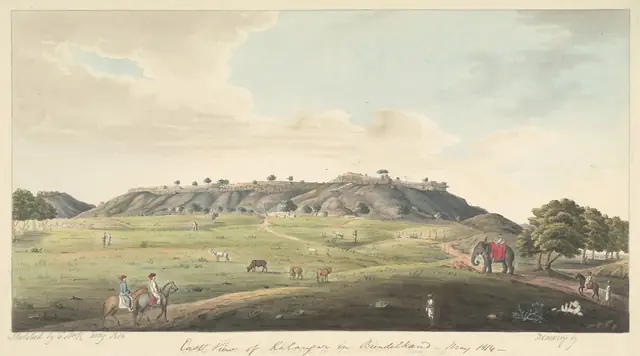
When Alexander Cunningham reached Bharhut in 1873 the brick stupa had long been dug away by villagers for building material, and only parts of the railing stood. He and J. D. Beglar excavated the site the next year and published The Stupa of Bharhut in 1879. The railing pieces and the eastern gateway were taken to Calcutta, where they were reassembled in the Indian Museum’s Bharhut gallery. Other pieces are in the Allahabad Museum and the Indian Museum’s branches. At the site itself only the mound remains.
The life of this place
- 2nd century BCEThe railing and eastern gateway are carved; Dhanabhuti’s inscription dates the gate to Shunga rule.
- 1873Alexander Cunningham finds the ruined stupa.
- 1874Excavation; the railing is moved to Calcutta.
- 1879Cunningham publishes The Stupa of Bharhut.
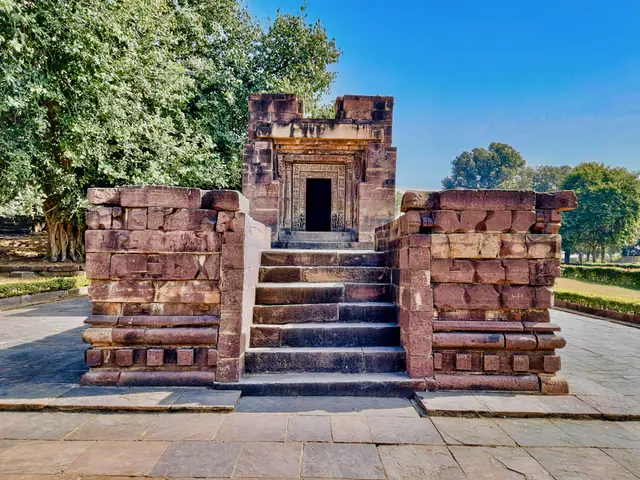
To see Bharhut, go to the Indian Museum on Chowringhee Road, Kolkata. The site is about 35 km south of Satna, with little to see but the mound.