01Jarasandha’s city
The Mahabharata’s Sabha Parva describes Girivraja, ringed by five hills, as the city of Jarasandha, who had imprisoned eighty-six kings. Before Yudhishthira’s Rajasuya, Shri Krishna went there with Bhima and Arjuna in the guise of snataka brahmanas, and Bhima fought Jarasandha for fourteen days before tearing him apart. A flat rock in the hills is still shown as Jarasandha’s akhara. The hot springs at the foot of Vaibhara hill, the Brahmakund among them, have drawn bathers for millennia, and in the Malamasa month a great mela gathers.
02Bimbisara’s capital
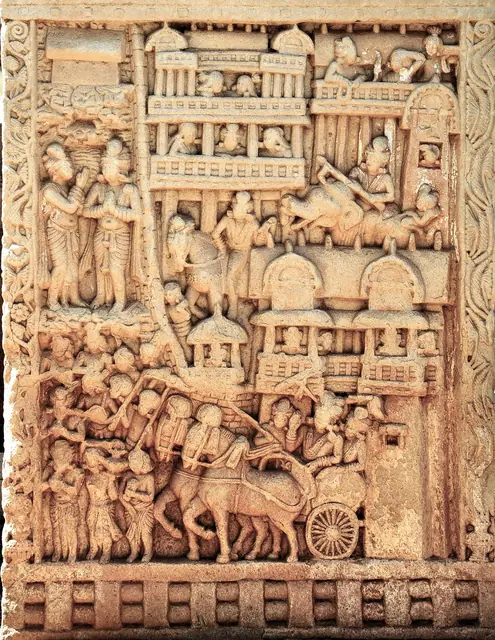
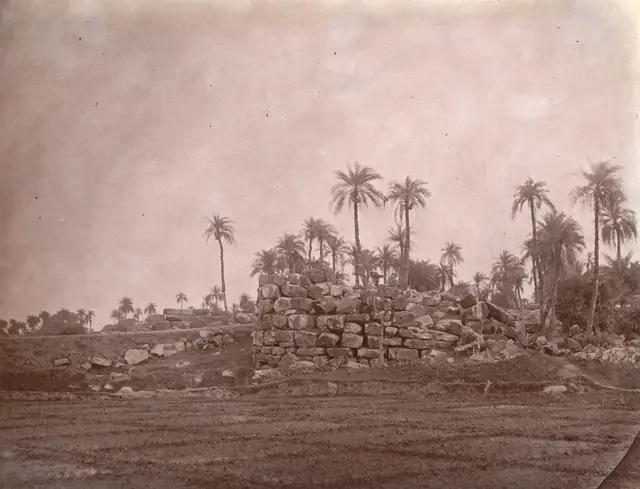
Bimbisara of the Haryanka line ruled Magadha from here, and his son Ajatashatru built a new fortified town below the hills. The cyclopean wall of undressed stone, laid without mortar, is among the oldest stone fortifications in the subcontinent. The capital moved to Pataliputra under Ajatashatru’s successor Udayin, and Rajagriha slowly emptied. Xuanzang, in the 7th century, found the old city inside the hills deserted and only a small town outside the walls. The Archaeological Survey and others have since traced the walls, gates and the old roads running between the hills.
03The Buddha and Mahavira
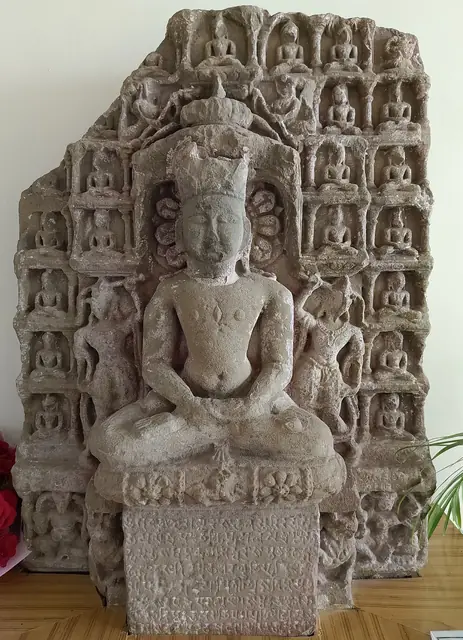
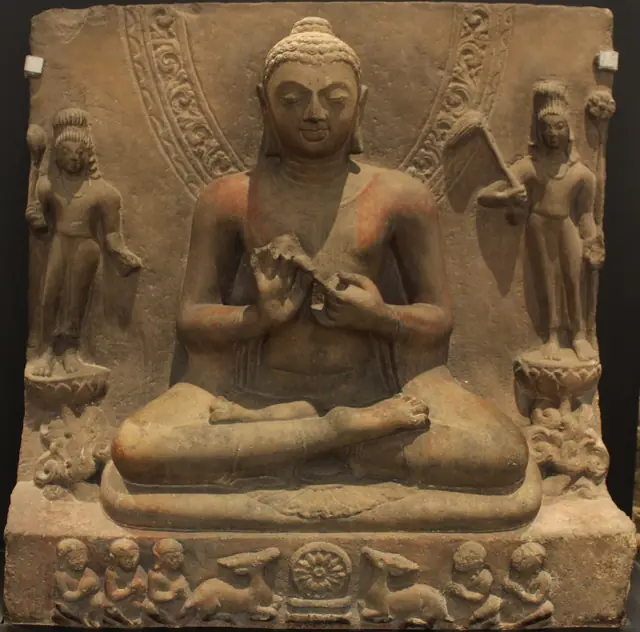
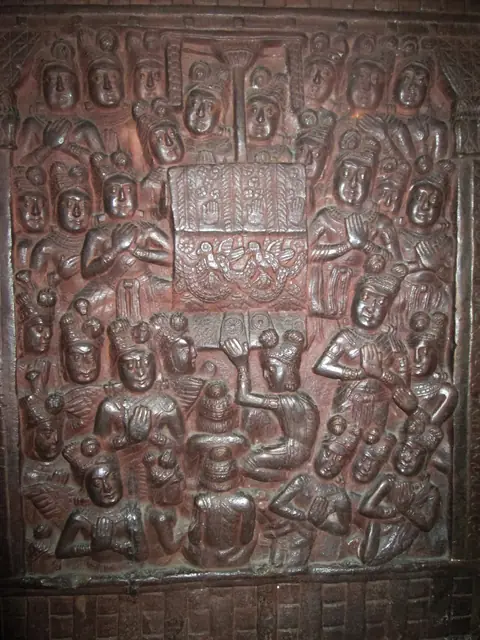
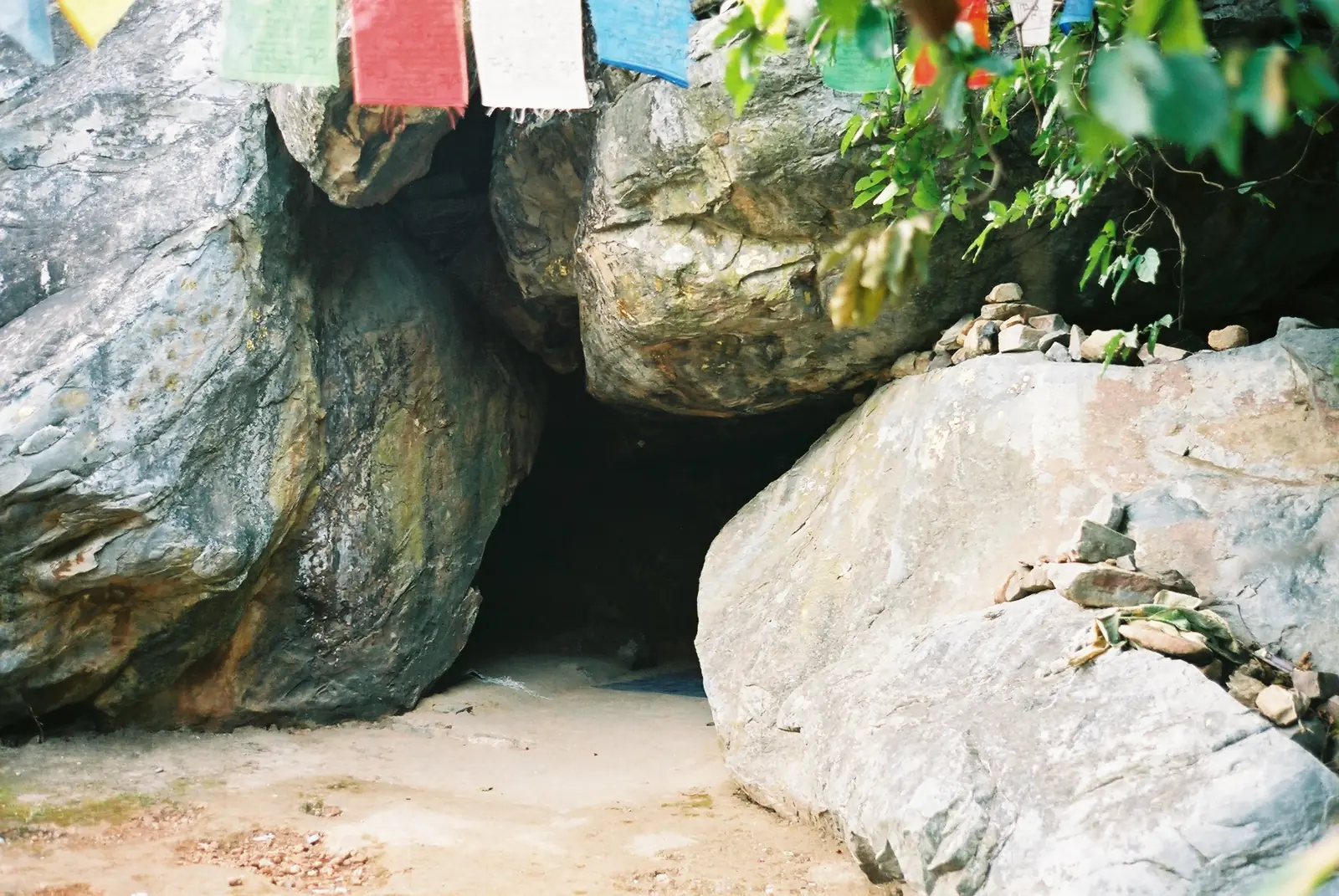
The Buddha often stayed on Griddhakuta, the Vulture Peak, and in the Venuvana bamboo grove that Bimbisara gave the Sangha. After his parinirvana the First Council met in the Saptaparni cave on Vaibhara hill to recite his teachings. Bhagwan Mahavira spent fourteen rainy seasons at Rajagriha and its suburb Nalanda, and Jain temples crown all five hills; pilgrims climb them barefoot, before the sun is high.
The life of this place
- 6th–5th century BCEBimbisara rules Magadha from Rajagriha; Ajatashatru builds the new town.
- c. 5th century BCEThe First Buddhist Council meets in the Saptaparni cave.
A ropeway climbs Ratnagiri to the Vishwa Shanti Stupa; Griddhakuta is a short walk from it. The hot springs are busiest in winter mornings.