01The overstruck coins
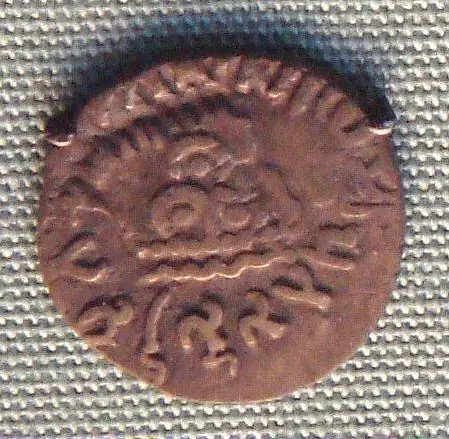
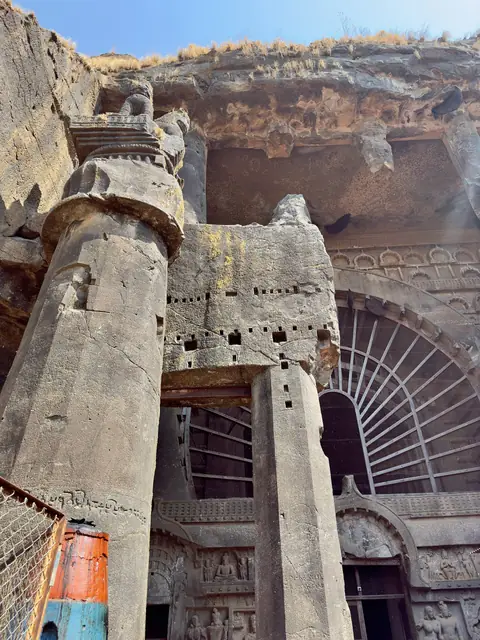
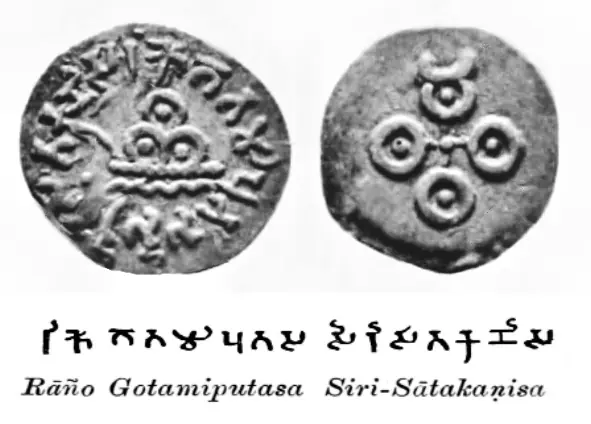
The Kshaharata Shakas under Nahapana had taken Nashik, Pune and the ports of the western coast. In 1906 a hoard of over 13,000 silver coins of Nahapana turned up at Jogaltembhi near Nashik, and thousands of them had been re-struck with Gautamiputra’s name and symbols, the arched hill and the Ujjain mark. Few pieces of evidence for a war are so exact: the victor took the loser’s treasury and stamped himself on it. Gautamiputra’s own grants at Nashik and Karle give land to monks from fields once held by Nahapana’s son-in-law Ushavadata.
02A mother’s inscription
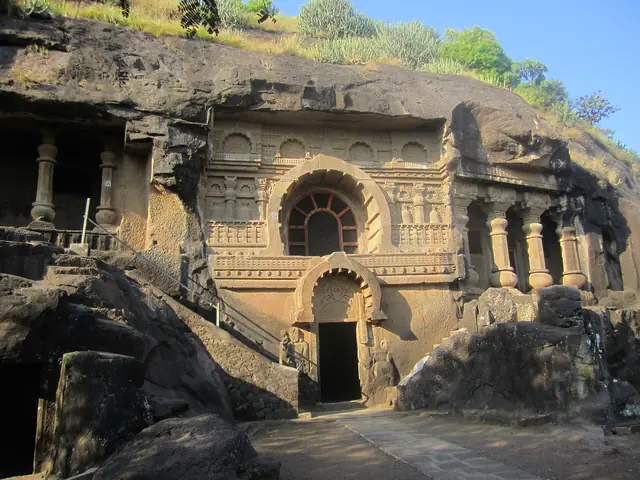
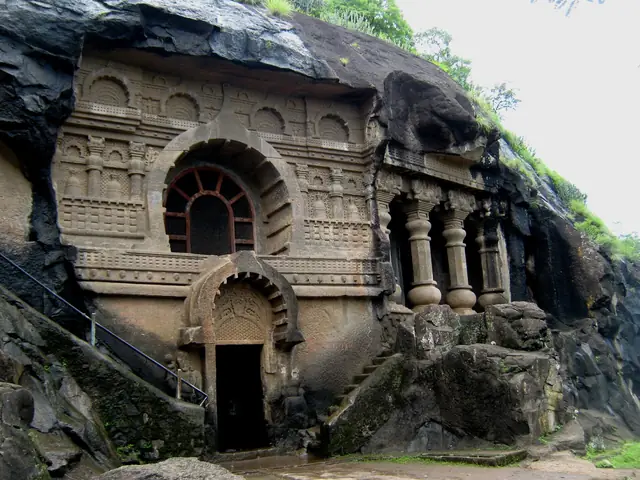
In the nineteenth year of her grandson Vasishthiputra Pulumavi, Gautami Balashri dedicated Cave 3 at Pandavleni, Nashik, and had her son’s praise cut on its wall. It calls him the destroyer of Shakas, Yavanas and Pahlavas, the one who left no trace of the Khakharata line, whose horses drank the water of three seas, the unique Brahmin, and the restorer of the glory of the Satavahana family. It also says he stopped the mixing of the four varnas, a claim of upholding dharma as kings then understood it.