01Bhutapala’s great hall
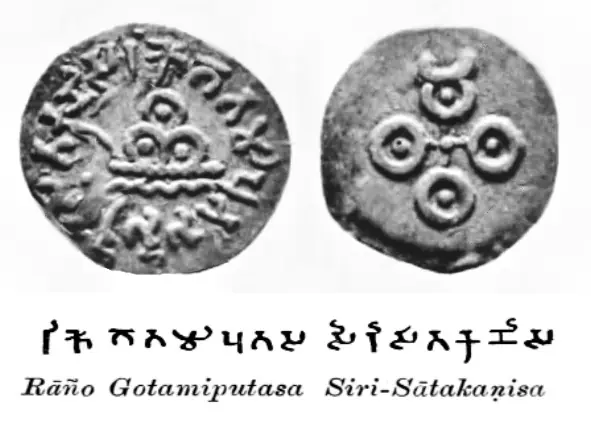
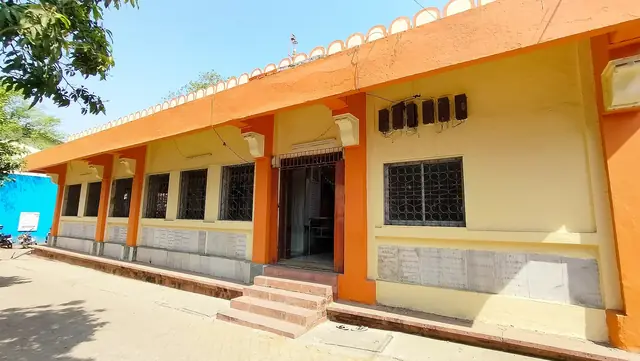
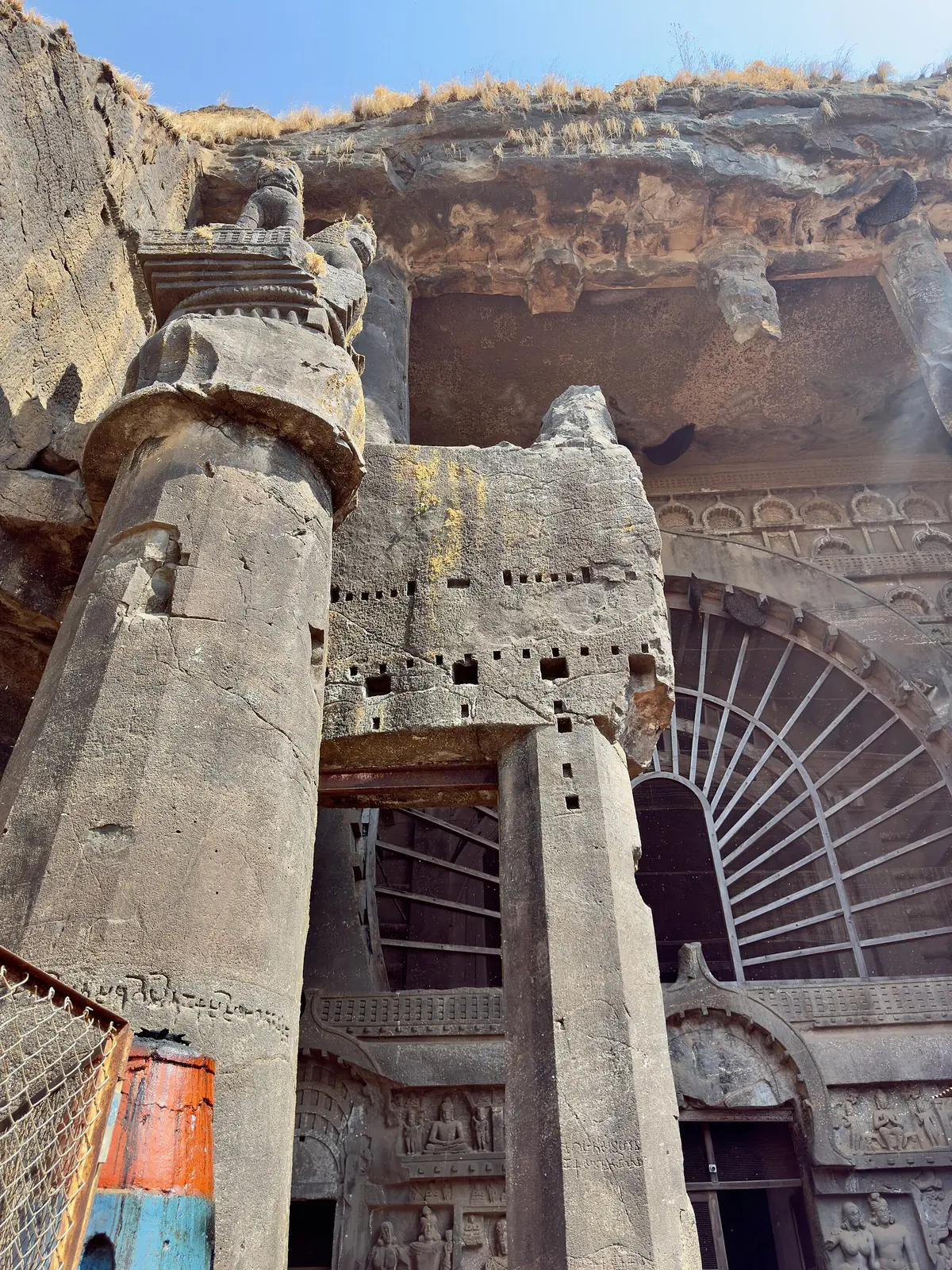
An inscription at the entrance says the stone mansion was made by Bhutapala, a merchant (setthi) of Vaijayanti, ‘the finest in Jambudvipa’. The hall runs about 38 m into the hill, with two rows of pillars topped by kneeling elephants carrying couples, and a stupa at the far end. The ribbed vault is lined with teak beams, much of it believed to be the original wood. Other inscriptions on the pillars and walls record gifts from Yavana donors, from Ushavadata, son-in-law of the Kshaharata ruler Nahapana, and from the Satavahana king Vasishthiputra Pulumavi, showing how many hands paid for the work.
02Ekvira Aai at the door
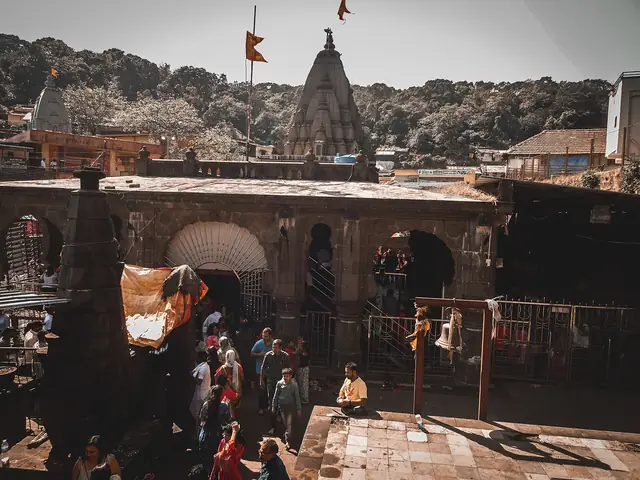
Beside the chaitya’s entrance is the temple of Ekvira Devi, whom the Kolis of the Konkan and many families of Maharashtra worship as kuldevi. Her yatra in Chaitra fills the hill with drums and the palkhi climbs the steps to her shrine. The monks’ hall and the Devi’s shrine have shared this rock for many centuries. Across the valley lie the older caves of Bhaja, and a little further the chaitya of Bedse, cut on the same trade route, so that a traveller of the Satavahana age passed one monastery after another on the climb up the ghat.
The life of this place
- c. 1st century BCE – 1st century CEThe great chaitya is cut, paid for by Bhutapala of Vaijayanti and other donors.
Near Lonavala, off the Mumbai–Pune highway; a climb of about 350 steps. Bhaja caves lie across the valley.