01Vishala and the Vajjis
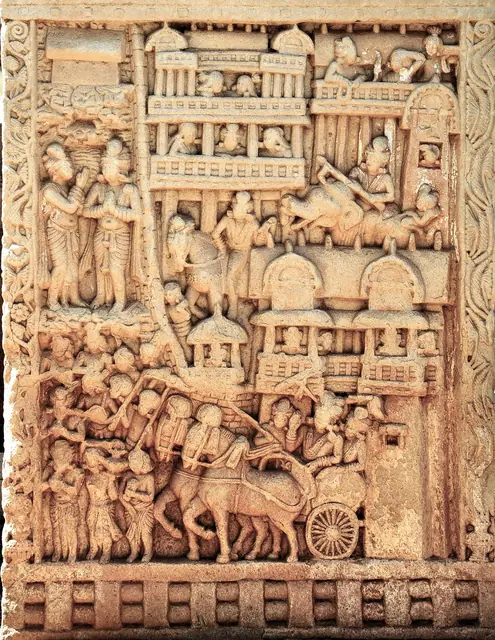
In the Bala Kanda of the Valmiki Ramayana, Vishvamitra brings Shri Rama and Lakshmana across the Ganga to Vishala, a city founded by Vishala, son of Ikshvaku, where King Sumati receives them. By the Buddha’s time it was the seat of the Vajji confederacy, ruled by an assembly of Licchavi clan heads who met in a hall and decided by discussion. In the Mahaparinibbana Sutta the Buddha says the Vajjis will prosper as long as they meet often and in harmony and honour their elders and shrines.
02Mahavira, the Buddha and the Guptas
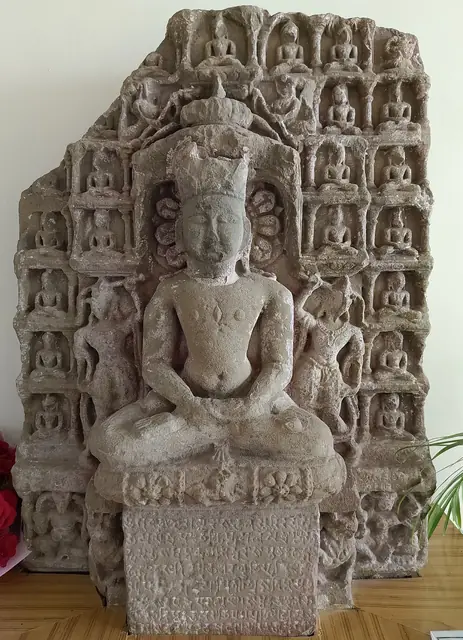
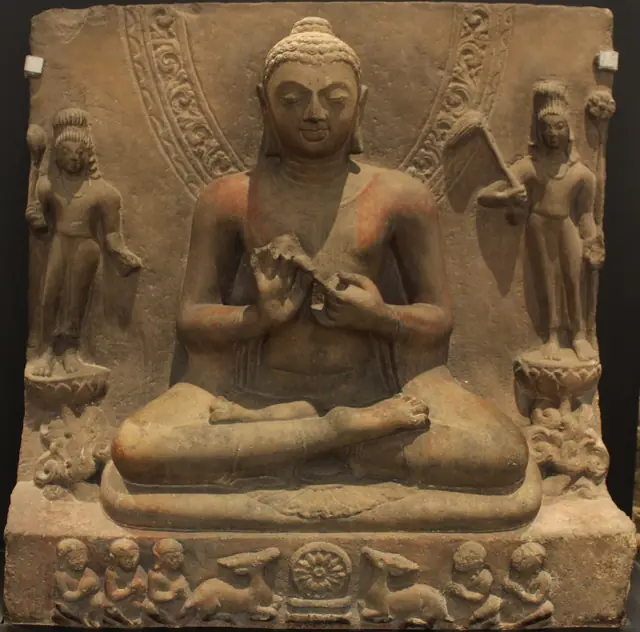
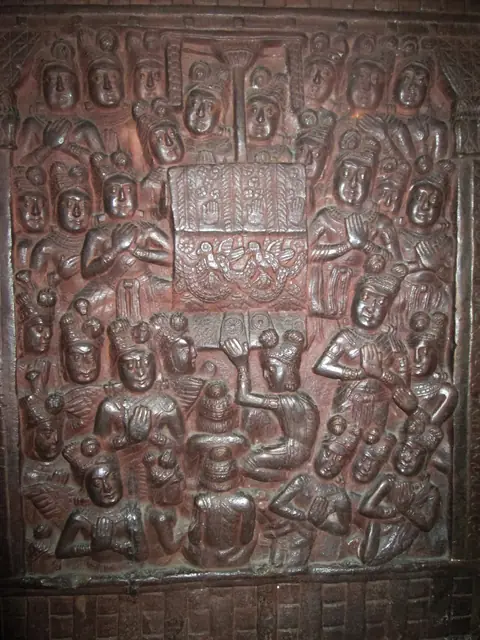
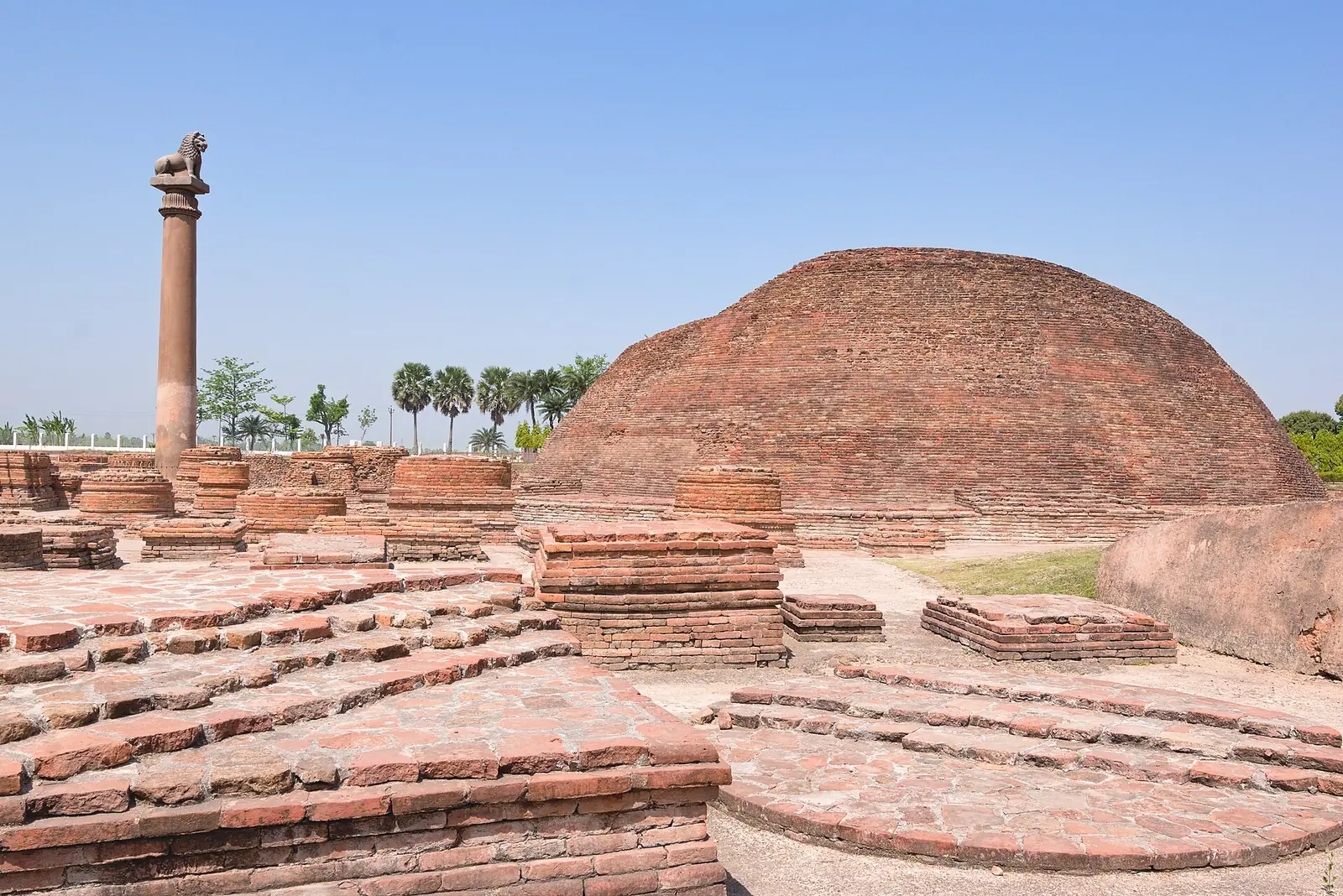
The Kalpa Sutra names Kundagrama near Vaishali as Mahavira’s birthplace, though some Jain traditions honour other sites in Bihar. The Buddha stayed in the mango grove given by the courtesan Amrapali, and announced his coming parinirvana here; about a century later the Second Buddhist Council met at Vaishali. At Kolhua an Ashokan pillar with a single lion still stands beside a brick stupa. The Licchavis stayed powerful long after: Chandragupta I married the Licchavi princess Kumaradevi, and the Gupta gold coins show the two together.
The life of this place
- 6th century BCEVaishali is the capital of the Vajji confederacy.
- c. 4th century BCEThe Second Buddhist Council meets at Vaishali.
- 3rd century BCEThe lion pillar at Kolhua is raised in Ashoka’s time.
About 35 km from Hajipur; the Kolhua pillar, the Abhishek Pushkarini tank and the relic stupa are within a few kilometres of each other.