01Udayana’s city
The Vishnu Purana tells that when the Ganga carried off Hastinapura, Nichakshu of the Kuru line moved his capital to Kaushambi, and his descendants ruled there down to the last king of the line. In the age of the sixteen mahajanapadas it was the seat of the Vatsas. Its king Udayana, lute-player and tamer of elephants, is the hero of Bhasa’s Svapnavasavadatta and of Harsha’s Ratnavali. The Buddha spent several rainy seasons here at the Ghoshitarama, a monastery given by the banker Ghoshita. For Jains it is the birthplace of the sixth Tirthankara, Padmaprabha.
02Walls, pillar and Huna seals
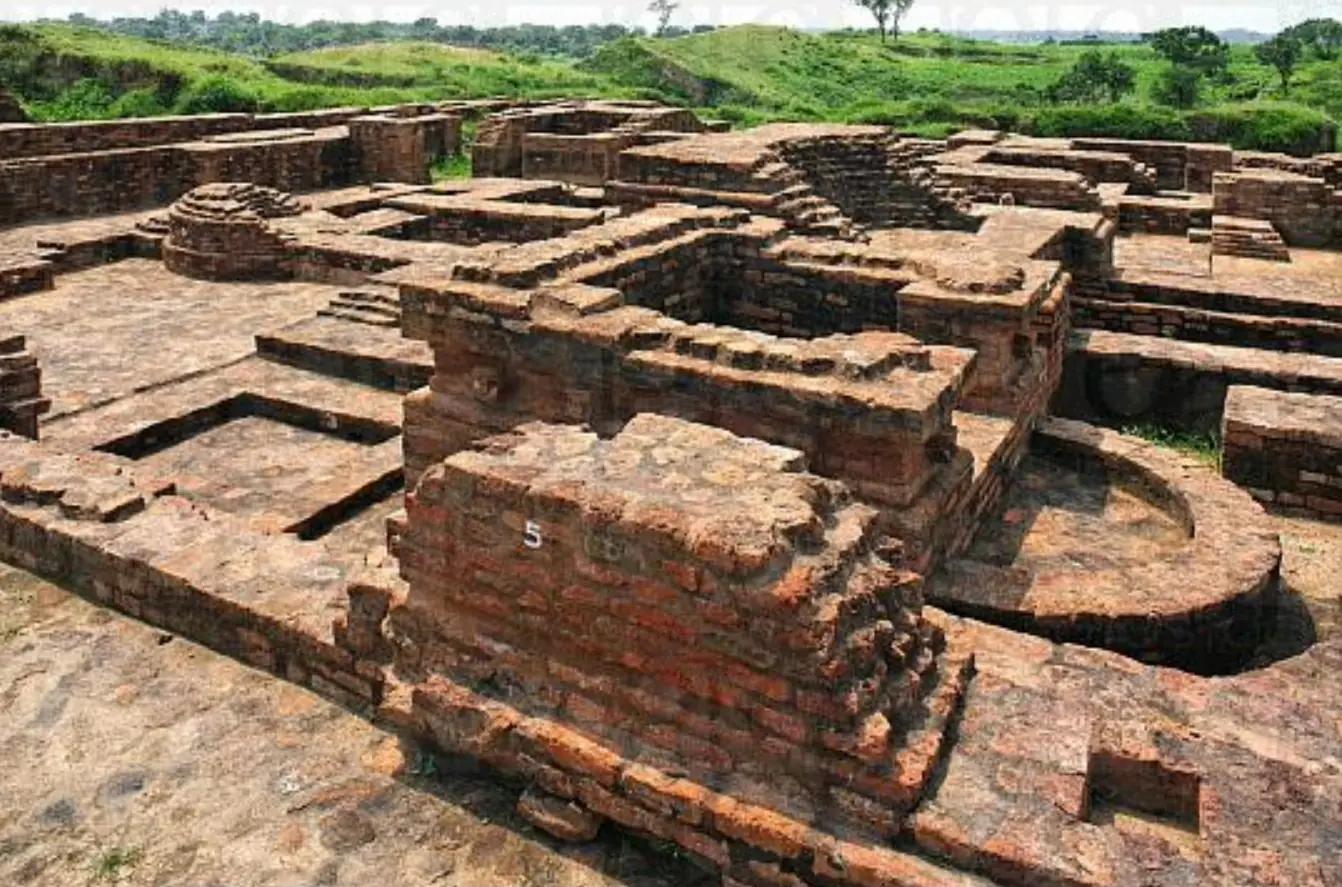
G. R. Sharma of Allahabad University dug at Kaushambi from 1949 to 1965. He traced massive defences of earth faced with brick running for about six kilometres round the city, the Ghoshitarama monastery, and a palace area near the Yamuna. A plain Ashokan pillar still stands on the site. The great pillar now in the Allahabad fort, which carries Ashoka’s edicts and Samudragupta’s praise, has an edict addressed to the mahamatras of Kaushambi and very likely stood here first. Among Sharma’s finds were seals of the Huna king Toramana, a sign of the Huna wars that ended Kaushambi’s life as a great city.
The life of this place
- c. 6th century BCEKaushambi is the capital of the Vatsa mahajanapada under Udayana.
- 3rd century BCEAshoka addresses an edict to the mahamatras of Kaushambi.
- c. 500 CEThe Huna king Toramana’s seals reach Kaushambi; the city declines.
- 1949–1965G. R. Sharma excavates the defences, monastery and palace.
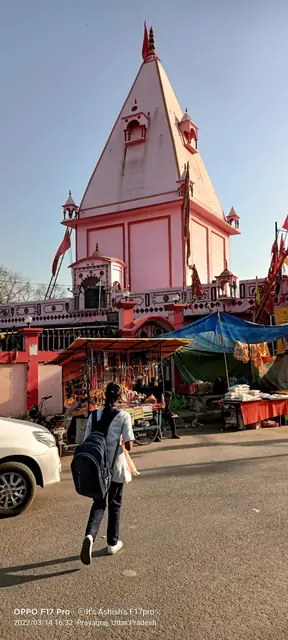
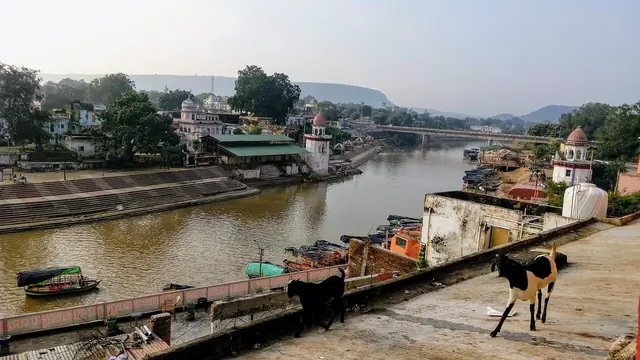
The village of Kosam, about 55 km south-west of Prayagraj. The Allahabad Museum holds most of the finds.