01The great chaitya
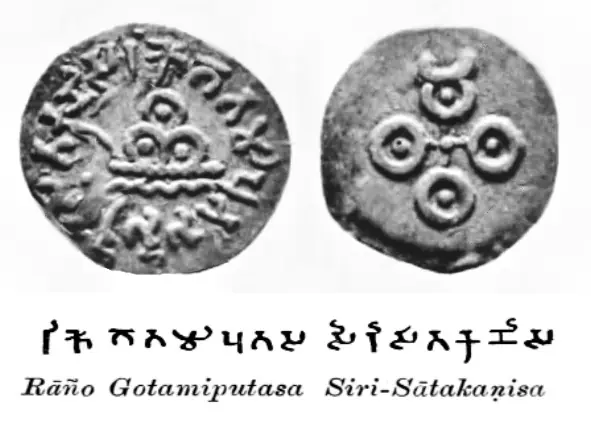
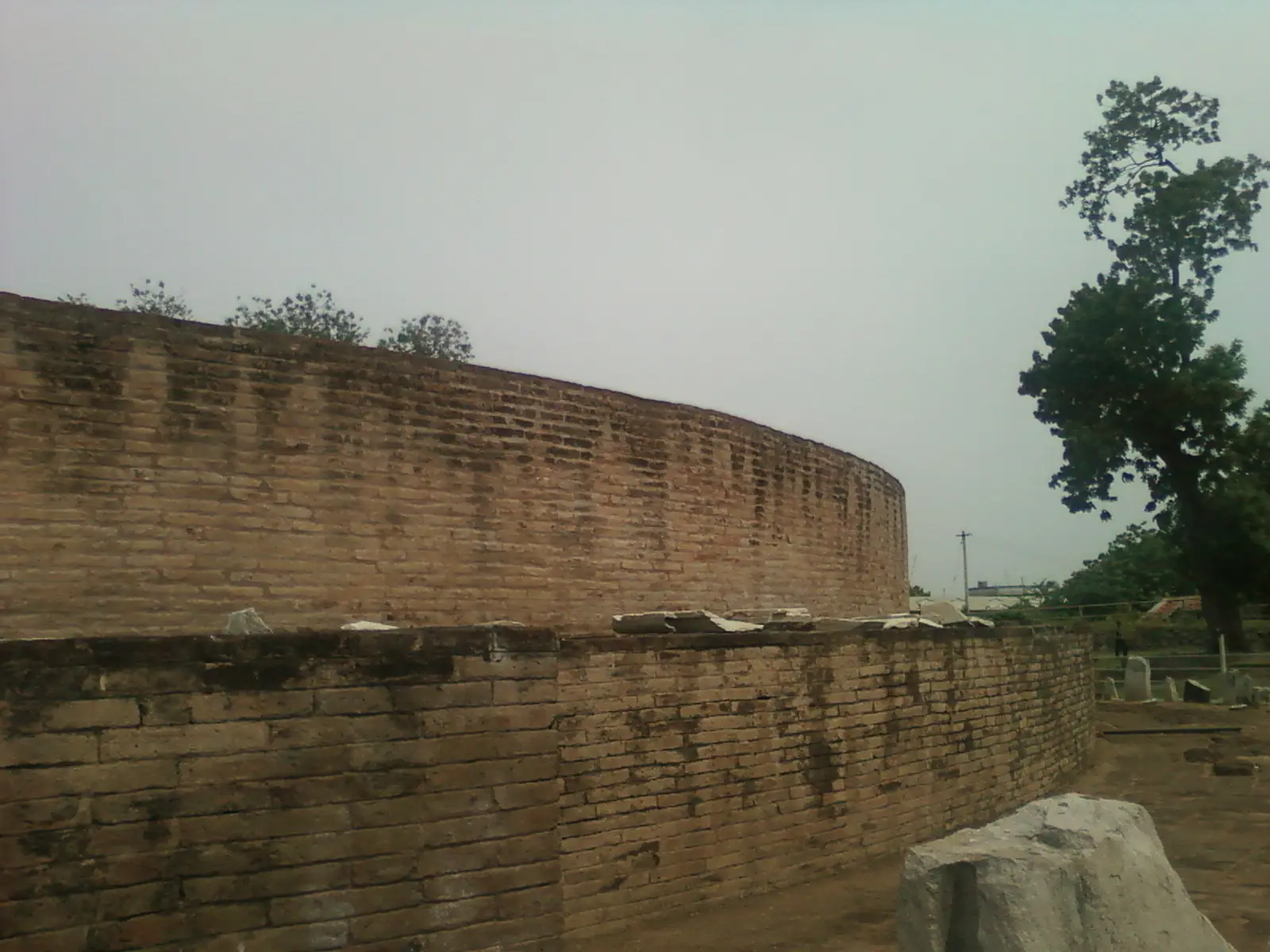
Inscriptions on the stupa call it the Mahachaitya of Dhanyakataka. A fragment of a Mauryan pillar inscription found here shows the site was honoured by the 3rd century BCE. Under the Satavahanas, and especially in the 2nd century CE under Vasishthiputra Pulumavi and his successors, the stupa was cased in pale green-white limestone carved with the life of the Buddha, crowds, palaces, elephants and river scenes, the style now called the Amaravati school. Its craftsmen and their style travelled with traders to Lanka and Southeast Asia. For Buddhists this is sacred ground; for every Indian it is one of the high points of the sculptor’s art.
02Quarried, then carried away
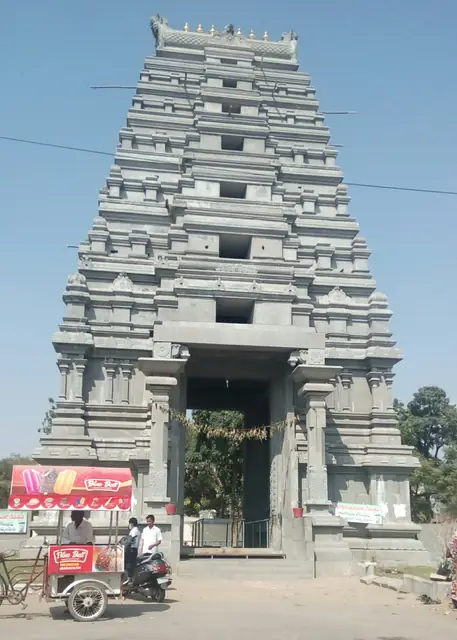
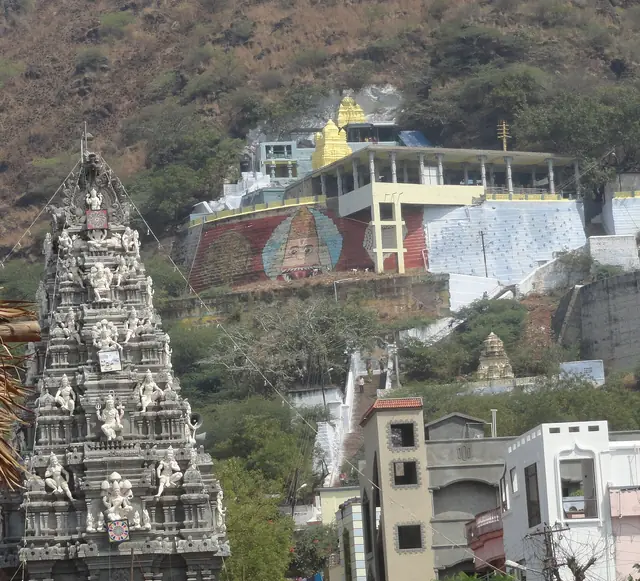
By the late 18th century the mound was being dug for building stone. Colin Mackenzie saw it in 1797 and surveyed it in 1816. Walter Elliot dug again in 1845, and his finds went to Madras and in 1859 to London, where they are now in the British Museum; other slabs are in the Government Museum, Chennai, and the site museum at Amaravati. Next to the stupa site stands the Amareswara temple. By the Pancharama katha, when Kartikeya broke the linga worn by the asura Tarakasura, its pieces fell at five places in Andhra, and Amaravati is one of them.
The life of this place
- c. 3rd century BCEA Mauryan-period pillar inscription marks the site.
- 2nd century CEThe stupa is cased in carved limestone under the Satavahanas.
- 1797Colin Mackenzie finds the mound being dug for stone.
- 1859Elliot’s sculptures are shipped to London.
The ASI site museum stands beside the stupa mound at Amaravati village, about 35 km from Vijayawada; the Amareswara temple is a short walk away.