Cite
MLA
“Kerala Murals.” Hindu History, 2026, https://www.hinduhistory.in/kala/kerala-murals/. Accessed .
APA
Hindu History. (2026). Kerala Murals. Retrieved , from https://www.hinduhistory.in/kala/kerala-murals/
What defines it
- 01
Panchavarna, five natural colours
- 02
Colour by guna: green, red, white or black
- 03
Crowded, ornamented compositions
- 04
Rules of the Shilparatna
01From Thirunandikkara to Mattancherry
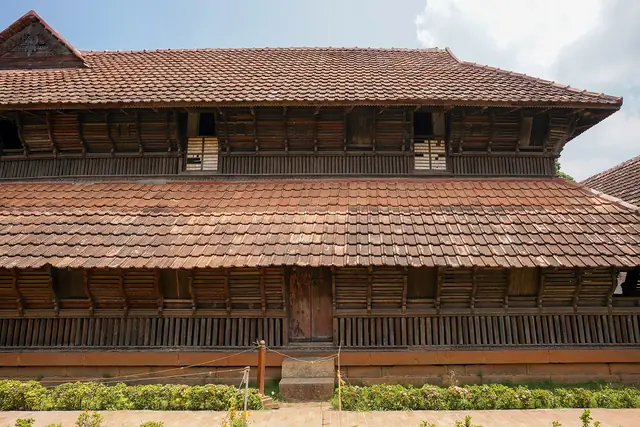
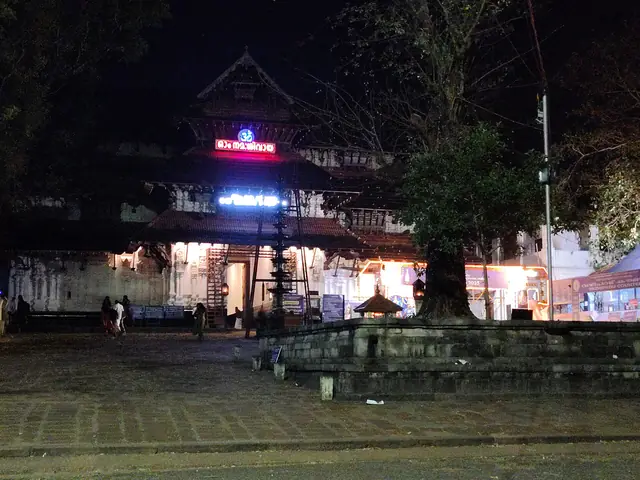
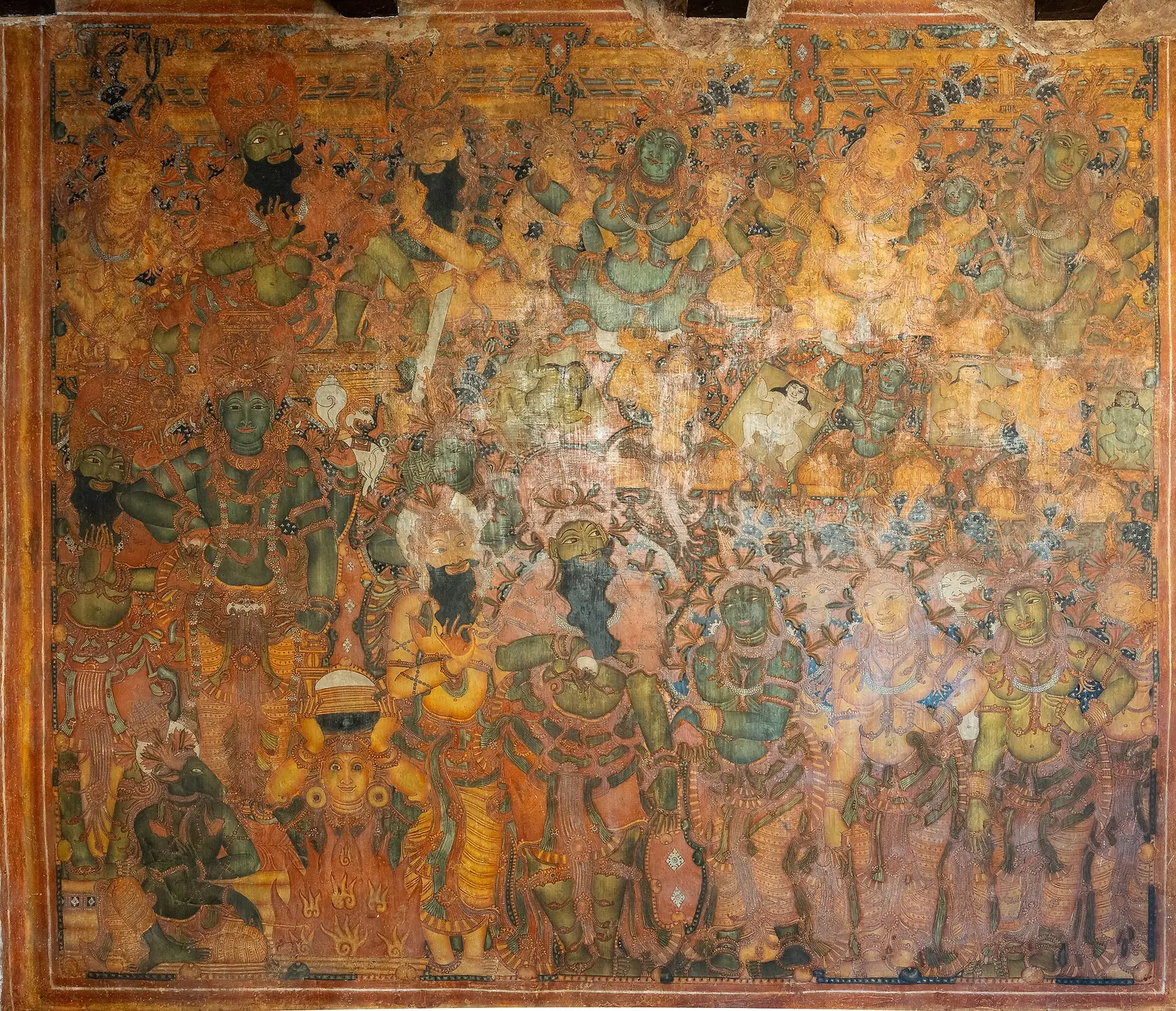
The oldest fragments are in the rock-cut cave temple of Thirunandikkara, now in Kanyakumari district, thought to be of the 9th century. The great age ran from the 15th to the 18th century. The Mattancherry Palace at Kochi has Ramayana murals covering whole rooms. The Ettumanoor Mahadeva temple has a famous painting of Shiva Nataraja. The Padmanabhapuram Palace of the Travancore kings and the Vadakkunnathan temple at Thrissur hold more. The Shilparatna of Srikumara, a 16th-century Kerala text, gives the rules.
02Panchavarna
The painters used five colours, the panchavarna: red ochre, yellow ochre, green, black and white, all from minerals and plants, with blue rarely. The wall was plastered with lime and sand, and the painting done on the dry surface. Sattvic figures, the Devatas, are painted green; rajasic figures, kings, in red and gold; and tamasic figures, asuras, in white or black. Figures crowd the frame, heavily ornamented, with large eyes and bodies bending with the dance.
03Revival
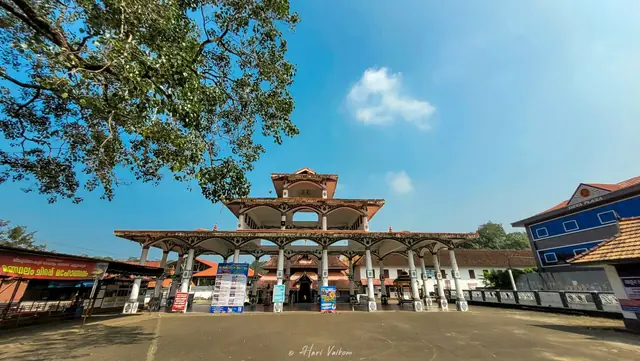
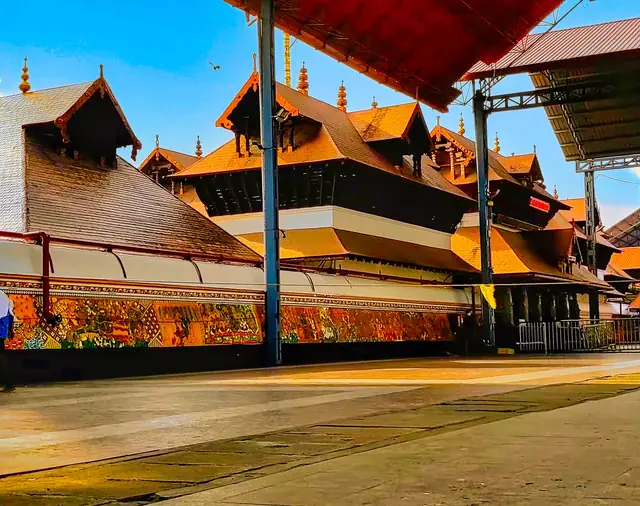
Guruvayur Devaswom founded an institute of mural painting at Guruvayur in 1989, where Mammiyur Krishnankutty Nair taught, after a fire in 1970 destroyed some of the temple’s murals and they had to be repainted. New murals now go up in temples across Kerala. To see the old work, visit Mattancherry Palace in Kochi, Padmanabhapuram Palace near Thuckalay, and the temples of Ettumanoor and Vadakkunnathan.